
Types of Events
What Are Events and Why Is It Important to Know Their Types?
We live in a world where events are a regular part of life — from small birthday dinners to major international conferences. For anyone working or planning to work in the event planning industry, it's essential to understand the different types of events and how to organize each effectively.
Knowing the categories of events helps you:
Define the right target audience
Choose the right venue
Communicate effectively
Ensure a successful experience
In this guide, you will discover the main types of events, their goals and characteristics, and how to plan them successfully.
PUB
PUB
Types of Events
1 - What Are the Main Types of Events?




There are many ways to classify the types of events, but the most common method is based on purpose and context. Here are the main categories:
1. Social Events
These events are personal, family-based, or festive in nature. Their main goal is celebration and bringing people together.
Examples:
Weddings
Birthdays
Christenings
Private parties
Celebratory dinners
How to organize:
Focus on the emotional experience. Décor, catering, music, and personal touches are crucial. Venue selection should ensure comfort and an intimate atmosphere.
2. Corporate Events
These types of events are organized for professional or business-related purposes. They serve strategic, promotional, or educational goals.
Examples:
Product launches
Conferences and conventions
Team or board meetings
Networking events
Training sessions
How to organize:
Align the event's goals with the company's brand. Logistics, guest speakers, content, and technology should be well integrated. Successful corporate events strengthen brand identity and deliver measurable outcomes.
PUB
3. Cultural Events
Cultural events aim to promote and celebrate culture, arts, and heritage, either locally or globally.
Examples:
Music or film festivals
Art exhibitions
Book fairs
Cultural fairs or parades
Heritage days
How to organize:
Requires collaboration with cultural entities, a diverse audience plan, and strong sponsorship management. Programming and publicity are key to attracting audiences.
4. Sports Events
Sports events focus on competition, entertainment, and teamwork, involving athletes, fans, and sponsors.
Examples:
Local or international competitions
School tournaments
Charity runs
University games
Fitness events
How to organize:
Requires strong logistics, permits, and safety measures. Time management, ticketing, and audience engagement are critical. Sports events also have a large economic and media impact.
PUB
5. Academic and Scientific Events
These events are focused on knowledge sharing and intellectual exchange.
Examples:
Academic conferences
Symposiums
Seminars
Thesis presentations
University workshops
How to organize:
Detailed planning, speaker selection, and tech logistics (projectors, livestreams) are essential. Content quality and credibility are highly valued.
6. Hybrid and Online Events
With technology advancing, digital and hybrid events (part online, part in-person) have grown in popularity.
Examples:
Webinars
Digital product launches
Interactive livestreams
Virtual conferencess
How to organize:
Invest in a reliable platform, high-quality audio and video, and engaging formats. These events allow global reach at lower cost.
PUB
Types of Events
2 - How to Choose the Right Type of Event for Your Goal

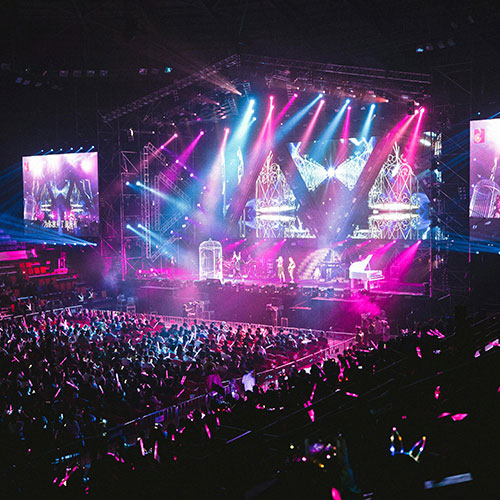

Before planning any event, ask yourself:
What is the goal?
Who is the audience?
What is the available budget?
Will it be online, in-person, or hybrid?
What resources are available?
Once you define these, choose the type of event that matches and start a structured production plan.
PUB
Types of Events
3 - Pro Tips for Organizing Any Type of Event Successfully

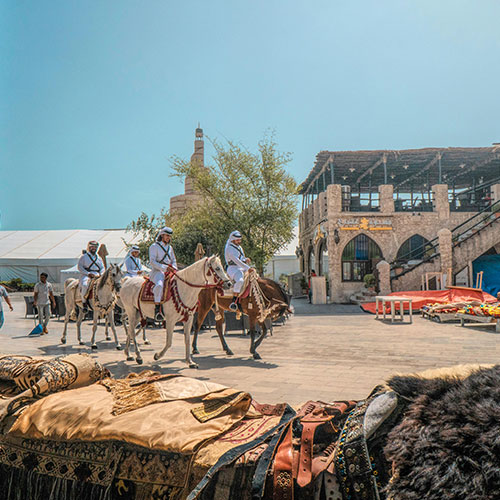
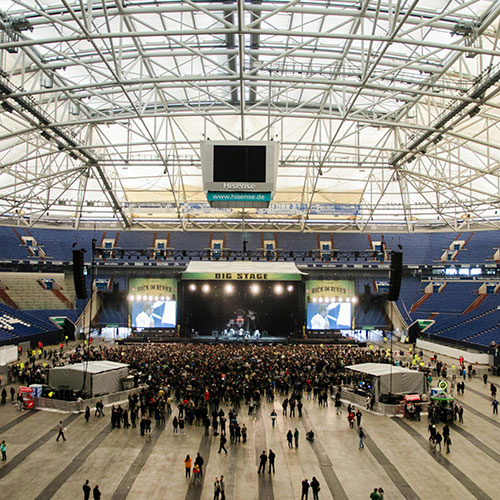

Plan well in advance – Start planning at least 3 to 6 months ahead.
Set a realistic budget – Include all costs, contingencies, and margin (if applicable).
Work with trusted suppliers – Catering, sound, lighting, and security are key.
Invest in marketing – A strong visual identity and promotional campaign increase attendance.
Measure results – After the event, collect feedback and analyze data to improve.
PUB
Types of Events
4 - Conclusion: Knowing the Types of Events Helps You Stand Out in the Industry

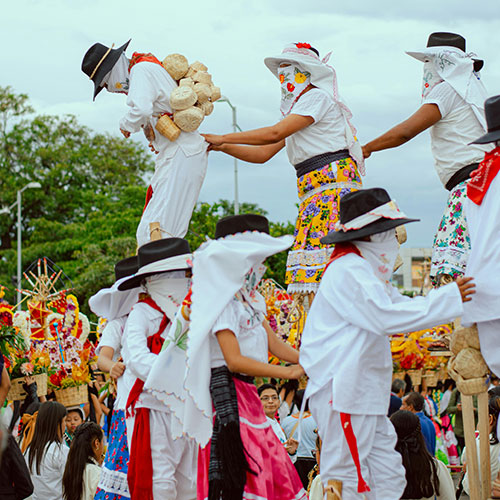

Mastering the types of events and understanding their specificities is essential for anyone who wants to create memorable and effective experiences.
Each category comes with its own challenges, audience, and planning needs. By applying the right strategy for each type of event, you increase success and stand out from the competition
From intimate weddings to global conferences or cultural festivals, the key lies in planning, creativity, and deep knowledge of the different types of events.
PUB
PUB
PUB