
Software Development Trends
Software Development Trends for 2025
The world of software development is constantly evolving. With technological advances, new methodologies, languages, and tools are transforming the way development teams create digital solutions. Staying informed about software development trends is essential for both developers and companies aiming to stay competitive in 2025 and beyond.
In this article, you’ll learn about the key trends shaping the sector, with practical examples, statistics, and forecasts for the future.
PUB
- 1 - Artificial Intelligence and Machine Learning Integrated into Development
- 2 - Growth of Low-Code and No-Code Platforms
- 3 - DevOps and Continuous Automation
- 4 - Security from the Start (Shift Left Security)
- 5 - Cloud-Native Development
- 6 - Asynchronous Programming and Modern Languages
- 7 - WebAssembly and Advanced Web Applications
- 8 - Sustainable and Eco-Friendly Development
- 9 - Chart: Most Used Programming Languages in 2025 (Forecast)
- 10 - Conclusion: Preparing for the Future of Software Development
PUB



Software Development Trends
1 - Artificial Intelligence and Machine Learning Integrated into Development
The integration of AI and Machine Learning in the software development cycle is not new, but in 2025 it takes on a new dimension with tools like:
GitHub Copilot (code assistance)
Amazon CodeWhisperer
Tabnine
These tools help developers write code faster, predict errors, and even suggest complete solutions.
Real-world example: Companies like Microsoft already use AI to automatically test and document large codebases.
Impact: Up to 30% reduction in development time.
PUB


Software Development Trends
2 - Growth of Low-Code and No-Code Platforms
More and more companies are adopting platforms that allow applications to be created with little or no traditional coding, such as:
OutSystems (Portuguese)
Mendix
Bubbleo
Advantages:
Faster development
Lower cost
Smaller technical teams
Trend: By 2027, it’s estimated that over 70% of new business applications will be created using low-code solutions (source: Gartner).
PUB


Software Development Trends
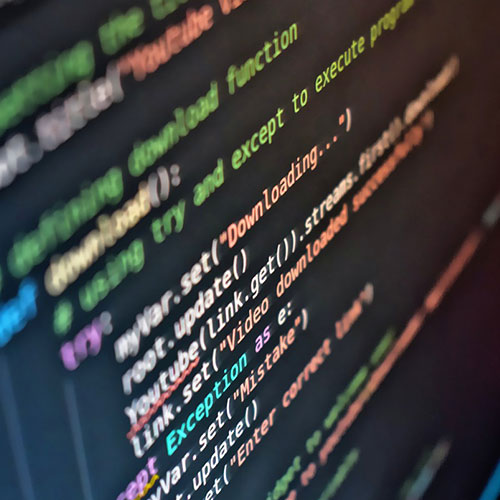
3 - DevOps and Continuous Automation
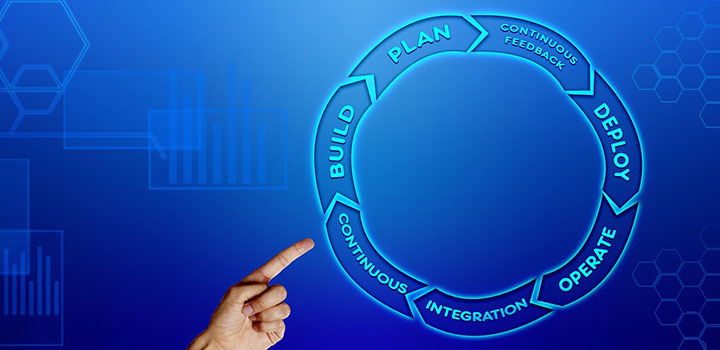
DevOps remains one of the top software development trends, focusing on the integration between development and operations.
Popular tools:
Jenkins
Docker
Kubernetes
GitLab CI/CD
Goal: Automate testing, deployments, and monitoring to reduce errors and accelerate releases.
Example: Netflix performs thousands of deployments per day using automated pipelines.
PUB

Software Development Trends
4 - Security from the Start (Shift Left Security)
With the increase in digital attacks, cybersecurity has become part of development from the first line of code.
Concept: "Shift Left Security"
Implement security testing early in development
Use tools like Snyk, SonarQube, or OWASP ZAP
Trend: Developers with security skills are among the most in-demand in 2025.
PUB

Software Development Trends
5 - Cloud-Native Development
Creating applications directly for the cloud continues to grow with the use of:
Microservices
Containers (Docker)
Orquestração (Kubernetes)
Serverless (AWS Lambda, Google Cloud Functions)
Example: Spotify, Amazon, and Uber are fully cloud-native.
Advantages:
Scalability
High availability
Fast and efficient deployments
PUB

Software Development Trends
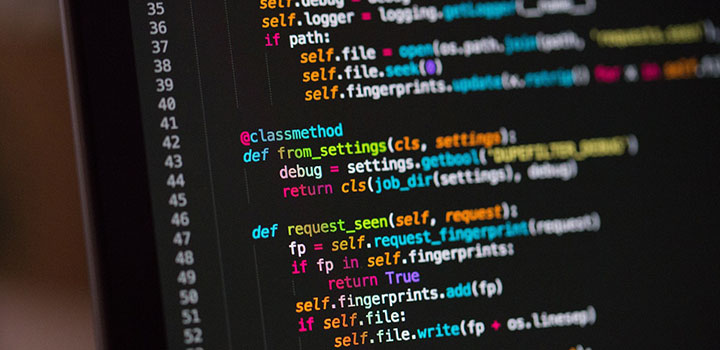
6 - Asynchronous Programming and Modern Languages
With the growth of real-time and large-scale applications, languages such as:
Rust (high performance and safety)
Go (Golang) (lightweight concurrency)
TypeScript (type safety in JS applications)
Are gaining traction.
Example: Discord migrated parts of its backend to Rust to improve performance.
PUB
Software Development Trends
7 - WebAssembly and Advanced Web Applications
WebAssembly (WASM) allows code from languages like C/C++ or Rust to run in the browser with near-native performance.
Impact:
Faster web applications
Complex graphics tools and games in the browser
Real-world example: AutoCAD Web is based on WebAssembly.
PUB
Software Development Trends
8 - Sustainable and Eco-Friendly Development
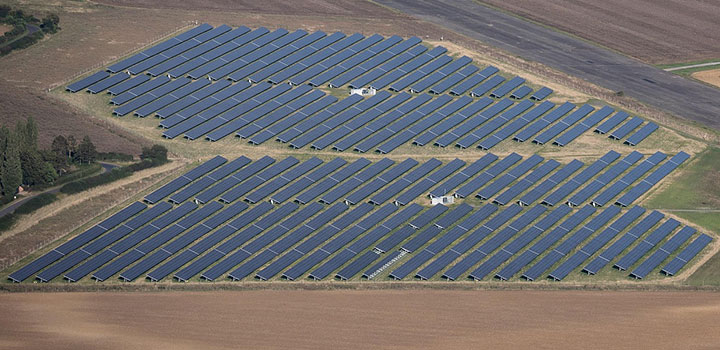
The concern for sustainability has reached software development.
Trend: Develop more energy-efficient software optimized to consume less CPU and system resources.
Example: Ecocoding and tools for measuring energy impact (like Green Software Foundation).
PUB
Software Development Trends
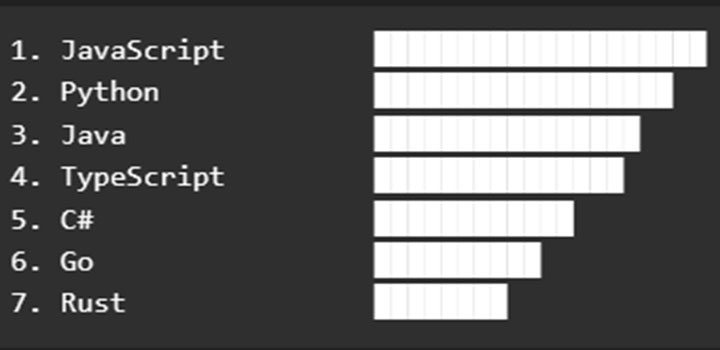
9 - Chart: Most Used Programming Languages in 2025 (Forecast)
PUB
Software Development Trends
10 - Conclusion: Preparing for the Future of Software Development
Keeping up with software development trends is a competitive advantage. Whether it's learning new languages, adopting DevOps, or integrating AI into your workflow, the key is to remain flexible and open to innovation.
As technology evolves, professionals and companies that adapt quickly will stand out in the market. Now is the ideal time to invest in knowledge, tools, and modern practices.
PUB
PUB
PUB