Best Cruises in Europe
The Complete Guide to Choosing Your Perfect Itinerary
Europe remains, year after year, one of the top destinations for anyone looking for the best cruises in the world. Between historic cities, dream islands, spectacular fjords, and ports just steps from the heart of major capitals, a cruise around Europe lets you experience several countries in a single trip, without ever unpacking your suitcase.
In this guide, we've put together the best cruises in Europe, with practical information on main ports, average prices, and the best time to travel for each itinerary — from the classic Mediterranean to the Greek Islands, from the Norwegian Fjords to the Douro River, not forgetting cruises that depart directly from Lisbon.
Whether this is your first time on board or you're already a seasoned cruise lover, this is the ideal starting point for planning the right trip.
AD
- 1 – Why Choose a Cruise Around Europe
- 2 – Western Mediterranean
- 3 – Greek Islands and Eastern Mediterranean
- 4 – Norwegian Fjords
- 5 – Baltic Sea
- 6 – Canary Islands
- 7 – Douro River Cruise
- 8 – Cruises Departing from Lisbon
- 9 – Luxury Cruises in Europe
- 10 – Best Cruise Lines for Europe
- 11 – Best Time to Take a Cruise in Europe
- 12 – How Much Does a Cruise in Europe Cost
- 13 – Frequently Asked Questions
AD
Best Cruises in Europe
1 – Why Choose a Cruise Around Europe
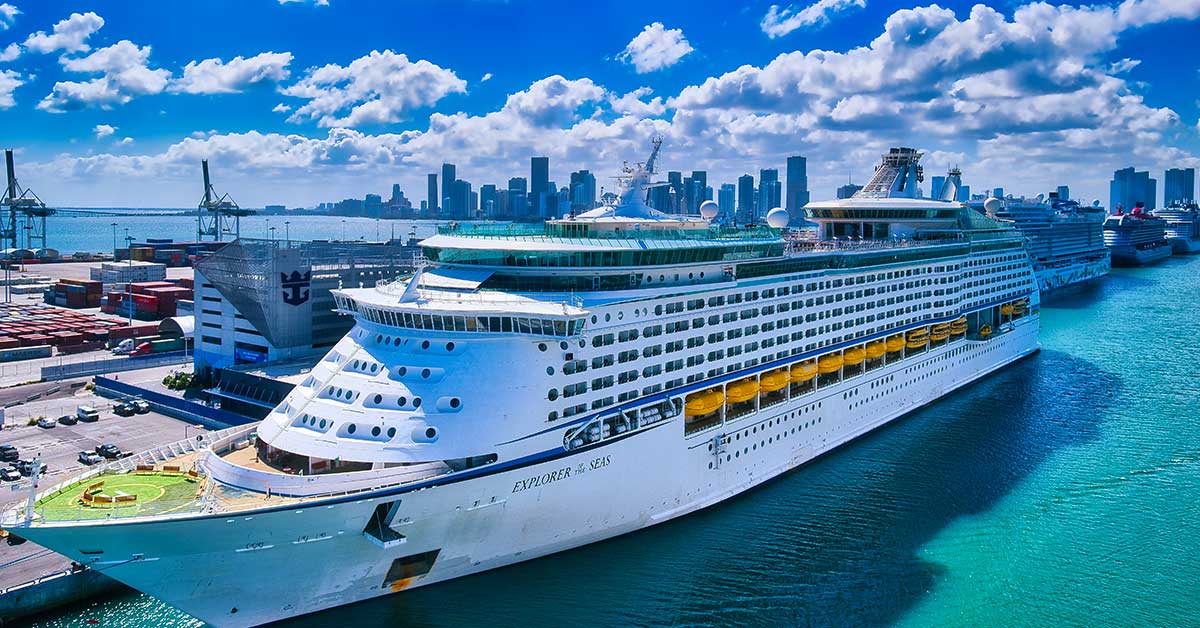
A cruise around Europe solves, in one go, two of the biggest challenges of any trip: choosing a destination and figuring out logistics. Instead of deciding between Barcelona, Rome, or the Greek Islands, a single itinerary can include all of these destinations, with the ship acting as hotel, restaurant, and transportation all at once.
In 2026, the offering is particularly vast: at least 11 cruise lines operate more than 800 different itineraries around Europe, with departures between April and November. There are options for every type of traveler — from mega-ships packed with hundreds of onboard activities to small luxury ships with fewer than 300 passengers, including river cruises in inland Portugal.
AD
Best Cruises in Europe
2 – Western Mediterranean
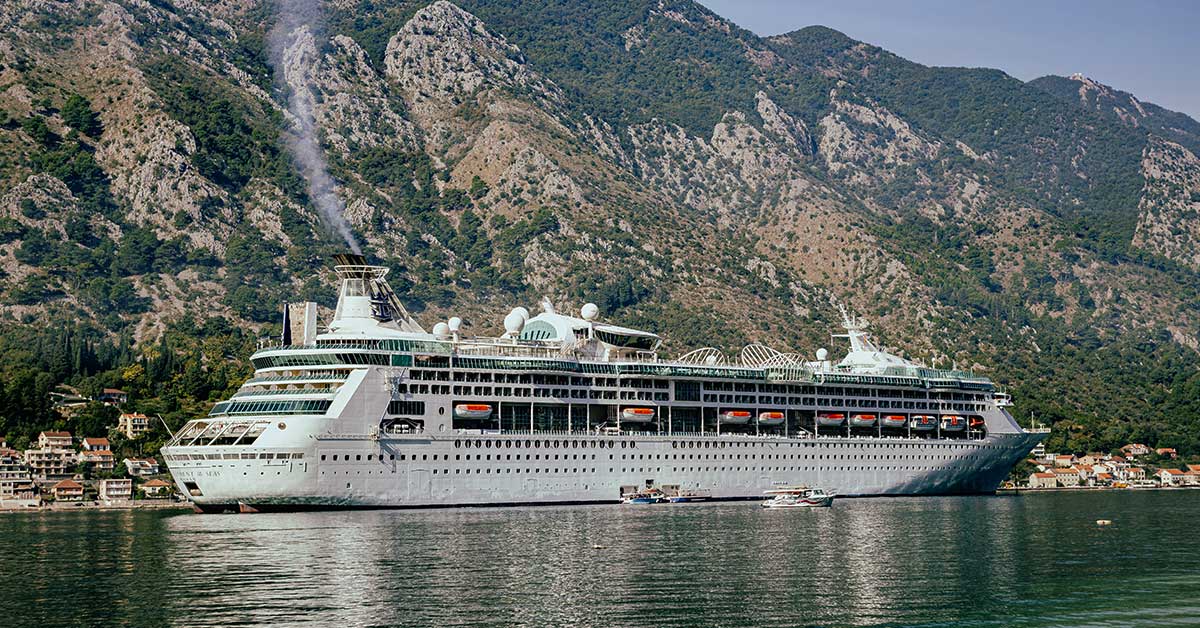
The Western Mediterranean is the most popular itinerary for first-time cruisers in Europe. A week on board lets you experience Barcelona, Marseille, Genoa, Naples, and the Amalfi Coast, or continue on to Rome via Civitavecchia, combining beaches, cuisine, and UNESCO-listed heritage sites.
It's also the region with the widest choice of ships and dates, which usually translates into more competitive prices than other European itineraries.
Main ports:
Barcelona, Marseille, Genoa, Naples, Civitavecchia (Rome), Palma de Mallorca.
Average price:
From around €700 to €1,000 per person for a week in an interior cabin.
Best time to visit:
May, June, and September, with temperatures between 72°F and 82°F (22°C-28°C) and smaller crowds than in July and August.
AD
Best Cruises in Europe
3 – Greek Islands and Eastern Mediterranean
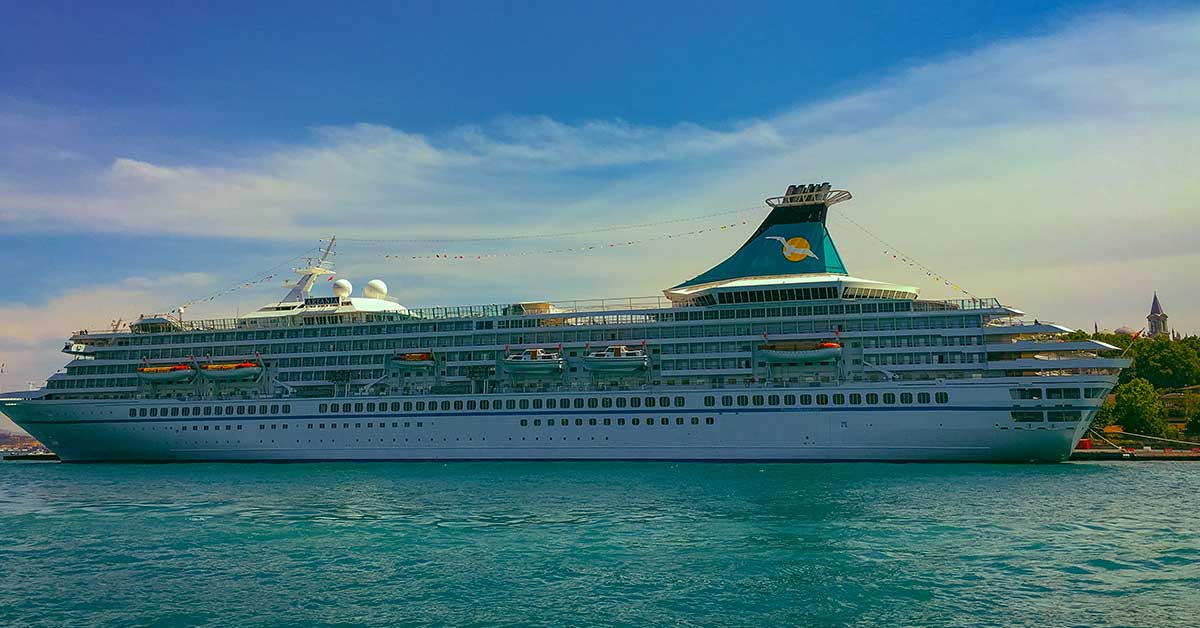
A cruise around the Greek Islands is, for many travelers, the definition of a dream vacation: whitewashed houses set against the deep blue of the sea in Santorini, the lively energy of Mykonos, and the history of Athens. The most complete itineraries also include Dubrovnik in Croatia, Kotor in Montenegro, and sometimes Istanbul in Turkey.
One example: an 11-day itinerary departing from Rome calls at Messina, Olympia, Corfu, Dubrovnik, Split, and Bar before returning to Naples — a true journey through the history of the Eastern Mediterranean.
Main ports:
Athens (Piraeus), Santorini, Mykonos, Dubrovnik, Kotor, Istanbul.
Average price:
From around €850 per person for a week, exceeding €1,500 on longer itineraries or those with overnight stays in port.
Best time to visit:
May through October, with peak demand in July and August.
AD
Best Cruises in Europe
4 – Norwegian Fjords
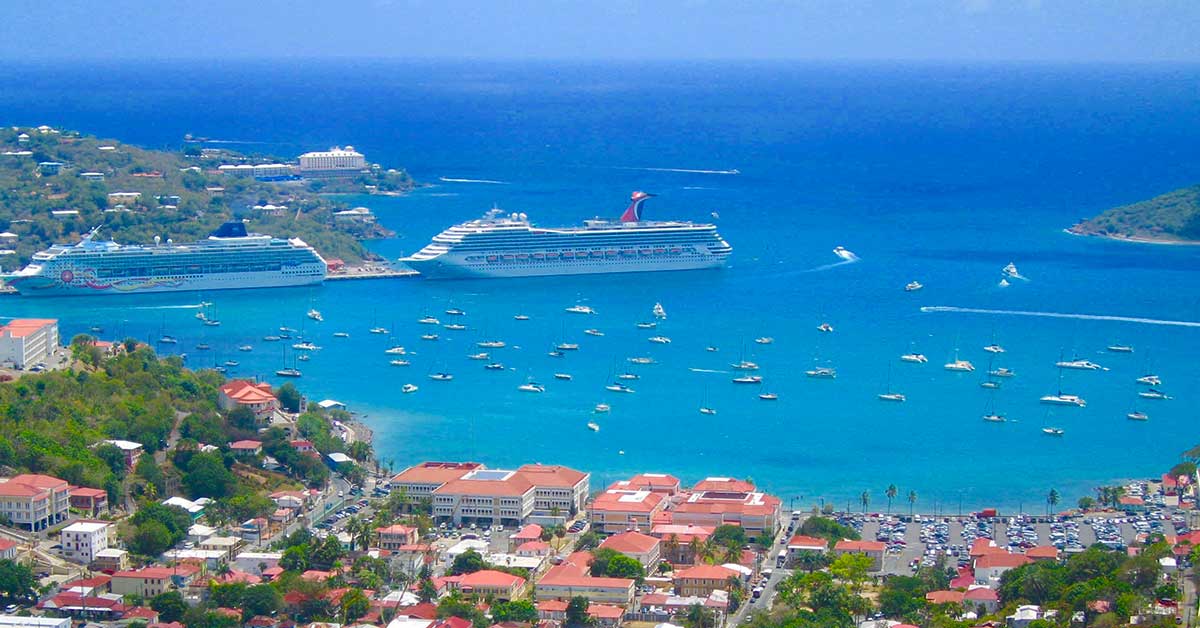
For those looking for scenery completely different from the Mediterranean, a cruise through the Norwegian Fjords is one of the most spectacular experiences Europe has to offer. Dramatic mountains, still waters, and small Scandinavian villages surrounded by nature come together in a truly unique setting.
A typical itinerary departs from Copenhagen and visits Hellesylt, Geiranger, Ålesund, and Flåm, returning via the German city of Kiel, on modern ships, some already running on liquefied natural gas for a smaller environmental footprint.
Main ports:
Copenhagen, Hellesylt, Geiranger, Ålesund, Flåm.
Average price:
From around €1,000 to €1,300 per person for a week.
Best time to visit:
June through August, when days are longer and the weather is milder.
AD
Best Cruises in Europe
5 – Baltic Sea
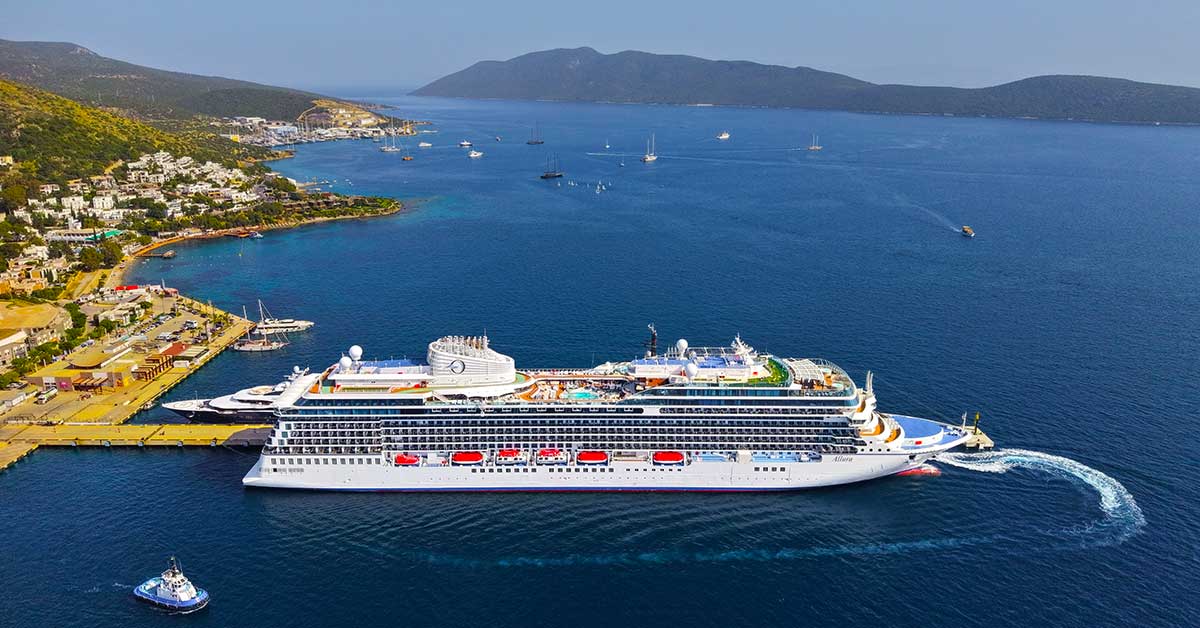
The Baltic Sea is an ideal itinerary for combining history, architecture, and elegant European capitals. A typical cruise connects Copenhagen, Stockholm, Helsinki, and sometimes Tallinn or St. Petersburg, letting you visit several Scandinavian and Baltic countries in a single trip.
Main ports:
Copenhagen, Stockholm, Helsinki, Tallinn.
Average price:
From around €900 to €1,200 per person for a week.
Best time to visit:
June through August.
AD
Best Cruises in Europe
6 – Canary Islands
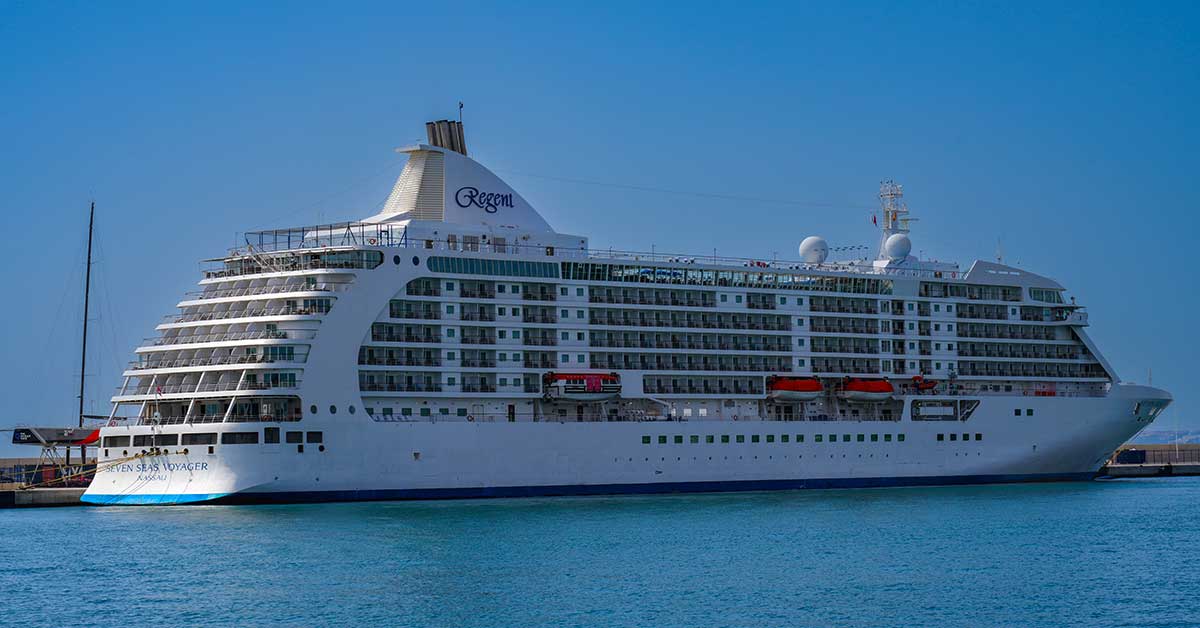
Thanks to their mild year-round climate, the Canary Islands are one of the most popular cruise itineraries outside of Europe's peak season, especially in fall and winter. Several cruises depart from Funchal, in Madeira, or from Lisbon, visiting Tenerife, Gran Canaria, Lanzarote, and Fuerteventura.
Main ports:
Funchal, Santa Cruz de Tenerife, Las Palmas de Gran Canaria, Lanzarote, Fuerteventura.
Average price:
From around €700 to €900 per person for a week.
Best time to visit:
October through April, when the rest of Europe has already turned cold.
AD
Best Cruises in Europe
7 – Douro River Cruise
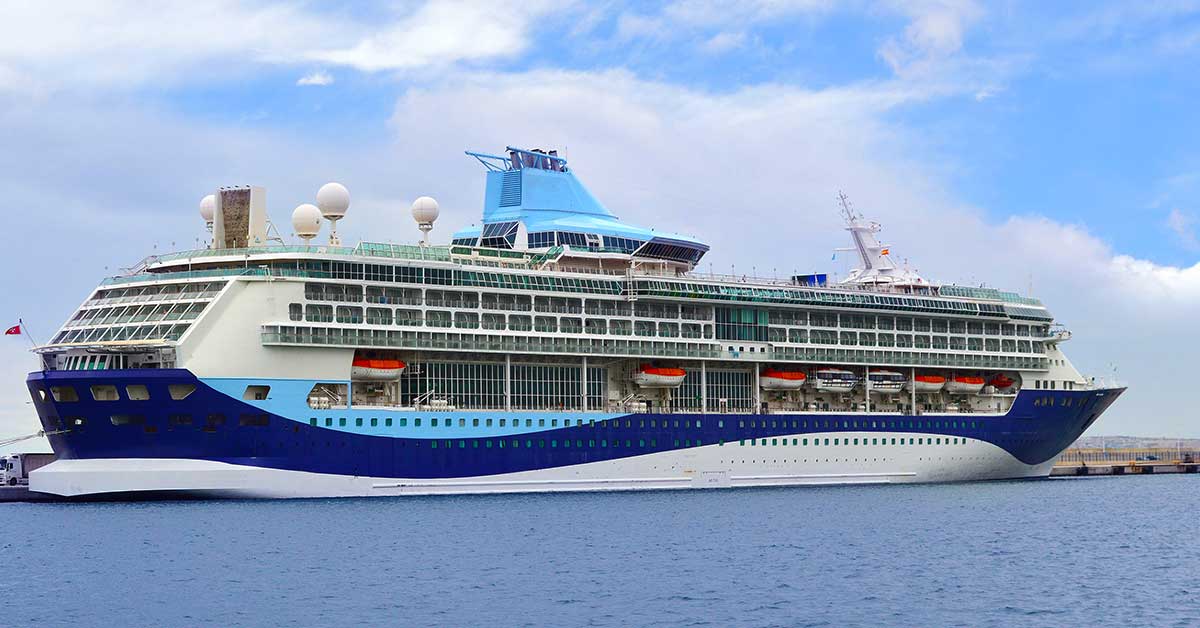
Not all the best cruises in Europe happen at sea. The Douro River, in northern Portugal, has become one of the most highly regarded river cruise destinations on the continent, with international lines such as CroisiEurope and AmaWaterways operating dedicated ships, like the AmaVida, alongside Portuguese vessels such as the Amália Rodrigues or the MS Miguel Torga.
The classic itinerary connects Porto to the Upper Douro, stopping in Peso da Régua, Pinhão, and Barca d'Alva, with visits to several wine estates, offering a close-up look at the Douro Valley, a UNESCO World Heritage region, and the chance to taste Port wine straight from the cellars where it's produced.
Main ports:
Porto, Peso da Régua, Pinhão, Barca d'Alva.
Average price:
Generally higher than an equivalent ocean cruise, given the smaller size of the ships, between 50 and 150 passengers, and the more exclusive nature of the experience.
Best time to visit:
April through October, with the grape harvest in September being a particular highlight.
AD
Best Cruises in Europe
8 – Cruises Departing from Lisbon
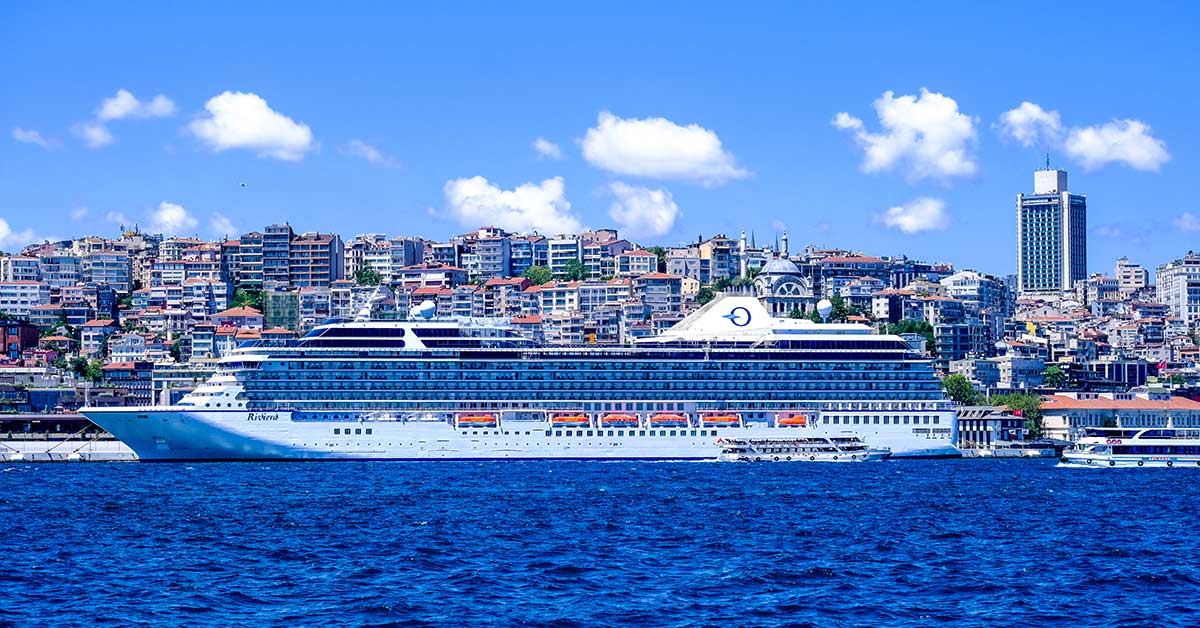
For those living in Portugal — or simply looking for an easy add-on to a Lisbon trip — one of the big draws is being able to board without a single flight. Lisbon's Cruise Terminal is about a 20-minute drive from the city center, right across from Santa Apolónia train station, with nearby metro and ferry connections and its own parking facilities.
In 2026, MSC Cruises operates 15 round-trip 10-night cruises from Lisbon between May and September aboard the MSC Opera, with a new stop in Portimão. Norwegian Cruise Line also offers 7-night Mediterranean itineraries departing from Lisbon aboard the Norwegian Dawn.
Main ports:
Lisbon, Barcelona, Cádiz, Gibraltar, Portimão, Canary Islands, depending on the itinerary.
Average price:
From around €900 per person for 10 nights, with an all-inclusive option available.
Best time to visit:
May through September for the Mediterranean; October through April for the Canary Islands.
AD
Best Cruises in Europe
9 – Luxury Cruises in Europe
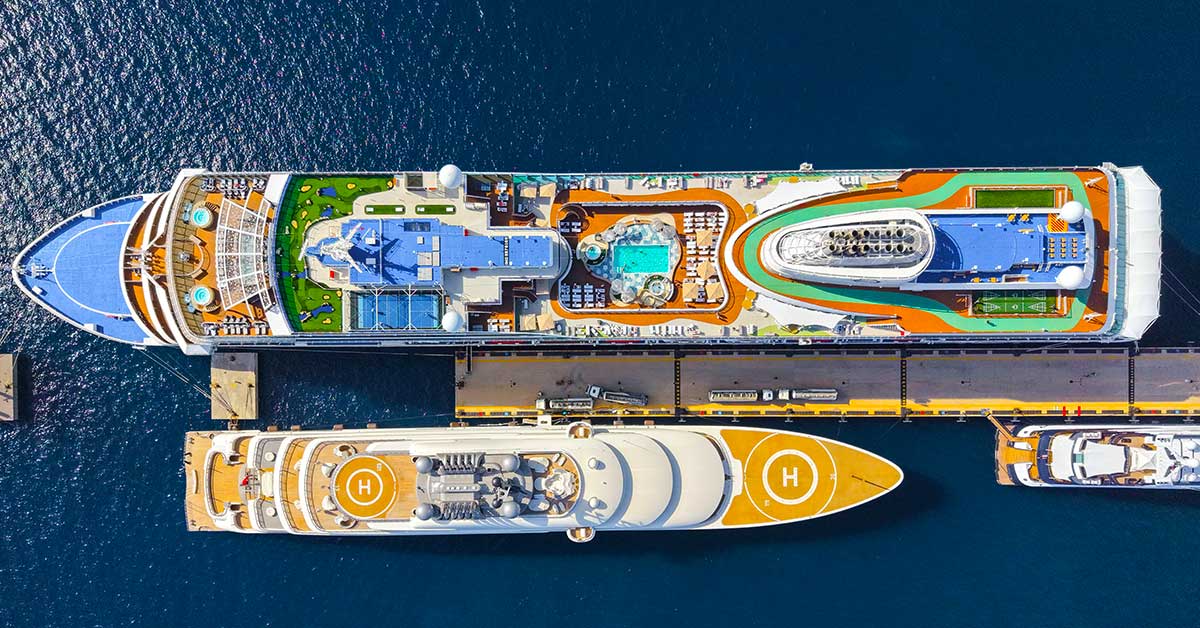
For those seeking a more exclusive experience, luxury cruises stand out for their smaller, more intimate ships, with a crew-to-guest ratio that's almost one-to-one, dining designed by renowned chefs, and access to less conventional ports, away from the crowds. Lines such as Regent Seven Seas, Silversea, and Ponant offer spacious suites, often with butler service included.
Main ports:
Vary by itinerary, with a preference for small, less touristy ports.
Average price:
Between €6,000 and €8,000 per person, all-inclusive.
Best time to visit:
May through September, depending on the itinerary.
AD
Best Cruises in Europe
10 – Best Cruise Lines for Europe
MSC Cruises:
The largest fleet in Europe, with 17 ships and more than 310 itineraries, including the MSC World Europa, the line's most modern ship, with 22 decks and LNG propulsion.
Costa Cruises:
A strong Italian tradition, with itineraries across the Western and Eastern Mediterranean and competitive prices.
Norwegian Cruise Line:
The "Freestyle Cruising" concept, with no fixed dining times or mandatory dress code, operating 8 ships in Europe in 2026.
Celebrity Cruises:
A more sophisticated experience, with itineraries across the Eastern and Western Mediterranean.
Regent Seven Seas, Silversea, and Ponant:
The luxury segment, with small, all-inclusive ships.
AD
Best Cruises in Europe
11 – Best Time to Take a Cruise in Europe
Peak season for European cruises runs from May to September, with demand highest in July and August. For those who'd rather avoid crowds and higher prices, May, June, and September offer equally pleasant temperatures, between 72°F and 82°F (22°C-28°C) in the Mediterranean, with fewer visitors at each port.
The Norwegian Fjords and the Baltic Sea have a shorter window, between June and August, due to the climate. The Canary Islands work the other way around: they're a fall and winter destination, exactly when the rest of Europe cools down.
AD
Best Cruises in Europe
12 – How Much Does a Cruise in Europe Cost
The average price of a one-week cruise around Europe is about €1,000 per person, in a double cabin with port fees included, starting as low as €700 to €900 in last-minute deals or off-season sailings. At the other end of the spectrum, all-inclusive luxury cruises can cost between €6,000 and €8,000 per person.
Cabin type has a significant impact on the final price: an interior cabin is the most affordable option, followed by an ocean-view exterior cabin, a balcony cabin, and finally suites, which often include butler service and access to exclusive onboard spaces.
AD
Best Cruises in Europe
13 – Frequently Asked Questions About Cruises in Europe
What is the best month for a cruise around Europe?
May, June, and September are generally the best months: the weather is pleasant, prices are more moderate than in peak summer, and the most popular ports see smaller crowds.
How much does a one-week cruise in Europe cost on average?
The average price is around €1,000 per person in a double cabin, with port fees included, ranging from about €700 in promotional deals to several thousand euros for luxury cruises.
Can you take a European cruise departing from Portugal?
Yes. Several lines, including MSC Cruises and Norwegian Cruise Line, offer round-trip cruises from Lisbon, in addition to river cruises along the Douro, which depart from Porto.
What is the difference between a river cruise and an ocean cruise?
River cruises, like those on the Douro, use much smaller ships, with fewer than 200 passengers, always sail close to the riverbanks, and offer a more intimate, culturally focused experience, generally at a higher price per day than an equivalent ocean cruise.
AD
Best Cruises in Europe
Conclusion
From the grandeur of Mediterranean mega-ships to the intimacy of a small boat sailing the Douro, Europe offers cruise options for every taste, budget, and travel style. The right choice mostly comes down to the kind of experience you're after: cultural discovery, relaxation, fine dining, or natural scenery.
Save this guide as a starting point for planning your next cruise around Europe — and start thinking about which of these itineraries you want to check off your list this year.
AD