What to visit in Gerês
What to Visit in Gerês – Complete Guide
Peneda-Gerês National Park is Portugal's only national park, and it's no accident that UNESCO recognized it as a World Biosphere Reserve. Between waterfalls that turn into natural pools in summer, viewpoints that seem to touch the sky, and villages that modernity has almost forgotten, Gerês is one of the country's most complete nature destinations.
In this guide, we've gathered everything you need to know about what to visit in Gerês, from the most iconic, easy-to-reach spots to the more demanding trails for those seeking real adventure, with practical information on how to get there, difficulty level, and the best time to visit each location.
If you're planning your first visit, save this article — you'll need it to decide where to start.
AD
- 1 - How to Get There and When to Visit Peneda-Gerês National Park
- 2 - Cascata do Arado
- 3 - Poço Azul
- 4 - Cascata do Tahiti
- 5 - Cascata da Rajada
- 6 - Miradouro da Pedra Bela
- 7 - Miradouro da Junceda
- 8 - Miradouro da Boneca
- 9 - Miradouro da Fraga Negra
- 10 - Miradouro da Ermida
- 11 - Penedo da Freira
- 12 - Vilarinho das Furnas Dam and Submerged Village
- 13 - Santuário de São Bento da Porta Aberta
- 14 - Mata da Albergaria and the Roman Road
- 15 - Vila do Gerês
- 16 - Termas do Gerês
- 17 - Portela do Homem
- 18 - Village of Ermida
- 19 - Fenda da Calcedónia
- 20 - Rota de Xertelo and the Seven Lagoons of Cabril
- 21 - Best Trails in Gerês (Practical Summary)
- 22 - Where to Eat: Typical Gerês Cuisine
- 23 - One-Day Itinerary in Gerês
- 24 - Best Time to Visit
- 25 - Practical Tips Before You Go
- 26 - Frequently Asked Questions
AD
what to visit in gerês
1 - How to Get There and When to Visit Peneda-Gerês National Park
Peneda-Gerês National Park sits in the Minho and Trás-os-Montes region, in northern Portugal, and the most common gateway is Vila do Gerês, also known as Caldas do Gerês, about 45 minutes from Braga and just over an hour from Porto, always by car. From Lisbon, the trip takes around 4 hours via the A1 and A3 motorways.
The park spans four municipalities — Terras de Bouro, Montalegre, Ponte da Barca, and Melgaço — and covers more than 700 square kilometers, making it practically impossible to see everything in a single visit. Spring and early summer are the most popular seasons, with full waterfalls and pleasant hiking temperatures; fall brings spectacular colors to the forests, and winter can bring snow to the highest points.
AD
what to visit in gerês
2 - Cascata do Arado
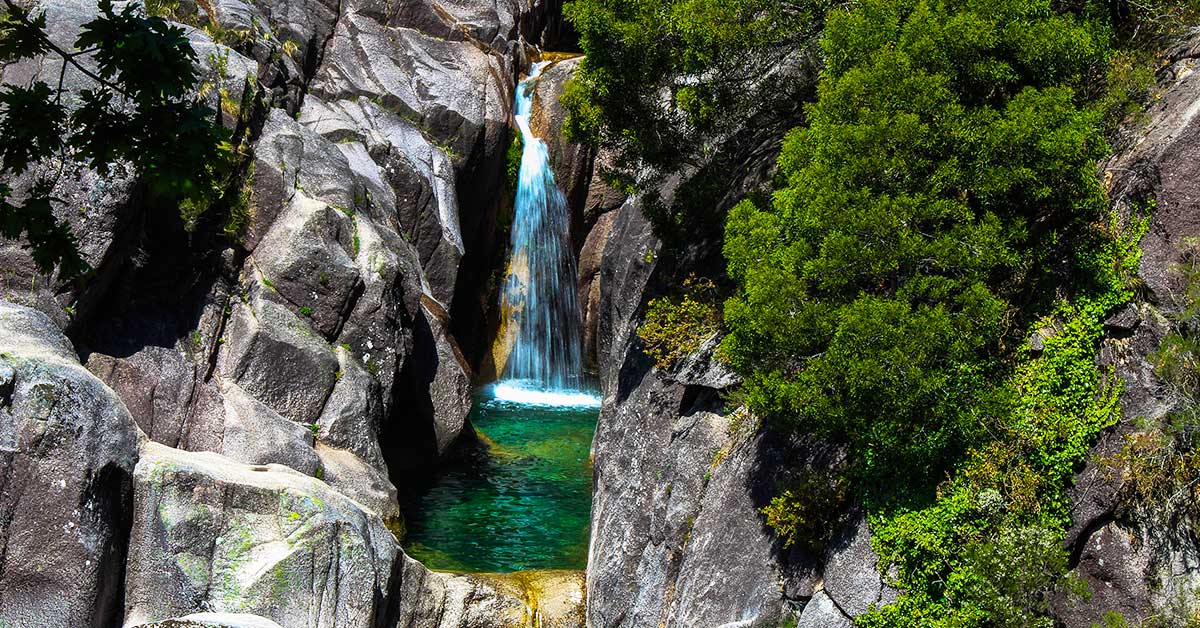
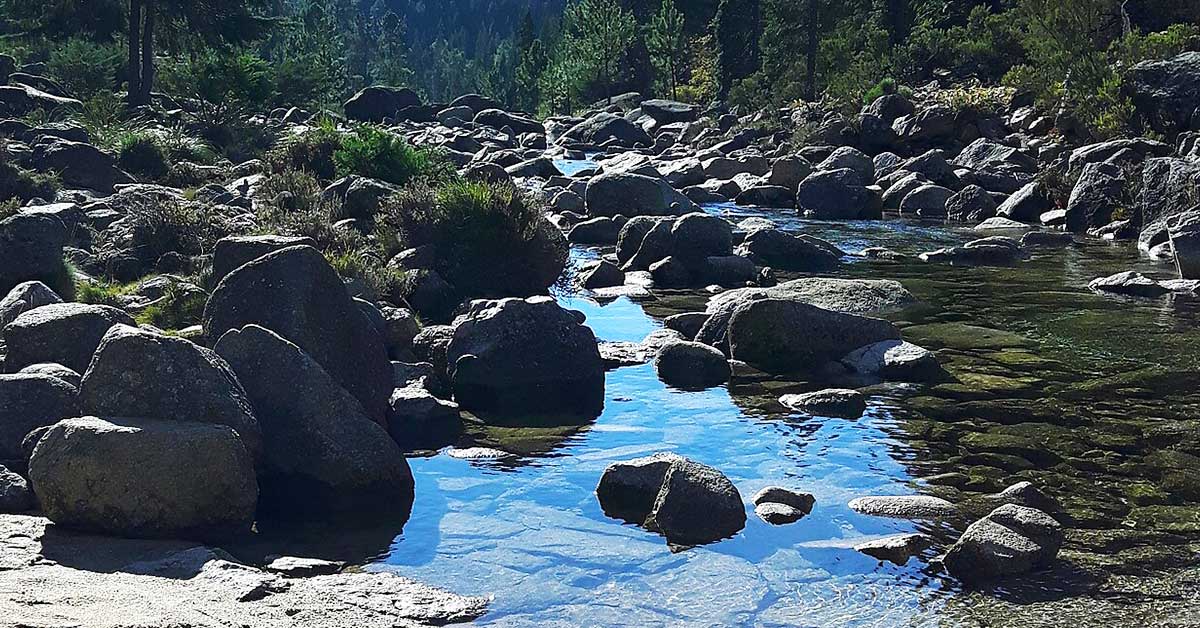
Cascata do Arado needs no introduction: it's the most photographed and most visited waterfall in all of Gerês, and for good reason. The waterfall is accessible by car up to Miradouro das Rocas, or via a dirt road that reaches close to the base, followed by a short climb up stone steps to admire it from above.
In summer, the natural pools formed by the Arado River, just above the waterfall, become one of the park's most sought-after spots to cool off. Those who prefer to hike can follow the combined Cascata do Arado – Poço Azul trail, 10.1 km long with 353 meters of elevation gain, linking the two most iconic spots in the mountains.
Location: Ermida parish, Terras de Bouro municipality.
How to get there: By car to Miradouro das Rocas, or hiking via the trail combined with Poço Azul.
Difficulty: Easy for the direct car access; moderate for the full trail to Poço Azul.
Tip: Go early in the morning in summer — it's the park's most visited spot and fills up quickly by mid-morning.
AD
what to visit in gerês
3 - Poço Azul
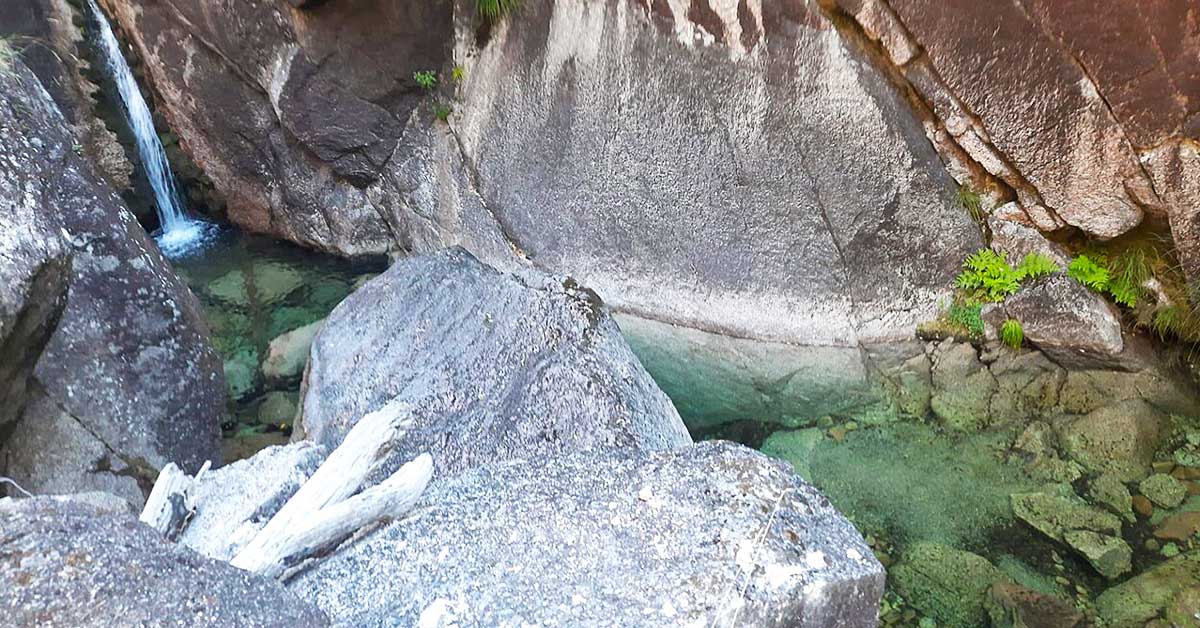
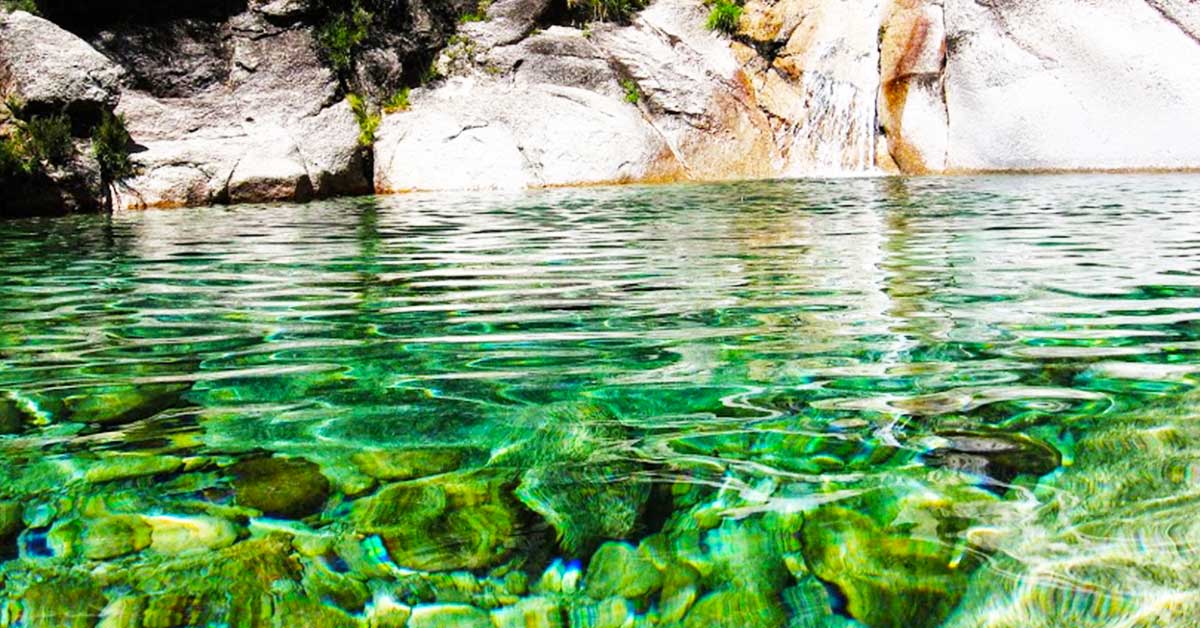
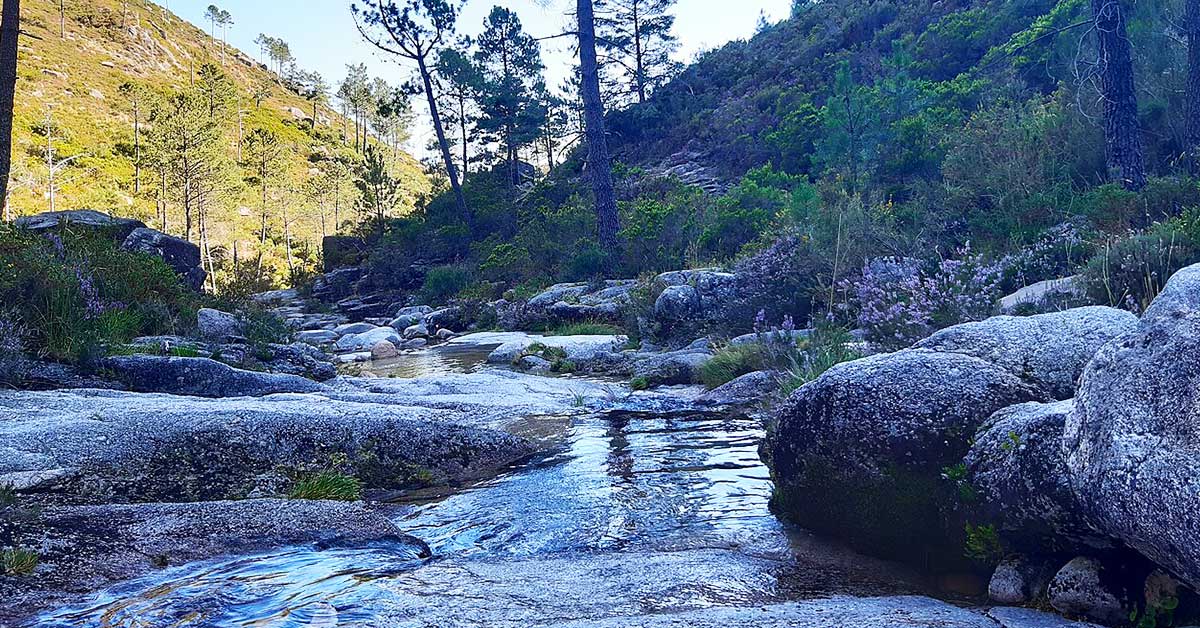
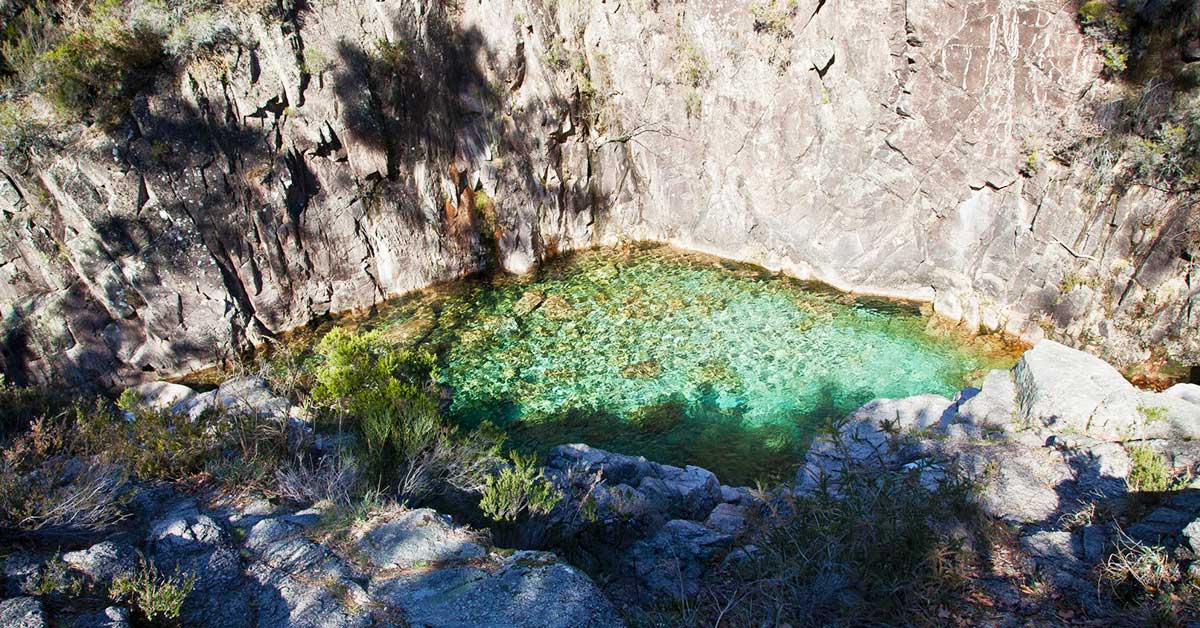
Poço Azul is another must-see stop in Gerês: a natural pool of crystal-clear water in an almost unreal turquoise blue, surrounded by granite rocks polished by the water over centuries. It's part of the same trail as Cascata do Arado, but can also be visited on its own.
For those who don't want to do the full route, you can park near Casa da Preguiça, climb up to the viewpoint of the same name, and then follow the trail in the opposite direction to the waterfall — about 500 meters, or a 1 km round trip.
Location: Ermida parish, Terras de Bouro municipality.
How to get there: On foot, via the trail combined with Cascata do Arado, or the shorter route from Casa da Preguiça.
Difficulty: Moderate.
Tip: The water is cold even in peak summer — but the dip is worth it for the color of the water alone.
AD
what to visit in gerês
4 - Cascata do Tahiti
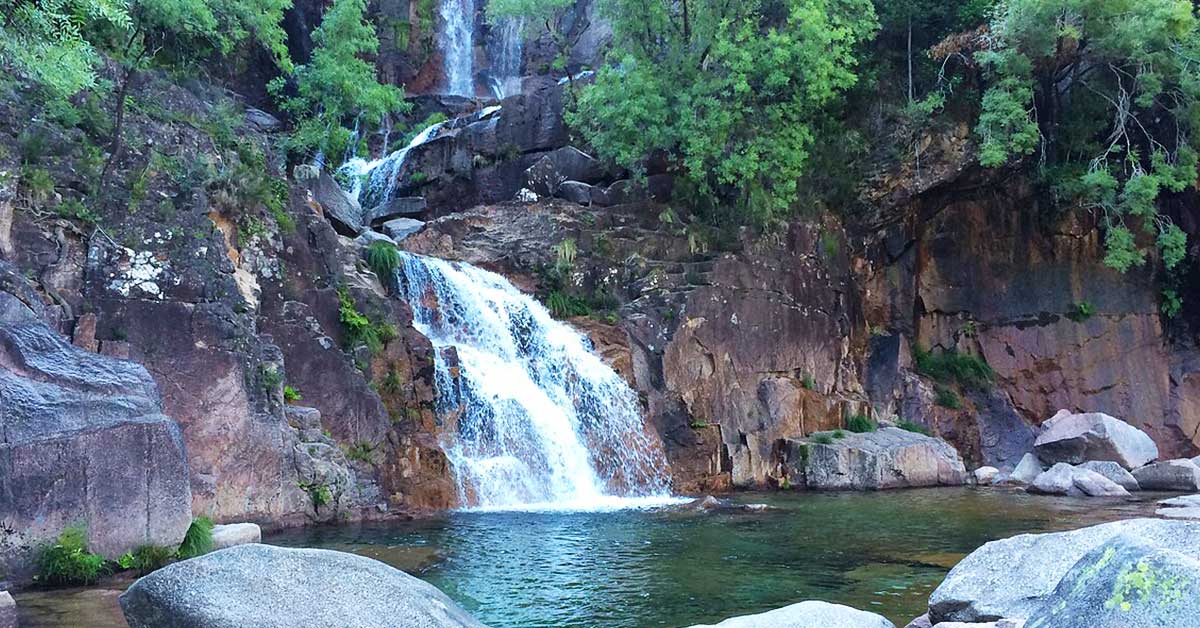
Also known as Cascata da Fecha de Barjas, Cascata do Tahiti owes its popular name to the tropical feel of its natural pool, despite being right in the middle of the Gerês mountains. It's a favorite among those seeking adventure and genuinely refreshing water, with jumps popular among the more daring visitors.
Location: Near the village of Ermida, Terras de Bouro municipality.
How to get there: Hiking trail from Ermida.
Difficulty: Moderate.
Tip: The rocks around the pool can be slippery — wear footwear with good grip.
AD
what to visit in gerês
5 - Cascata da Rajada
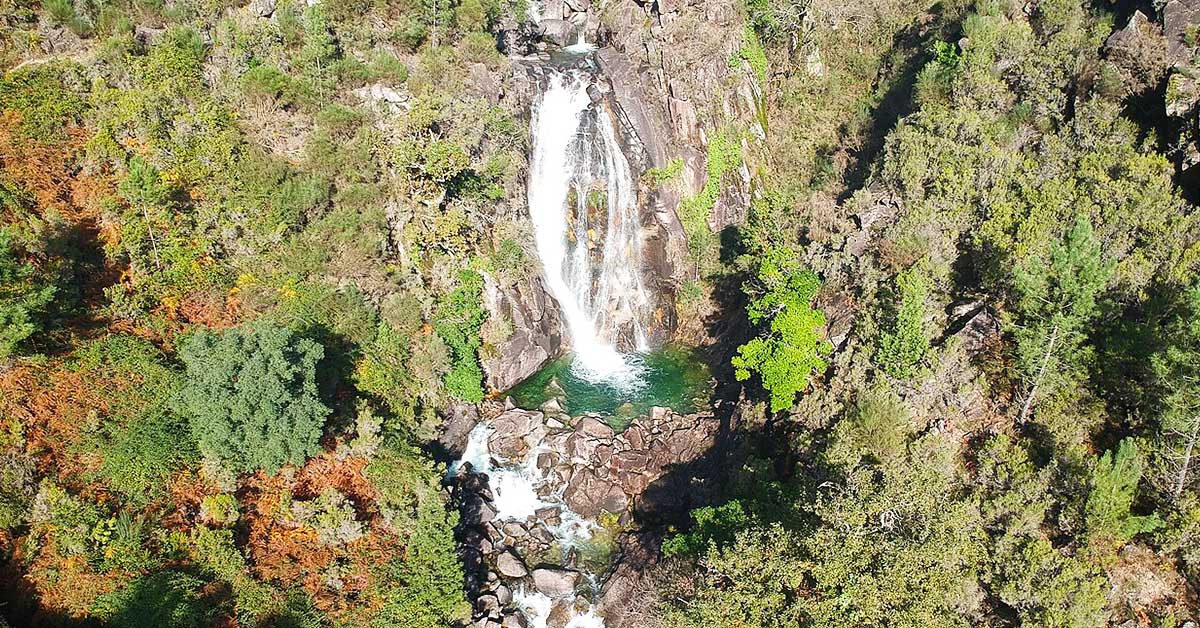
Hidden near the village of Ermida, Cascata da Rajada is one of the most surprising waterfalls in Gerês, and the only access is via a 2.5 km one-way hiking trail. Precisely because it requires a bit more effort than other, better-known waterfalls, it stays much less crowded, even in peak summer.
Location: Next to the village of Ermida, Terras de Bouro municipality.
How to get there: A 2.5 km hiking trail, on foot only.
Difficulty: Moderate, with no road access alternative.
Tip: Bring enough water — the trail has no facilities of any kind until you reach the waterfall.
AD
what to visit in gerês
6 - Miradouro da Pedra Bela
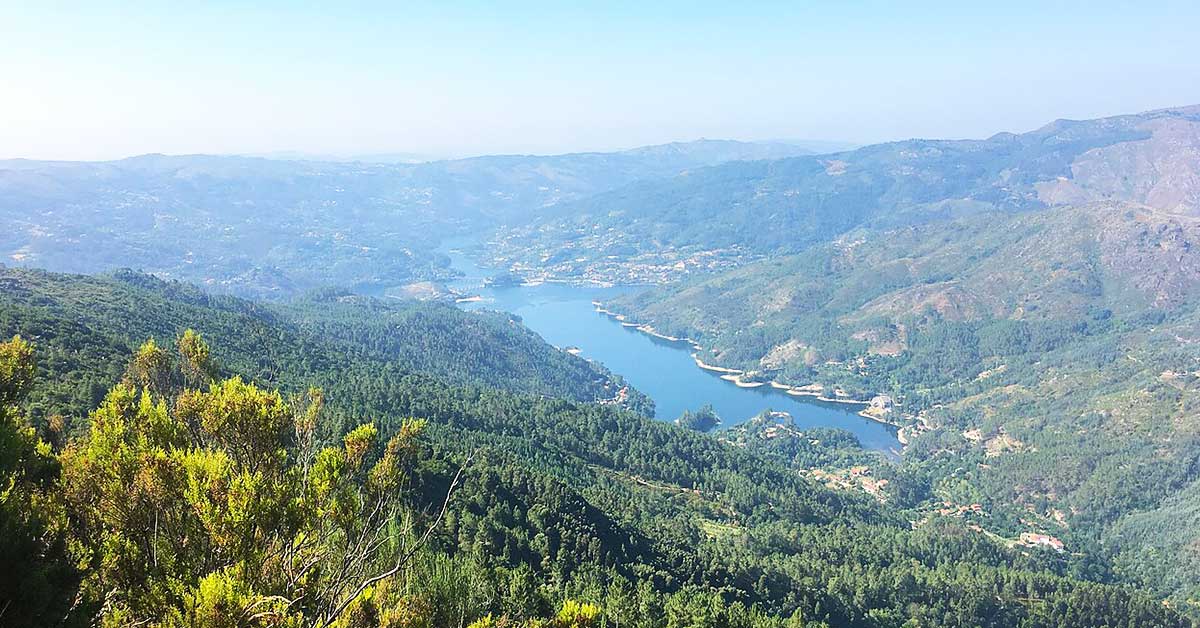
One of the most photographed viewpoints in Portugal, Pedra Bela offers a panoramic view over the Vilarinho das Furnas reservoir and much of the Gerês valley, with the mountains fading into the horizon. It's easily accessible by car, with a small parking area right by the viewpoint, making it one of the park's most visited spots, even for those who don't plan to hike.
Location: Terras de Bouro municipality, near Vila do Gerês.
How to get there: By car, with parking right by the viewpoint.
Difficulty: Easy, accessible to virtually anyone.
Tip: Go in the late afternoon to see the golden light reflecting off the reservoir.
AD
what to visit in gerês
7 - Miradouro da Junceda
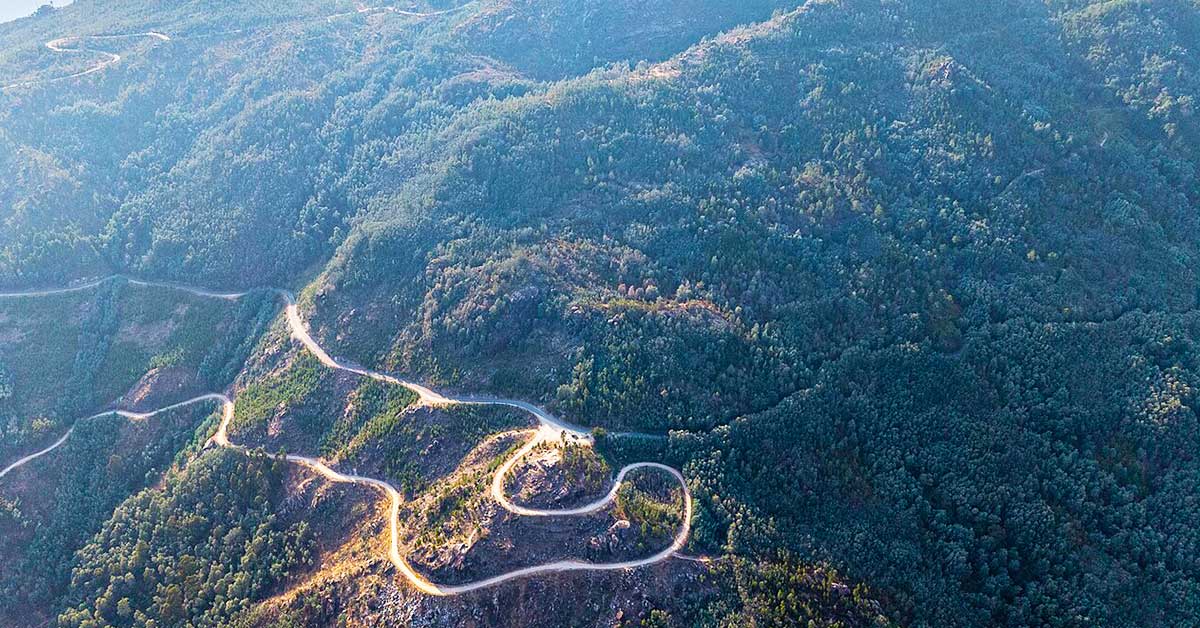
At 915 meters of altitude, Miradouro da Junceda is one of the highest easily accessible points in the park, with a 360-degree view over the Gerês mountains. It's one of three viewpoints that make up the so-called Trilho dos Miradouros (Viewpoints Trail), a very popular panoramic route among first-time visitors to the region.
Location: Near Vila do Gerês.
How to get there: On foot, via the Trilho dos Miradouros.
Difficulty: Moderate.
Tip: Combine your visit with the Boneca and Fraga Negra viewpoints, on the same trail.
AD
what to visit in gerês
8 - Miradouro da Boneca
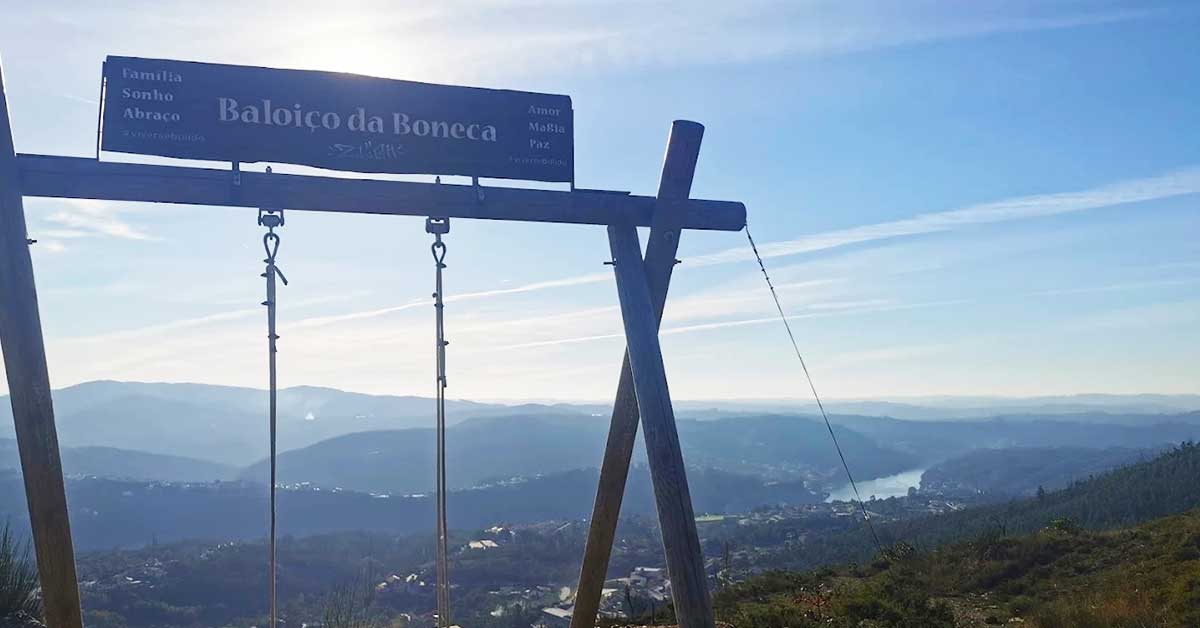
Also part of the Trilho dos Miradouros, Miradouro da Boneca offers a different perspective on the valley, with a direct view over Vila do Gerês and the thermal spa. It's a popular stopping point midway through the route, ideal for resting before continuing on to the other viewpoints.
Location: Trilho dos Miradouros, near Vila do Gerês.
How to get there: On foot, via the Trilho dos Miradouros.
Difficulty: Moderate.
Tip: The view of the Termas do Gerês below is one of the best angles on the whole route.
AD
what to visit in gerês
9 - Miradouro da Fraga Negra
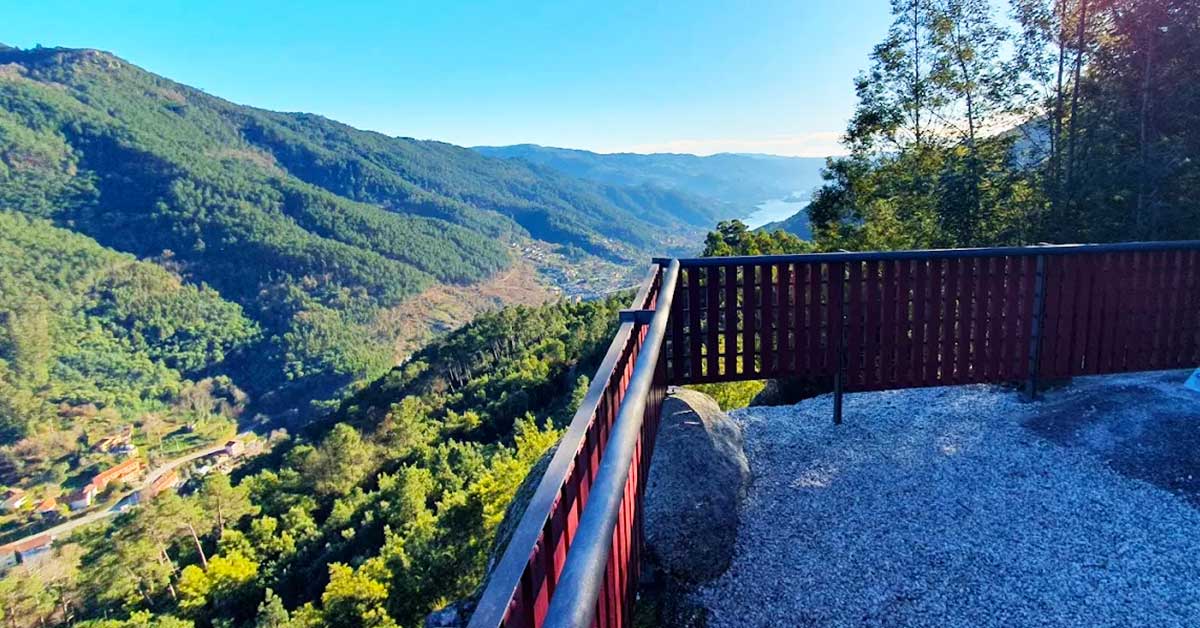
The third stop on the Trilho dos Miradouros, Fraga Negra gets its name from the dark color of the exposed granite at the top of the rock. From here you can see not only the Gerês valley, but also part of the border with Spain, in one of the widest horizons in the entire mountain range.
Location: Trilho dos Miradouros, near Vila do Gerês.
How to get there: On foot, via the Trilho dos Miradouros.
Difficulty: Moderate.
Tip: It's the highest of the trail's three viewpoints — save it for the end of the route.
AD
what to visit in gerês
10 - Miradouro da Ermida
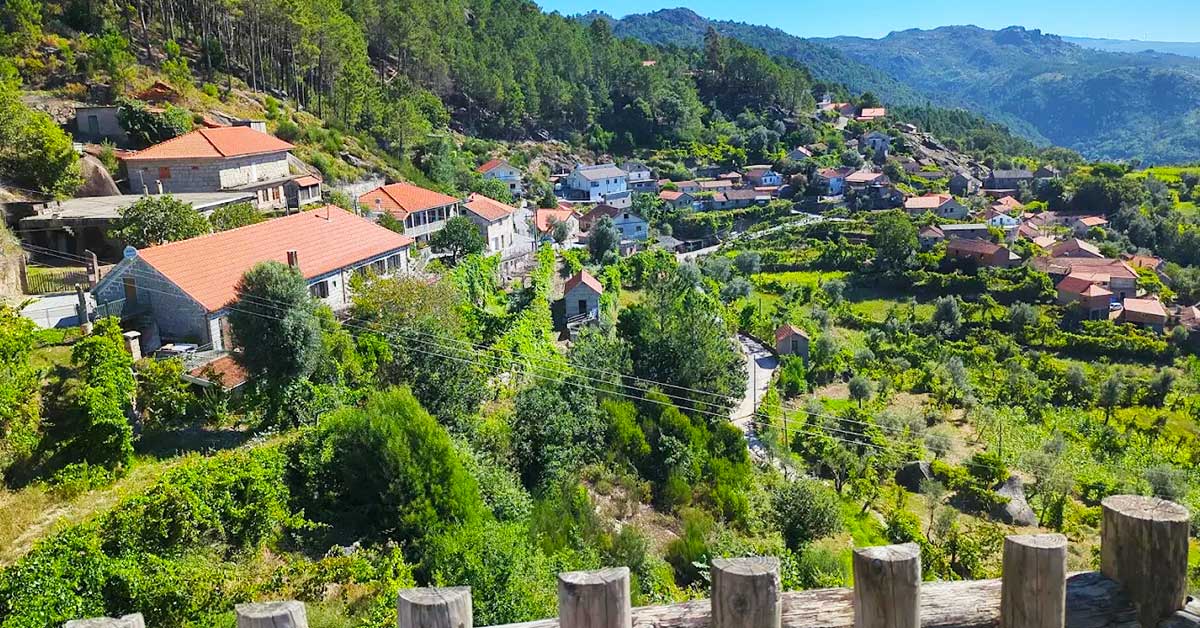
Next to the village that shares its name, Miradouro da Ermida offers a panoramic view over the mountains, valleys, and natural landscapes surrounding this small granite village. It's a good starting point for exploring the nearby waterfalls, including Tahiti and Rajada, since it sits right at the entrance to the trail area.
Location: Village of Ermida, Terras de Bouro municipality.
How to get there: On foot, from the center of the village of Ermida.
Difficulty: Easy.
Tip: Combine it with a visit to the village and to Sobreiral da Ermida, right next door.
AD
what to visit in gerês
11 - Penedo da Freira
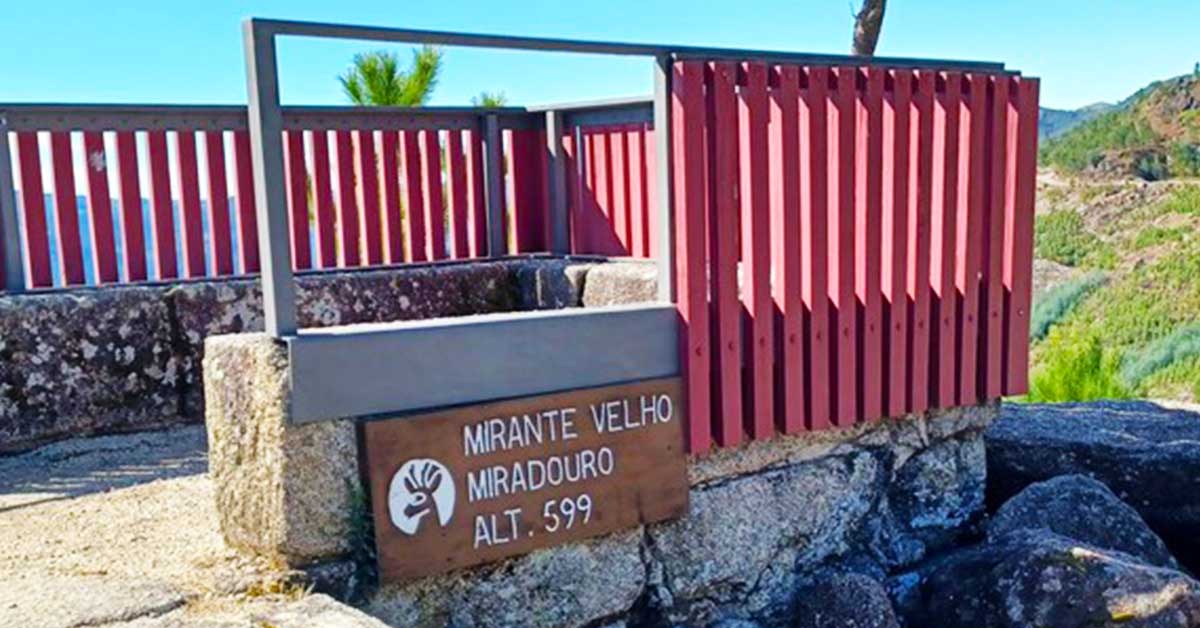
Right next to Vila do Gerês, Penedo da Freira is one of the most accessible viewpoints in the whole region, practically within reach of anyone staying in the village. Despite being so close to the tourist center, it offers a surprisingly complete view over the surrounding valley and mountains.
Location: Next to Vila do Gerês.
How to get there: On foot, a few minutes from the village center.
Difficulty: Easy.
Tip: Ideal for a quick stroll at the end of the day, with no planning required.
AD
what to visit in gerês
12 - Vilarinho das Furnas Dam and Submerged Village
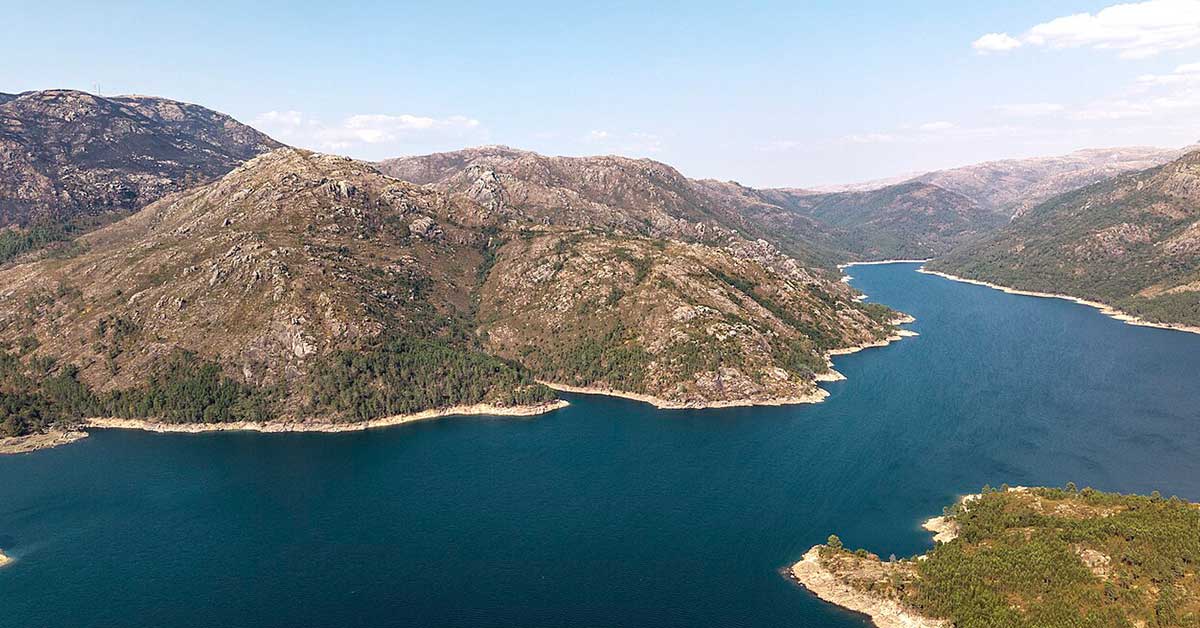
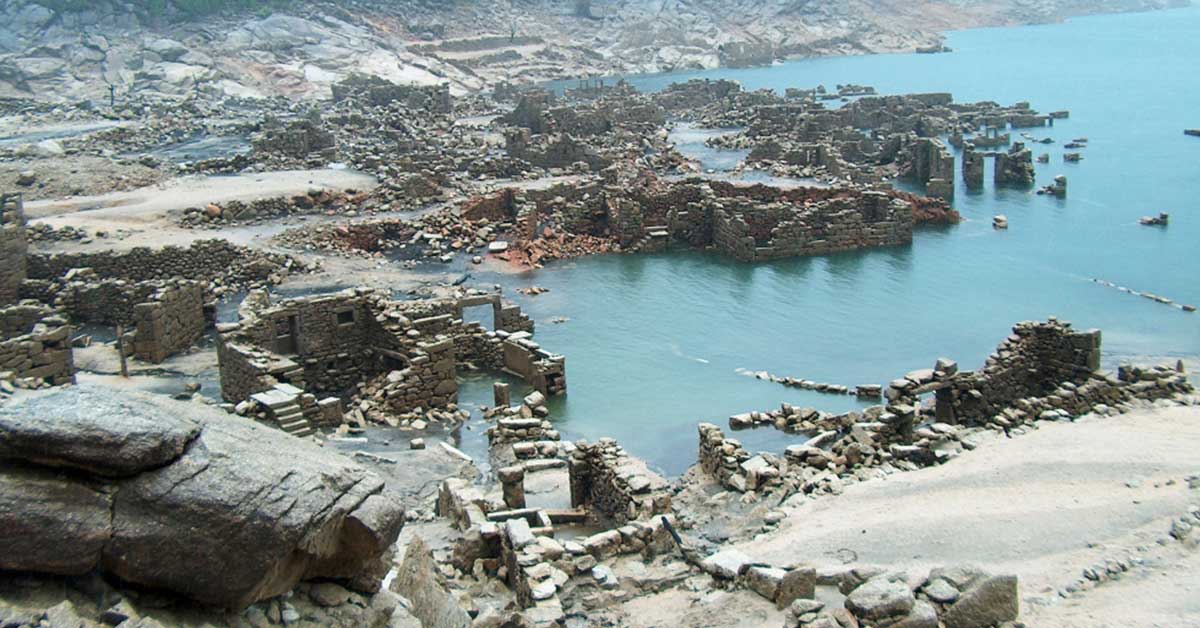
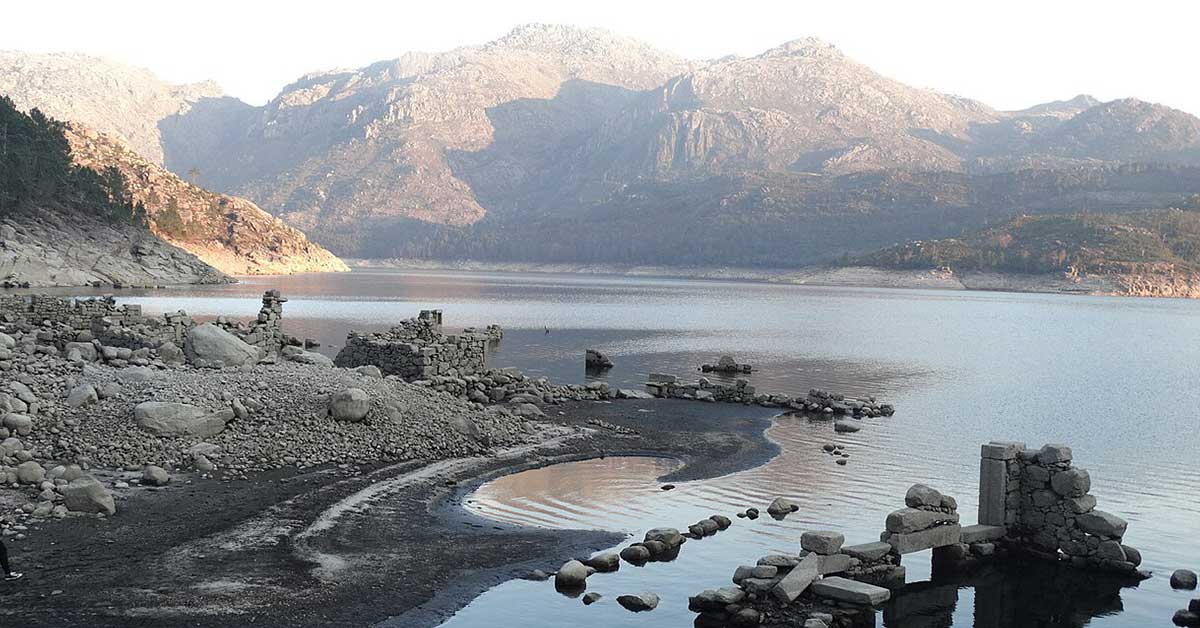
The Vilarinho das Furnas Dam created, in 1972, one of the most singular landscapes in Portugal: a reservoir that completely submerged the old communal village of Vilarinho das Furnas, known for its almost unique social organization in the country. During periods of prolonged drought, when water levels drop significantly, the ruins of the village resurface, drawing curious visitors from across the country.
For those who want to learn the village's history without relying on drought, there's an open-air ethnographic museum, the Currais de Vilarinho das Furnas, a faithful reconstruction of part of the original village, with objects and testimonies from the communal life that existed there for centuries.
Location: Terras de Bouro municipality.
How to get there: By car to the dam; the Currais museum is a few minutes away.
Difficulty: Easy.
Tip: Check the reservoir's water level before going, if you want to try to see the submerged ruins — they're only visible in years of severe drought.
AD
what to visit in gerês
13 - Santuário de São Bento da Porta Aberta
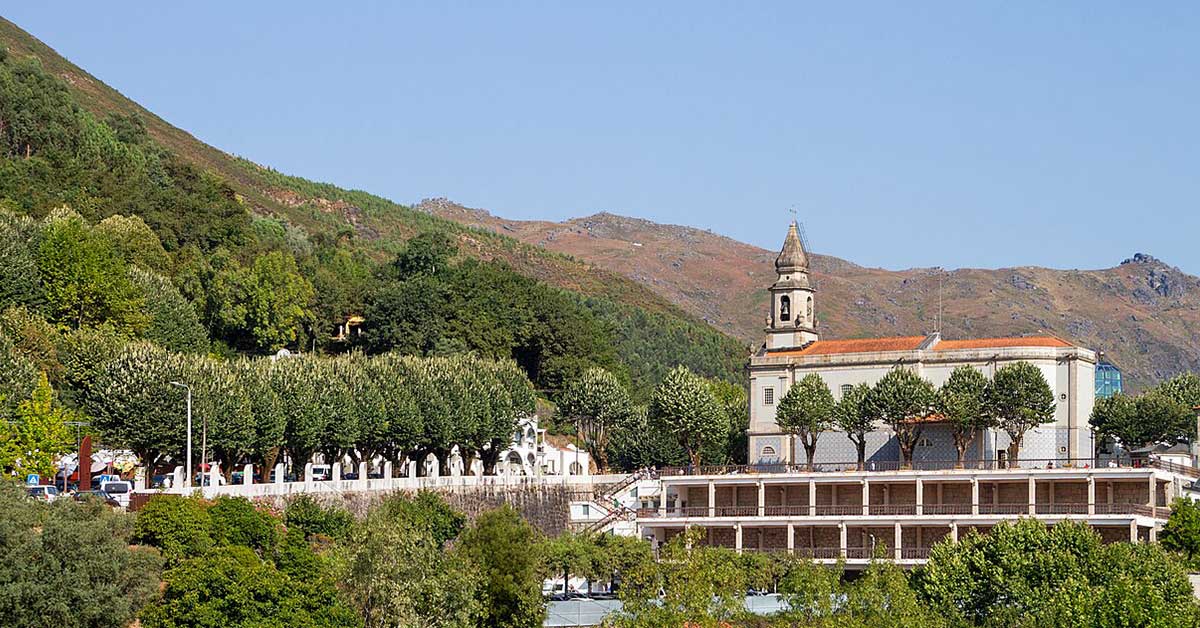
One of the most visited religious sites in Portugal, the Sanctuary of São Bento da Porta Aberta draws thousands of pilgrims every year, especially in July, the month of the great pilgrimage dedicated to the saint. Even outside the peak dates of devotion, it's worth visiting for the sanctuary's architecture and the serene atmosphere surrounding it, right at the entrance to the national park.
Location: Rio Caldo parish, Terras de Bouro municipality.
How to get there: By car, right by the main road into the park.
Difficulty: Easy.
Tip: Avoid the pilgrimage days in July if you're looking for peace and quiet — the sanctuary receives thousands of visitors at that time.
AD
what to visit in gerês
14 - Mata da Albergaria and the Roman Road
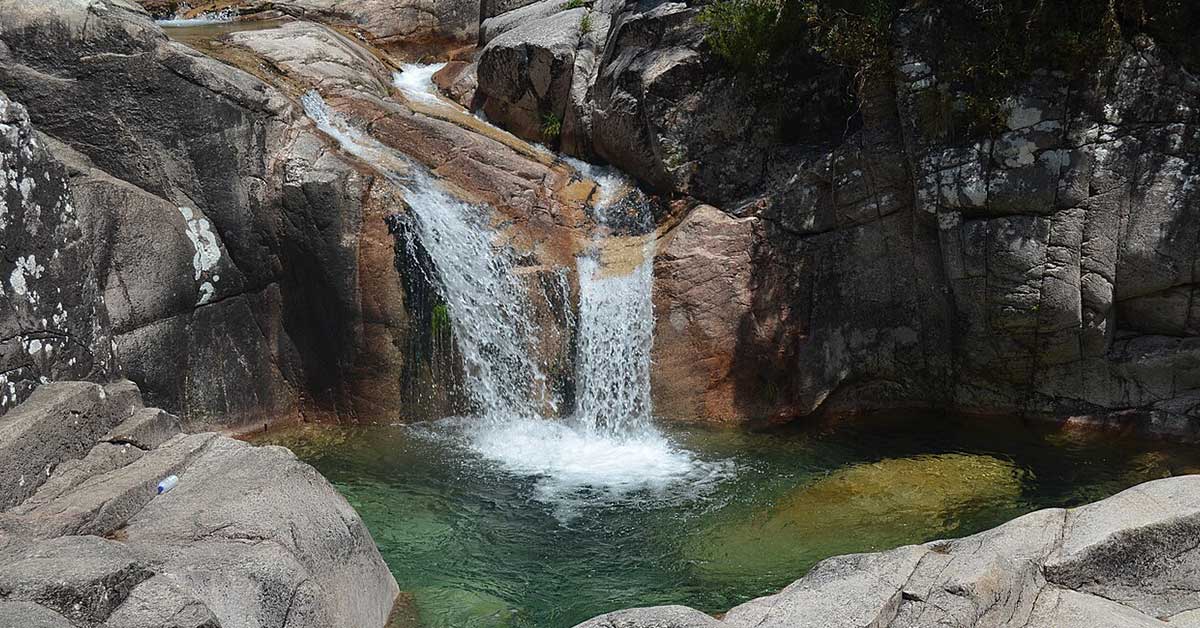
Covering about 5,000 hectares, Mata da Albergaria is one of the largest and best-preserved forest areas in Peneda-Gerês National Park, with impressive biodiversity of plant and animal species. It's also home to some of the best-preserved remains of the Geira Romana, the ancient road that linked Braga to Astorga, in Spain, with original milestone markers still visible along the trail.
Within the forest there are several trails and viewpoints that let you explore it at a leisurely pace, away from the bustle of the park's more photographed spots.
Location: Between Vila do Gerês and Portela do Homem.
How to get there: By car, with several access points along the N308 road.
Difficulty: Easy to moderate, depending on the trail chosen.
Tip: Look for the Geira Romana milestone markers along the main trail — many visitors walk right past them.
AD
what to visit in gerês
15 - Vila do Gerês
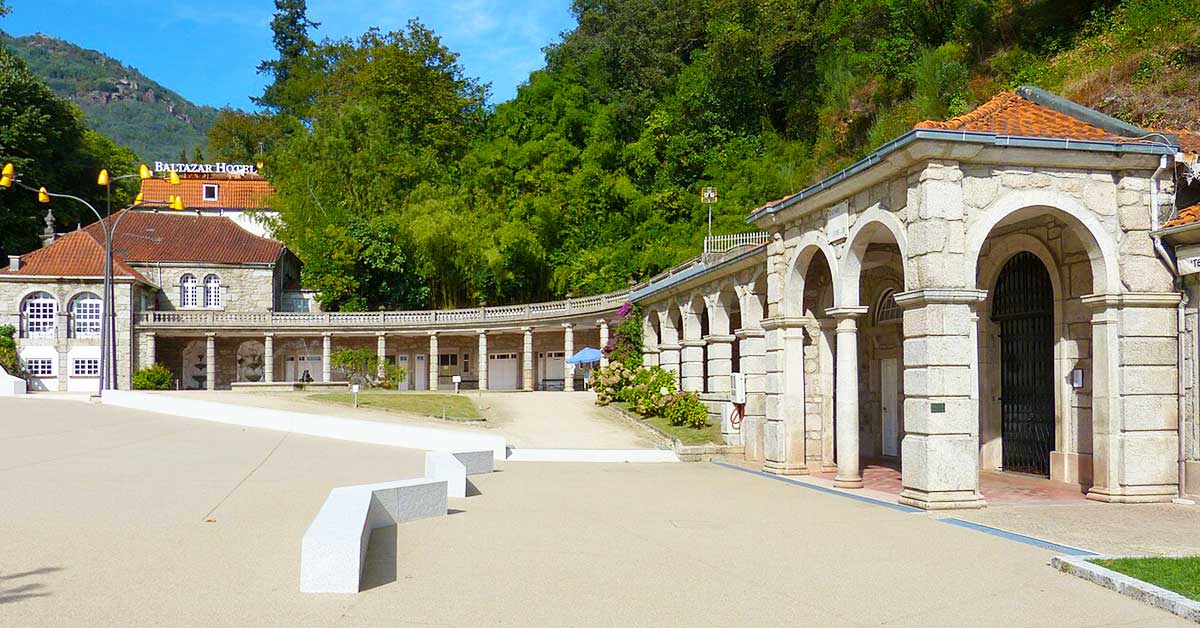
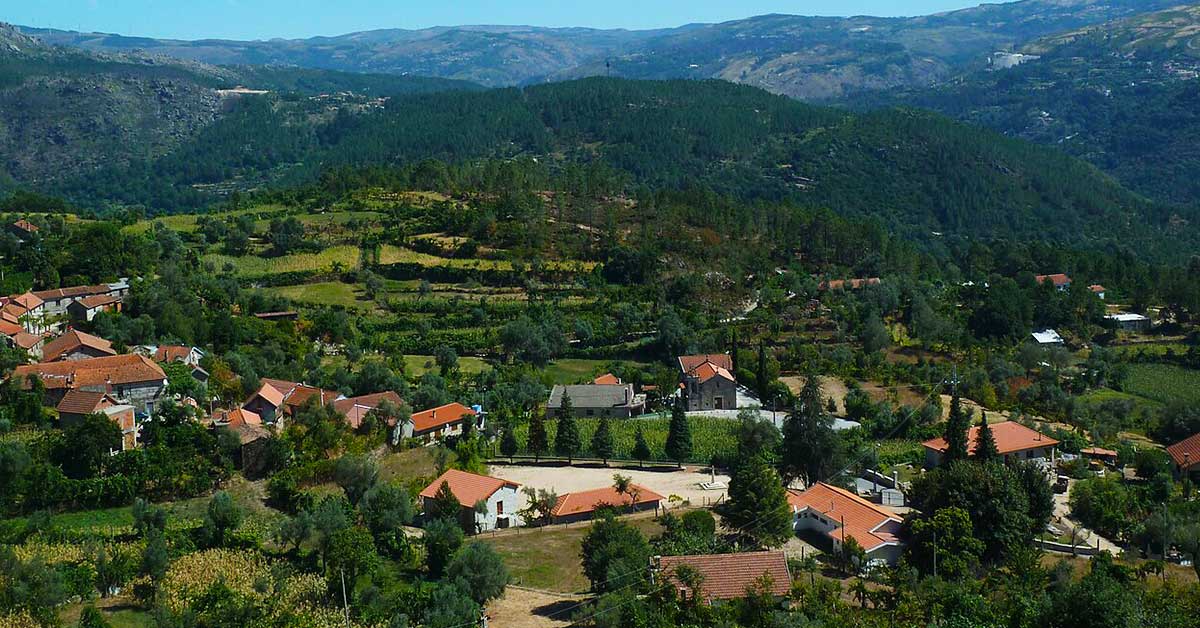
Vila do Gerês, also known as Caldas do Gerês, is the park's main tourist hub and the natural starting point for most excursions. With its typical spa-town architecture, outdoor cafés, craft shops, and restaurants serving regional food, it's the ideal place to stay overnight while visiting the mountains.
It's also where most services are concentrated — tourist information offices, trail equipment rental, and agencies that organize guided tours to the region's waterfalls and viewpoints.
Location: Terras de Bouro municipality.
How to get there: By car, via the N308.
Difficulty: Easy, fully accessible.
Tip: Book accommodation in advance in July and August — the village fills up quickly during peak season.
AD
what to visit in gerês
16 - Termas do Gerês
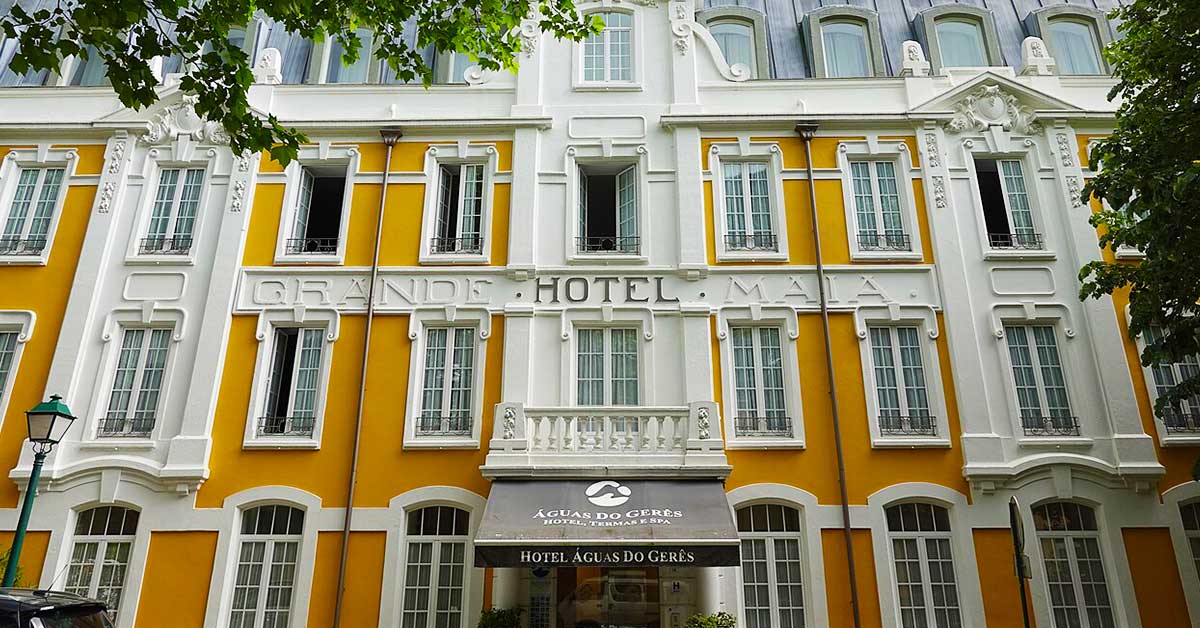
The Termas do Gerês thermal spa is one of the historical reasons the region became popular, long before nature tourism became fashionable. The thermal waters, known for their properties since Roman times, continue to attract visitors seeking wellness and relaxation treatments, in a modern spa complex located in the heart of the village.
Location: Vila do Gerês.
How to get there: On foot, within the village center.
Difficulty: Easy.
Tip: Combine a day of hiking to the waterfalls with an afternoon of relaxation at the spa — it's the classic Gerês combination.
AD
what to visit in gerês
17 - Portela do Homem
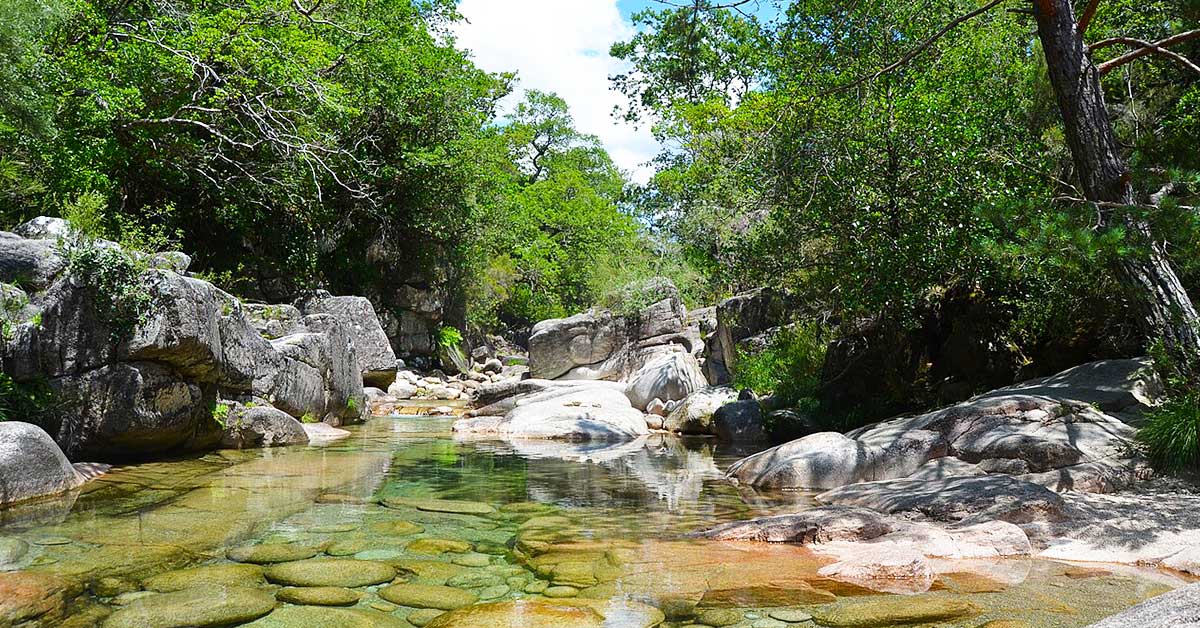
On the border with Spain, Portela do Homem is a true paradise for outdoor lovers, with trails that cross mountain landscapes and offer unique opportunities for hiking, wildlife watching, and nature photography. It's also where one of the park's most important rivers is born, the Rio Homem, which flows through much of Mata da Albergaria.
Location: Border between Portugal and Spain, Terras de Bouro municipality.
How to get there: By car, via the N308, all the way to the border.
Difficulty: Easy to moderate, depending on the trails chosen.
Tip: The area has lesser-known waterfalls worth exploring, away from the more touristy spots.
AD
what to visit in gerês
18 - Village of Ermida
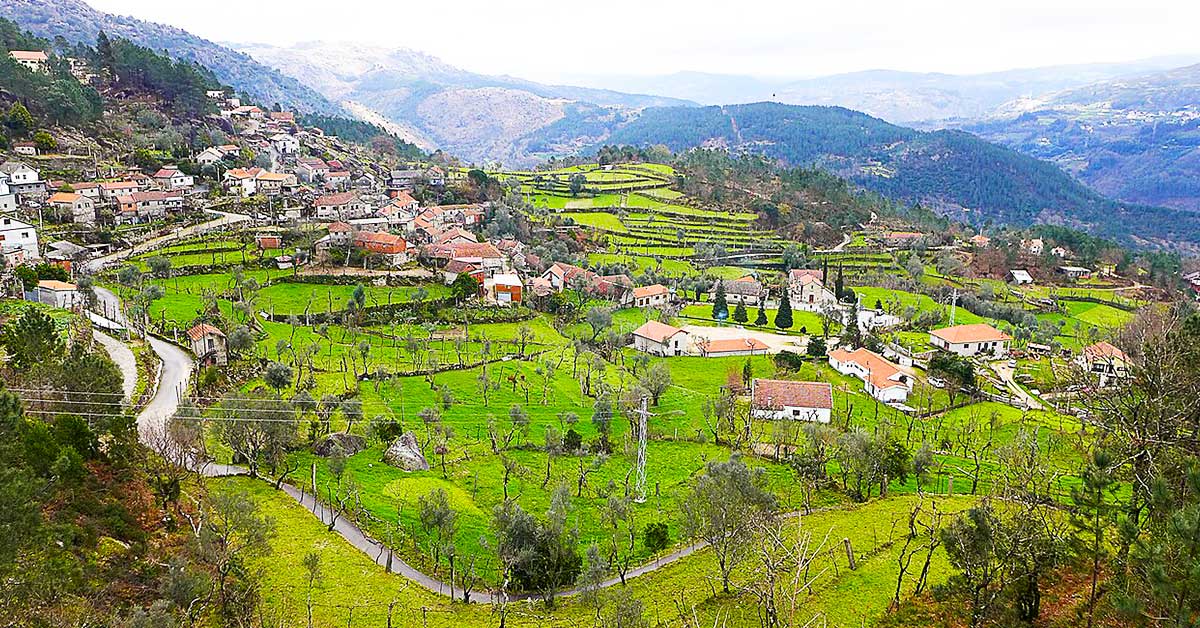
The village of Ermida is one of the most authentic settlements in Peneda-Gerês National Park, with granite houses, agricultural terraces, and a landscape that seems frozen in time. It's also the starting point for several of the region's most beautiful waterfalls, including Tahiti and Rajada, making it a natural base for a full day of exploring.
Location: Terras de Bouro municipality.
How to get there: By car, from Vila do Gerês.
Difficulty: Easy.
Tip: Try the Trilho do Sobreiral da Ermida, a longer route, to get to know the village in depth and explore other outdoor activities.
AD
what to visit in gerês
19 - Fenda da Calcedónia
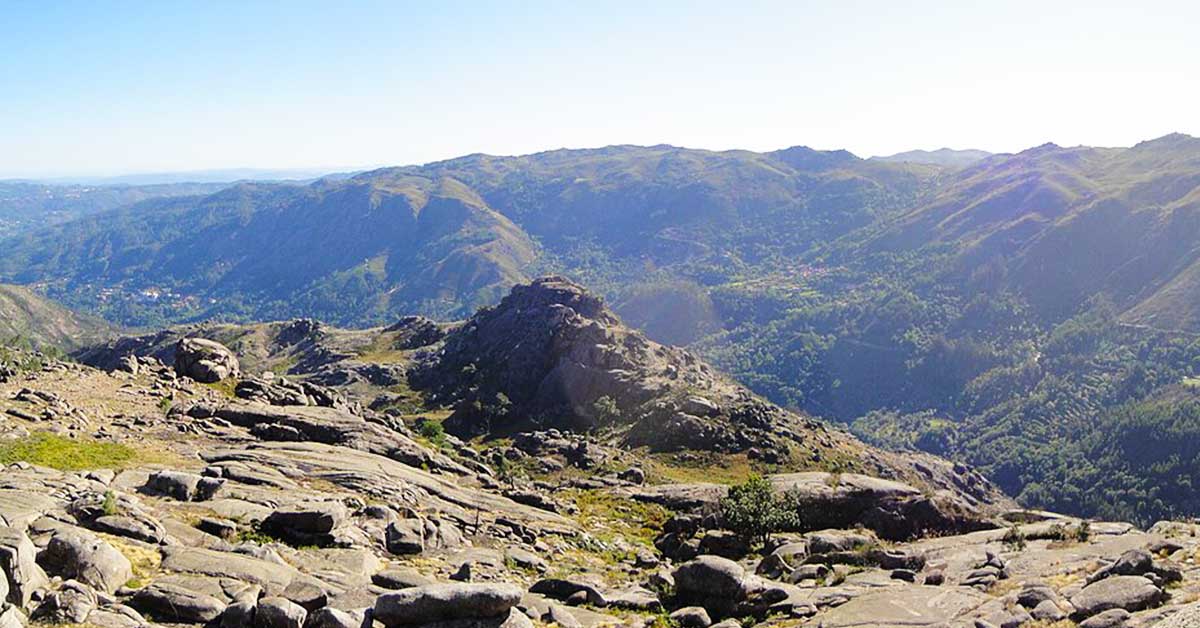
Also known as Cidade da Calcedónia, Fenda da Calcedónia is one of the most adventurous trails in all of Gerês, with spectacular rock formations that create a genuine crevice between giant boulders. The official trail doesn't actually pass through the crevice itself, but that's the highlight of the route, and most visitors cross it anyway, in one of the most memorable moments of any visit to the park.
Location: Terras de Bouro municipality.
How to get there: On foot, via a mountain trail.
Difficulty: Moderate to difficult, with sections of light scrambling between rocks.
Tip: Not recommended for those with claustrophobia — the crevice narrows in some spots.
AD
what to visit in gerês
20 - Rota de Xertelo and the Seven Lagoons of Cabril
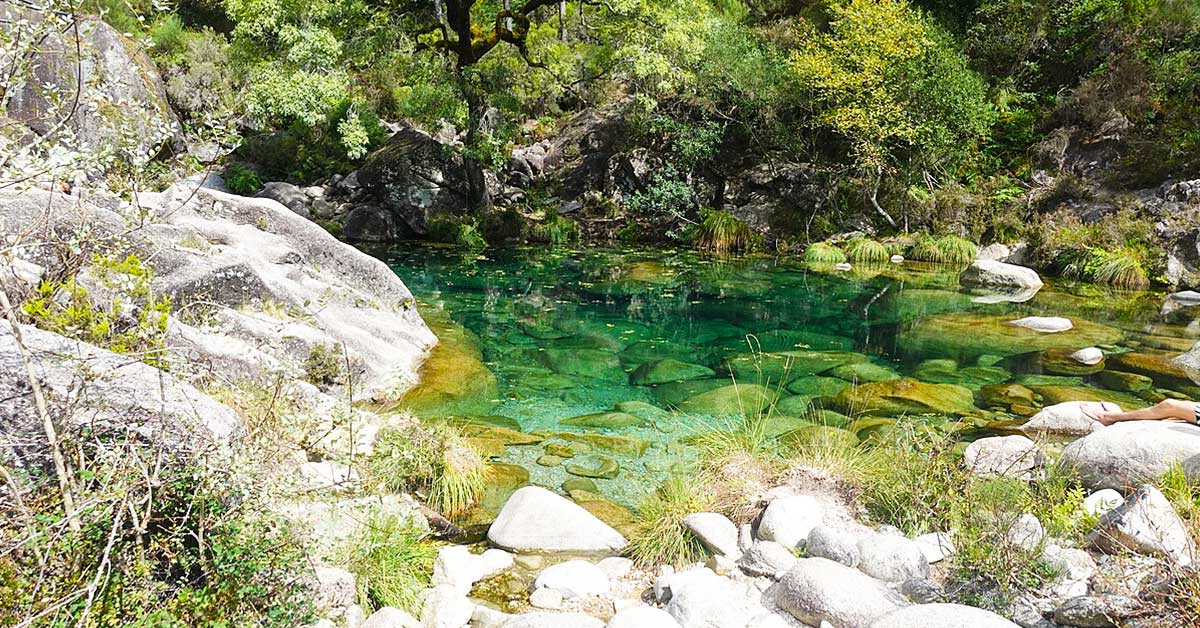
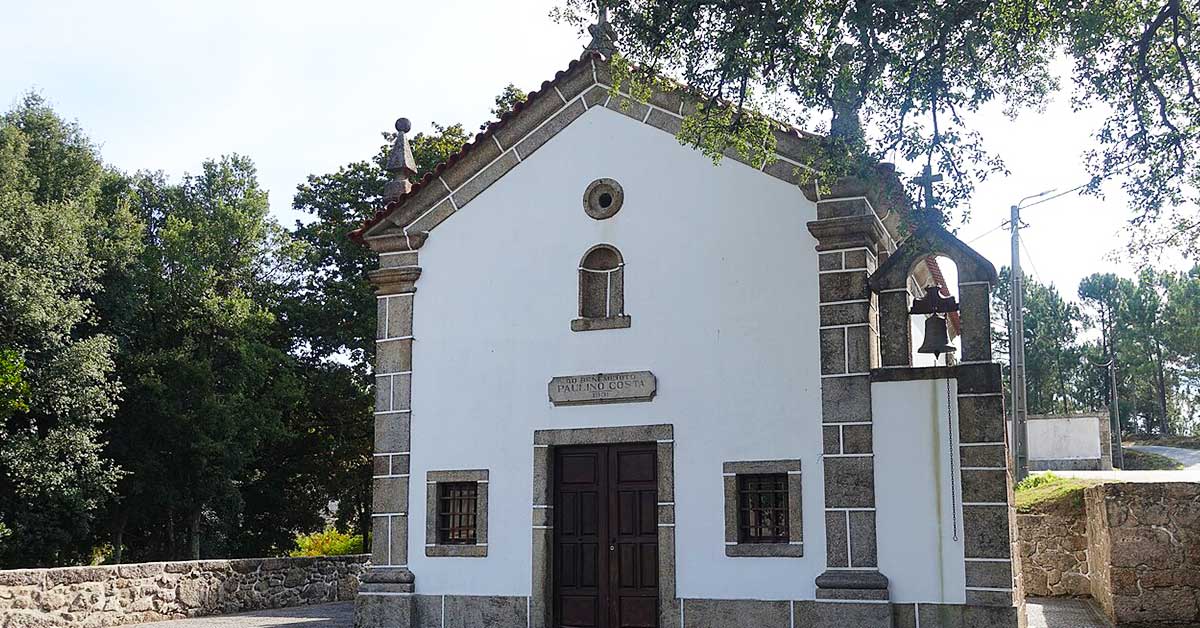
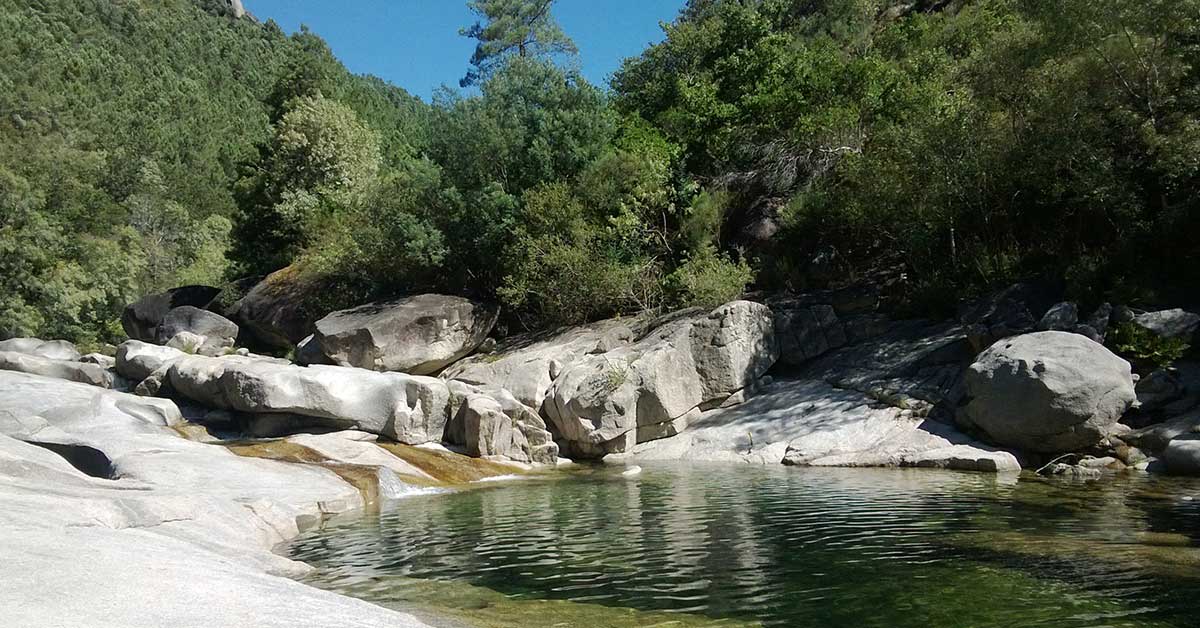
Near the village of Cabril, the Rota de Xertelo and the Trilho das Sete Lagoas (Seven Lagoons Trail) reveal some of the most surprising landscapes in Gerês, with crystal-clear pools formed along the Cabril River. It's a less-visited area than the Vila do Gerês zone, making it ideal for those who'd rather escape the crowds without giving up the mountain's natural beauty.
Location: Cabril parish, Montalegre municipality.
How to get there: By car to Cabril, followed by a hiking trail.
Difficulty: Moderate.
Tip: Combine it with a visit to Miradouro de Tibo, also in the Cabril area, with views over the Salamonde reservoir.
AD
what to visit in gerês
21 - Best Trails in Gerês (Practical Summary)
Trilho da Preguiça (5 km, easy):
A short route passing waterfalls, old stone corrals, and streams — a great way to start exploring the mountains.
Trilho Cascata do Arado – Poço Azul (10.1 km, moderate, 353 m elevation gain):
The park's most iconic trail, linking Gerês' two most photographed spots.
Trilho dos Miradouros:
A panoramic route connecting the Junceda, Boneca, and Fraga Negra viewpoints, with views over the valley and the Termas do Gerês.
Trilho da Cascata da Rajada:
Short and accessible, perfect for a refreshing dip at the end of the route.
Trilho do Sobreiral da Ermida:
The longest on this list, ideal for those who want to explore nature in depth.
AD
what to visit in gerês
22 - Where to Eat: Typical Gerês Cuisine

The cuisine of the Gerês region is hearty and comforting, made for those spending the day hiking the mountains. Caldo Verde à Minhota (kale soup), Cozido Minhoto (a hearty meat and vegetable stew), and Arroz de Pato à moda de Braga (Braga-style duck rice) are dishes worth trying after a day on the trails, served at most restaurants in Vila do Gerês and the neighboring villages.
For dessert, don't skip the region's typical convent sweets, often served with a coffee or a local digestif to finish the meal.
AD
what to visit in gerês
23 - One-Day Itinerary in Gerês
If you only have one day to visit Gerês, start with Cascata do Arado, one of the most beautiful and accessible waterfalls in the mountains. Then head to Miradouro da Pedra Bela for a panoramic view over the park. After lunch, explore Mata da Albergaria, with its remains of the Geira Romana, and end the afternoon with a refreshing dip at Poço Azul.
Before wrapping up the day, take a walk through Vila do Gerês and book a table at one of the local restaurants to try the region's typical cuisine.
AD
what to visit in gerês
24 - Best Time to Visit
Spring and early summer, between May and July, are the best time to visit Gerês: the waterfalls are full, the vegetation is at its greenest, and temperatures are pleasant for hiking. In peak summer, July and August, the natural pools fill up with people, but it's also the only time when the water is warm enough for a prolonged swim.
Fall brings spectacular colors to the park's forests, with fewer people than in summer, while winter can bring snow to the highest points of the mountains, creating completely different landscapes for those who already know Gerês in summer.
AD
what to visit in gerês
25 - Practical Tips Before You Go
Always bring proper hiking footwear, even on trails rated easy — the terrain is often uneven and can get slippery near waterfalls and rivers. On summer days, bring enough water, since many trails have no facilities along the route.
Mobile signal is weak or non-existent in several parts of the park, so it's worth downloading offline trail maps before setting out. Finally, always respect nature: take your trash with you and avoid straying from marked trails, especially in areas of higher ecological value.
AD
what to visit in gerês
26 - Frequently Asked Questions About What to Visit in Gerês
What is the most beautiful waterfall in Gerês?
Cascata do Arado is consistently named the most beautiful and most visited waterfall in Peneda-Gerês National Park, with easy access and natural pools nearby.
How much time do you need to visit Gerês?
A weekend lets you see the main attractions, like Cascata do Arado, Poço Azul, and Miradouro da Pedra Bela, but the park covers more than 700 square kilometers, so several days allow for a much more complete exploration.
Do you have to pay to enter Peneda-Gerês National Park?
There's no entrance fee for the park itself, but some parking areas near the most visited spots, like Cascata do Arado, may charge a fee during peak season.
Is it true there's a submerged village in Gerês?
Yes. The old village of Vilarinho das Furnas was submerged in 1972 with the construction of the dam, and its ruins only become visible again during periods of severe drought. There's also an ethnographic museum, the Currais de Vilarinho das Furnas, which reconstructs part of the original village.
AD
what to visit in gerês
Conclusion
What to visit in Gerês always depends on how much time you have and the kind of experience you're looking for — but between waterfalls, viewpoints, trails, and villages with centuries of history, you're unlikely to run out of options. It's undoubtedly one of Portugal's most complete and rewarding nature destinations.
Save this guide, pick the spots that appeal to you most, and get ready to discover why Gerês remains one of the country's best-kept secrets — and, at the same time, one of its most visited.
AD