Winter Destinations in Europe
The Most Complete Guide to Planning Your Winter Trip
For many travellers, winter is the most magical season for discovering Europe. Between centuries-old Christmas markets, ski slopes in the Alps and natural phenomena like the northern lights, the continent turns into a fairy-tale landscape the moment temperatures drop.
We've brought together the 14 best destinations to visit in Europe in winter, from Finnish Lapland to the thermal baths of Budapest, taking in car-free Alpine villages and historic towns lit up by thousands of lights. For each one you'll find what to visit, where to stay and the best time to go.
Whether you're after guaranteed snow, mulled wine in a medieval square, or an escape from the cold to southern Europe, this guide will help you choose the right winter destination for you.
AD
AD
Winter Destinations in Europe
1 – Finnish Lapland (Rovaniemi)
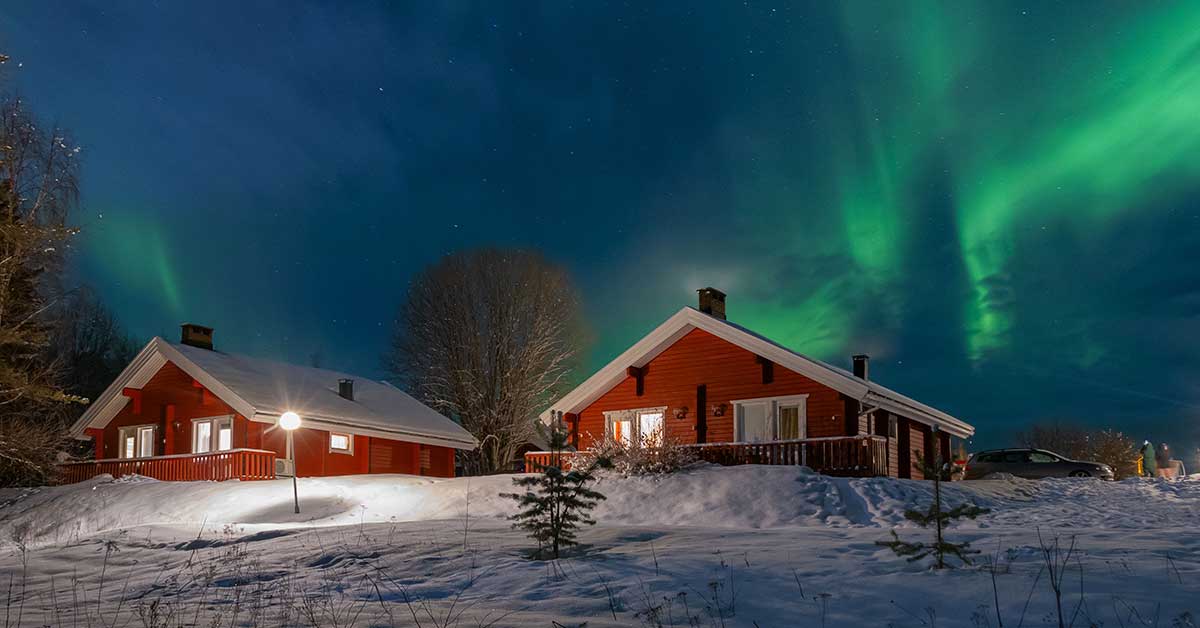
Right on the Arctic Circle, Rovaniemi is the capital of Finnish Lapland and one of Europe's most sought-after winter destinations, known as Santa Claus's official home. Between December and February, temperatures range from -15°C to -30°C, but the snow-covered forest landscape and the chance to see the northern lights more than make up for the biting cold.
Besides Santa Claus Village, with reindeer, husky dogs and an Arctic post office, Rovaniemi is also one of Europe's best bases for hunting the northern lights, with specialised night tours and accommodation like glass igloos designed for watching the phenomenon without leaving your bed.
What to visit: Santa Claus Village, SantaPark, reindeer or husky sled rides, and northern lights hunting excursions.
Where to stay: Central Rovaniemi for easy access to everything; resorts near Santa Claus Village for a more immersive experience.
Best time to visit: December for the magic of Christmas; January and February for a higher chance of clear skies and northern lights.
AD
Winter Destinations in Europe
2 – Prague
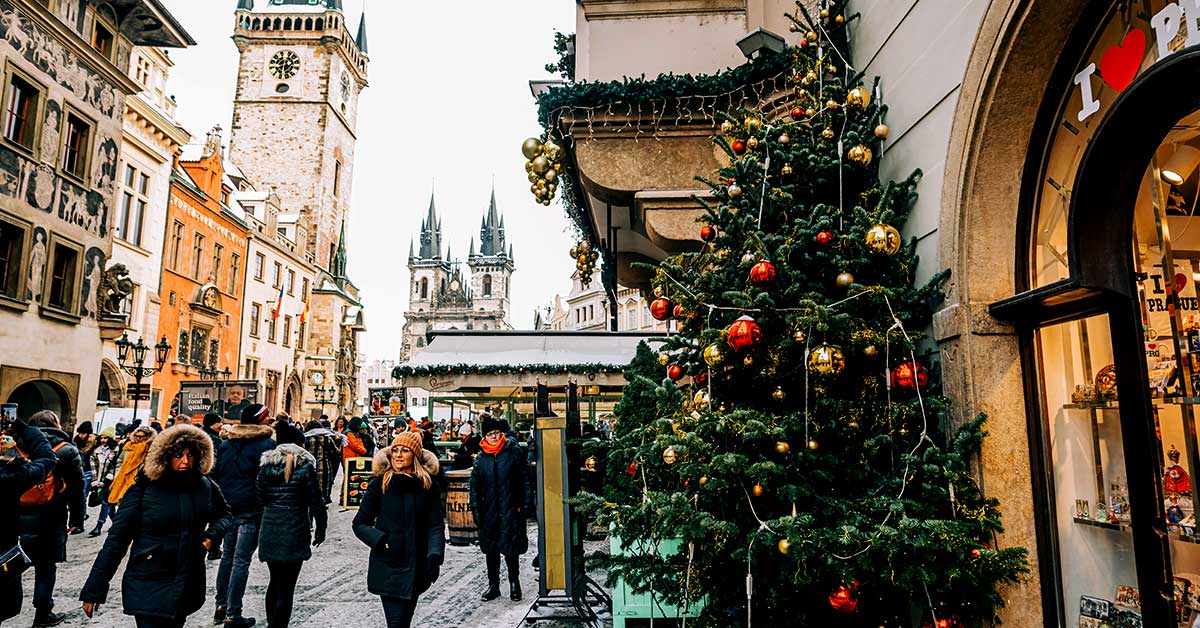
Few European cities seem as made for winter as Prague. The Gothic towers, the Castle overlooking the Vltava River and the cobbled streets of the Old Town take on an almost cinematic charm once covered in snow or lit up by the glow of the Christmas markets.
The main market, in Old Town Square by the medieval Astronomical Clock, is one of the most visited in Central Europe, with dozens of craft stalls, mulled wine and trdelník, the traditional Czech pastry roasted over charcoal that fills the whole square with its aroma.
What to visit: Prague Castle, Charles Bridge, the Astronomical Clock, and the Christmas Market in Old Town Square.
Where to stay: Old Town for walkable access to all the main sights; Malá Strana for a quieter stay near the castle.
Best time to visit: December, during the Christmas markets, which usually run into early January.
AD
Winter Destinations in Europe
3 – Vienna
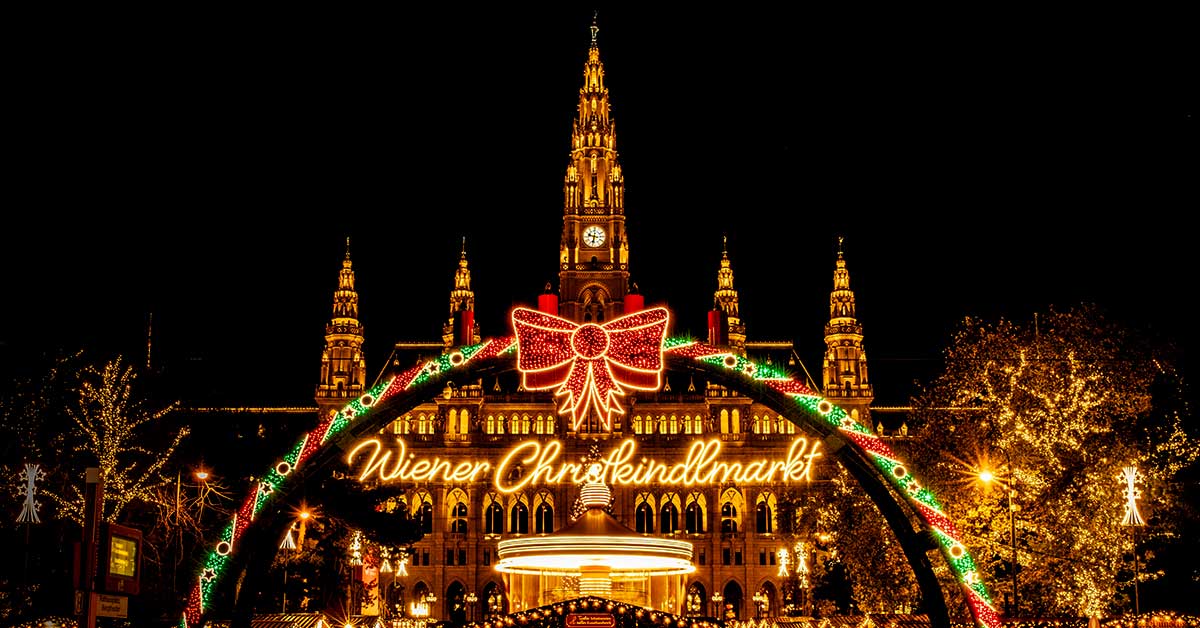
The former imperial capital of the Habsburgs, Vienna saves some of its most elegant moments for winter: waltz balls, classical concerts in the very halls where Mozart and Strauss once performed, and Christmas markets dating back to the 13th century, making it one of Europe's most steeped-in-tradition festive cities.
The market in front of City Hall, with its huge Christmas tree and ice rink, is the most iconic, but Vienna has dozens of markets scattered around the city, each with its own character, from the most traditional to the more modern and artisanal.
What to visit: Schönbrunn Palace, St. Stephen's Cathedral, the State Opera, and the Christmas Market by City Hall.
Where to stay: The historic centre (Innere Stadt) for proximity to the main sights and markets.
Best time to visit: Late November to December, for the Christmas markets and the winter cultural programme.
AD
Winter Destinations in Europe
4 – Zermatt
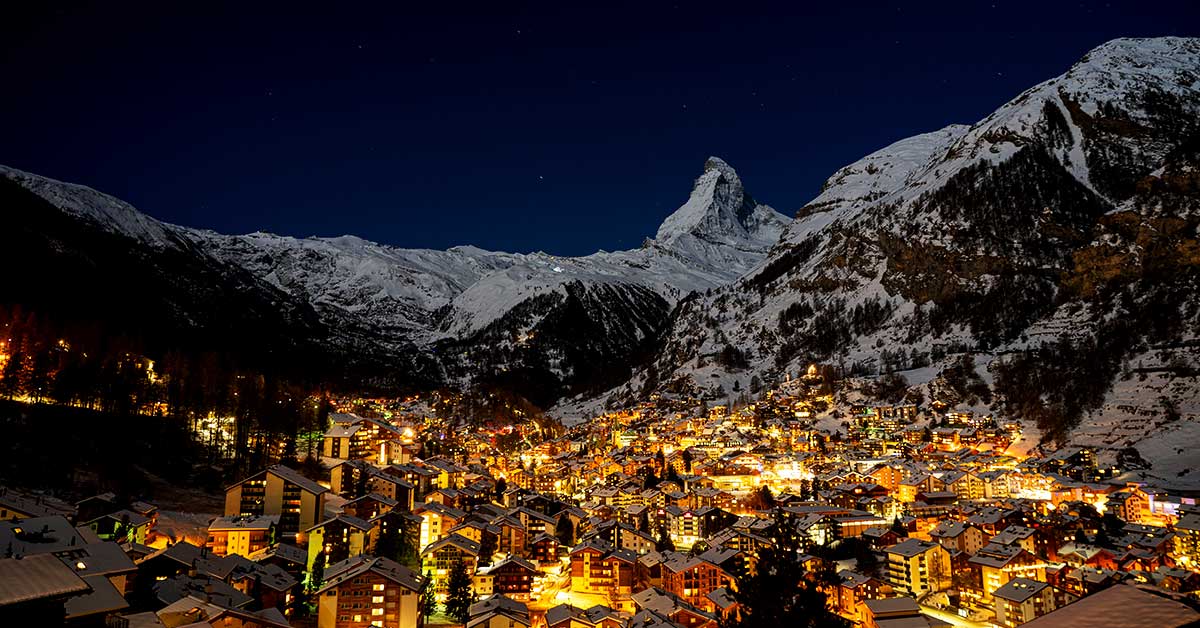
At the foot of the iconic Matterhorn, the mountain that inspired the Toblerone logo, Zermatt is an Alpine village where no cars are allowed — only electric taxis and horse-drawn carriages. That gives it a rare tranquillity for a world-renowned ski destination.
Even non-skiers can enjoy the train ride up to Gornergrat, with views over more than twenty peaks above 4,000 metres, or the cable car to Matterhorn Glacier Paradise, the highest point in Europe accessible by public transport.
What to visit: Gornergrat by train, Matterhorn Glacier Paradise, and ski and snowboard slopes for every level.
Where to stay: The village centre, with no need for a car; arrival by train from Täsch, since Zermatt doesn't allow cars.
Best time to visit: December to March, for the ski season with guaranteed snow.
AD
Winter Destinations in Europe
5 – Cologne
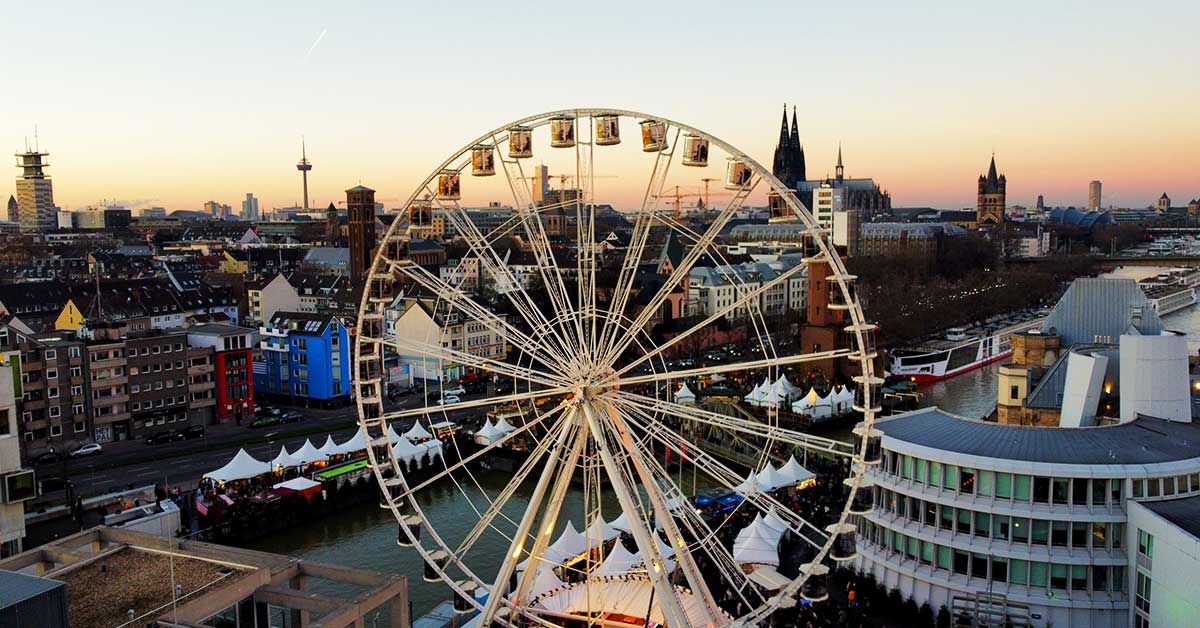
Cologne's imposing cathedral, a UNESCO World Heritage Site with Gothic towers rising over 150 metres, provides the backdrop to one of Germany's most photographed Christmas markets, known for its huge central Christmas tree by the cathedral's main entrance.
Beyond the central market, it's worth visiting the "Santa Claus Village" at Rudolfplatz, with a more intimate atmosphere, and taking the chance to see the Chocolate Museum, just a few minutes' walk from the historic centre.
What to visit: Cologne Cathedral, the Christmas Market by the cathedral, the Santa Claus Village at Rudolfplatz, and the Chocolate Museum.
Where to stay: The historic centre, near the cathedral and the main station, for easy walking access.
Best time to visit: Late November to December, while the Christmas markets are running.
AD
Winter Destinations in Europe
6 – Budapest
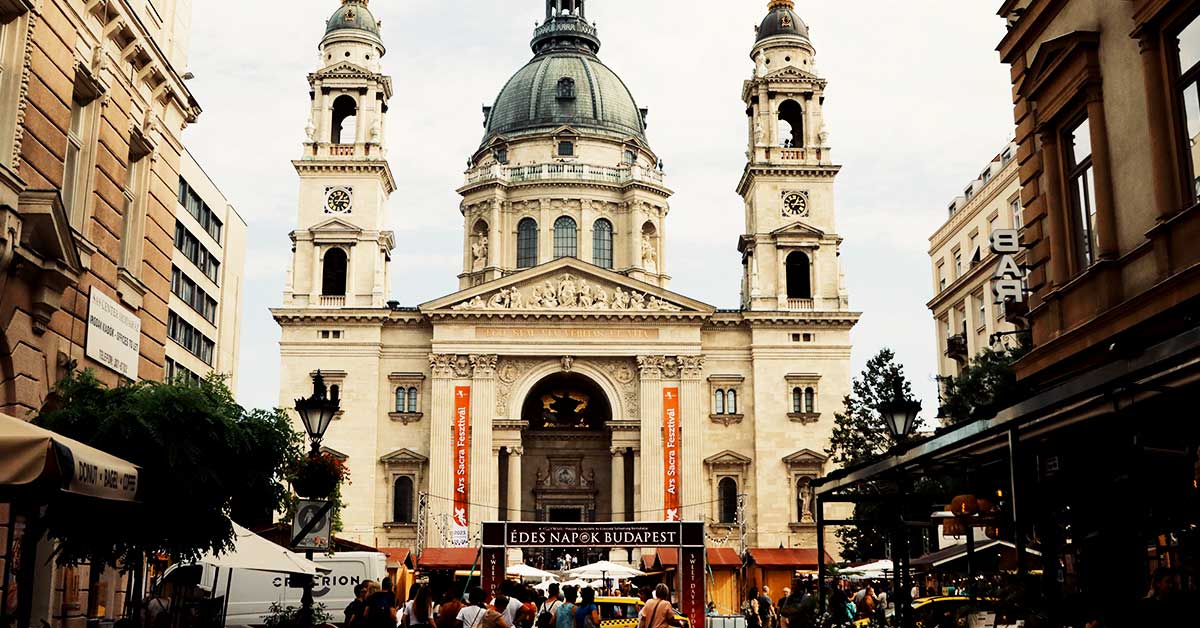
Budapest combines two of the greatest pleasures of a European winter: stunning Christmas markets and the city's famous hot thermal baths. The two main markets, in Vörösmarty Square and by St. Stephen's Basilica, stand out for their comfort food and, at the Basilica, a daily light-projection show on the facade.
After a day exploring the city, nothing beats sinking into the thermal waters at the Széchenyi or Gellért baths, a centuries-old tradition that takes on a special meaning when steam rises off the water while the outside temperature hovers around zero.
What to visit: St. Stephen's Basilica, the Hungarian Parliament, Széchenyi Baths, and the Christmas markets in Vörösmarty Square.
Where to stay: Pest, by the Danube River, for proximity to the Christmas markets and main sights.
Best time to visit: December, for the Christmas markets; the city stays lively into the first week of January.
AD
Winter Destinations in Europe
7 – Reykjavik and Iceland
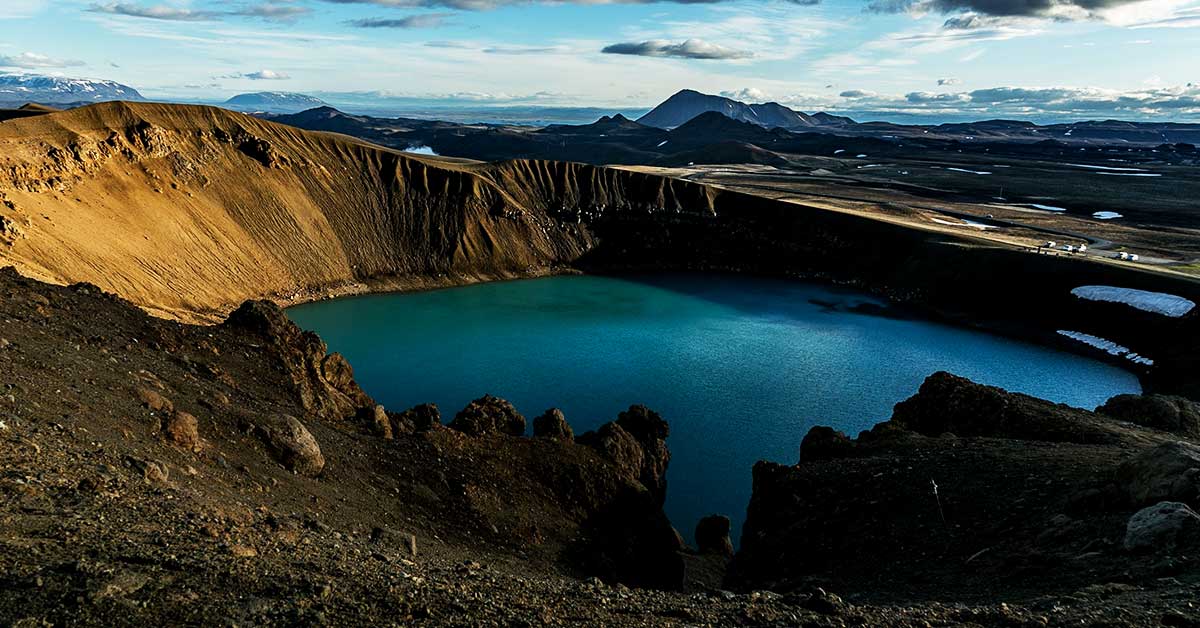
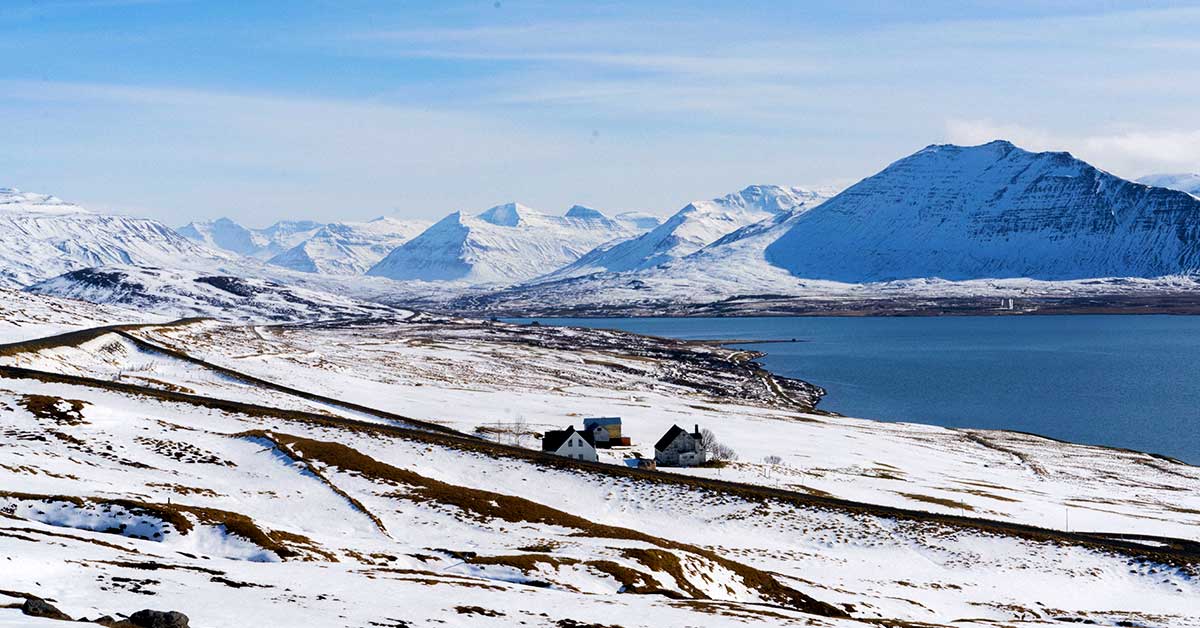
For many travellers, Iceland is Europe's most surprising winter destination. Volcanic landscapes, frozen waterfalls and the chance to spot the northern lights near Reykjavik make this a destination that feels like another planet as soon as you leave the capital.
The highlight for many visitors is the Blue Lagoon, a geothermal pool with milky waters kept at 37-39°C even with snow all around, formed from the thermal water of the Svartsengi power plant. It's one of the most contrasting experiences Europe has to offer in winter: pure warmth in the middle of ice.
What to visit: The Blue Lagoon, the Golden Circle (geysers and Gullfoss waterfall), Hallgrímskirkja Church, and northern lights hunting excursions.
Where to stay: Central Reykjavik for easy access to excursions and the capital's nightlife.
Best time to visit: November to March, the period of highest northern lights activity due to the longer nights.
AD
Winter Destinations in Europe
8 – Strasbourg
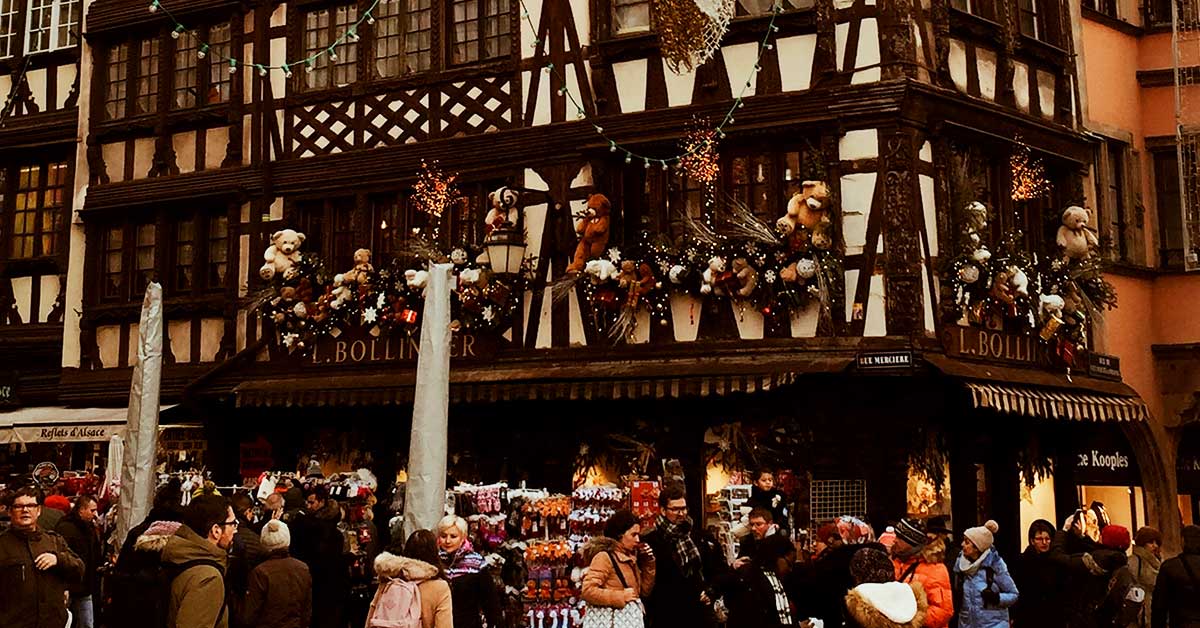
Known as the "Capital of Christmas", Strasbourg hosts one of Europe's oldest Christmas markets, with roots going back to 1570. The half-timbered houses typical of the Alsace region, many decorated with lights from early November, create an almost fairy-tale setting.
The main market on Place Broglie coexists with dozens of other themed markets scattered around the city, and its proximity to the German border shows in a winter cuisine that blends French and German influences, from mulled wine to flammekueche.
What to visit: Strasbourg Cathedral, the La Petite France district, and the Christmas markets scattered around the city.
Where to stay: The historic centre (Grande Île), a UNESCO World Heritage Site, to be surrounded by the markets.
Best time to visit: Late November to December, during the "Christkindelsmärik", as the Christmas markets are locally known.
AD
Winter Destinations in Europe
9 – Krakow
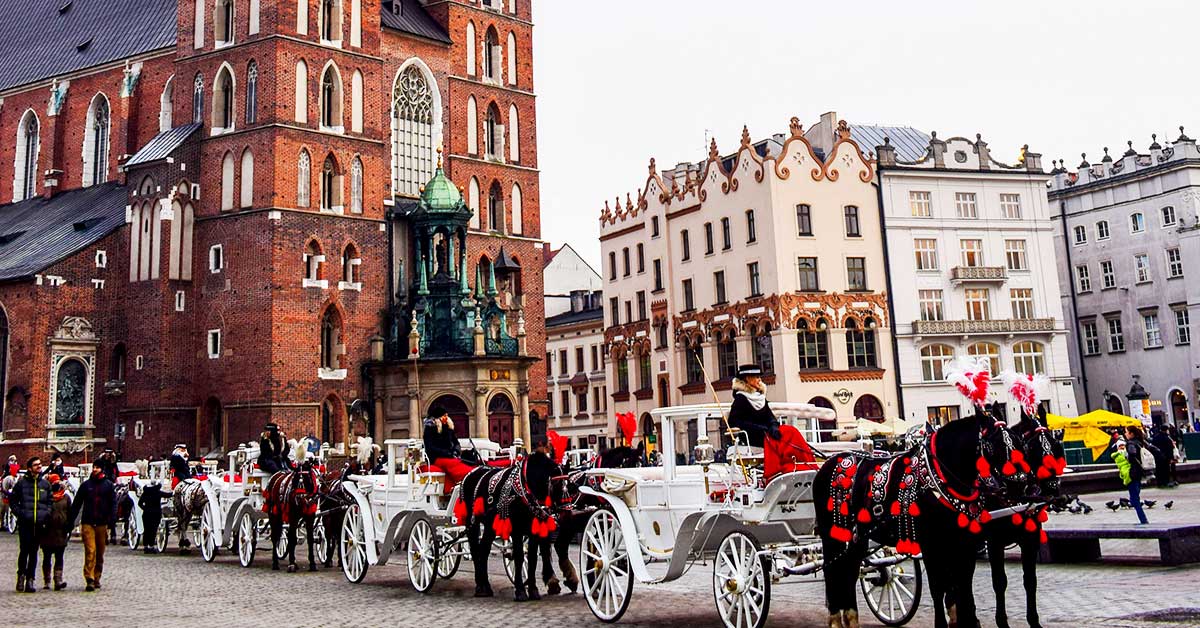
Krakow is one of the most affordable winter destinations in Central Europe, without sacrificing beauty or tradition. The Christmas market in the Main Market Square, one of the largest medieval squares in Europe, offers local crafts, elaborate pottery and the iconic soup served inside a bread bowl.
The city is also known for its "szopki", elaborate nativity scene models inspired by Krakow's architecture, so detailed they've made it onto UNESCO's Intangible Cultural Heritage list, and which you can admire (and buy) right at the market stalls.
What to visit: Wawel Castle, the Main Market Square, the Kazimierz Jewish Quarter, and the Christmas market with its traditional szopki.
Where to stay: The historic centre, near the Main Market Square, for easy walking access to every point of interest.
Best time to visit: December, during the Christmas market, with prices generally more inviting than other European capitals.
AD
Winter Destinations in Europe
10 – Bruges
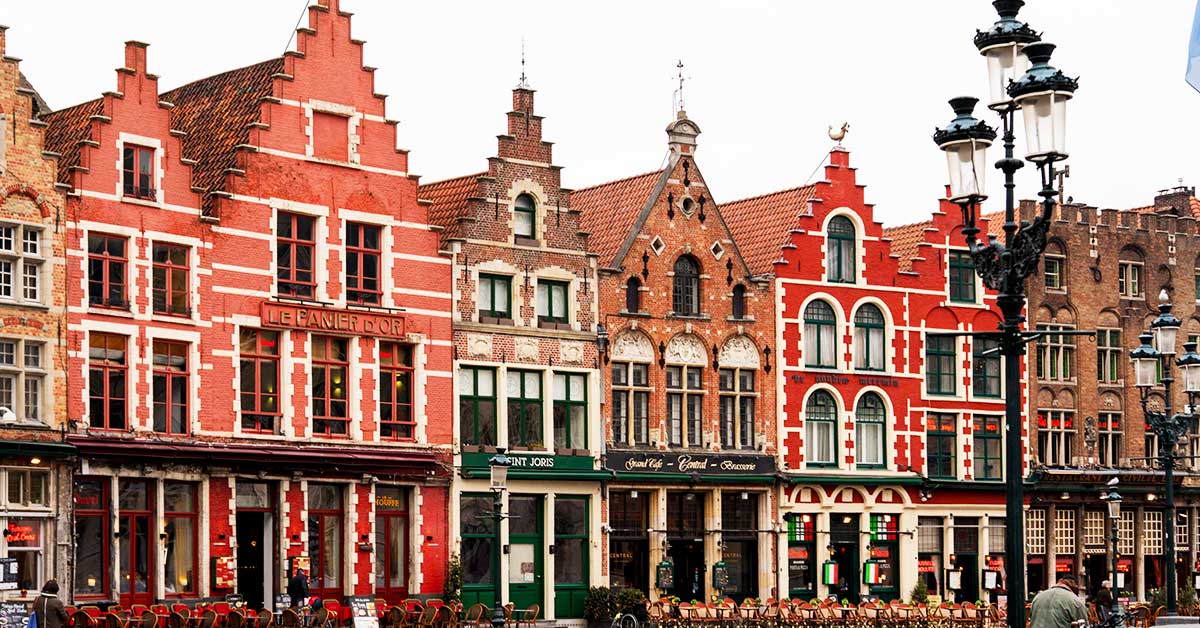
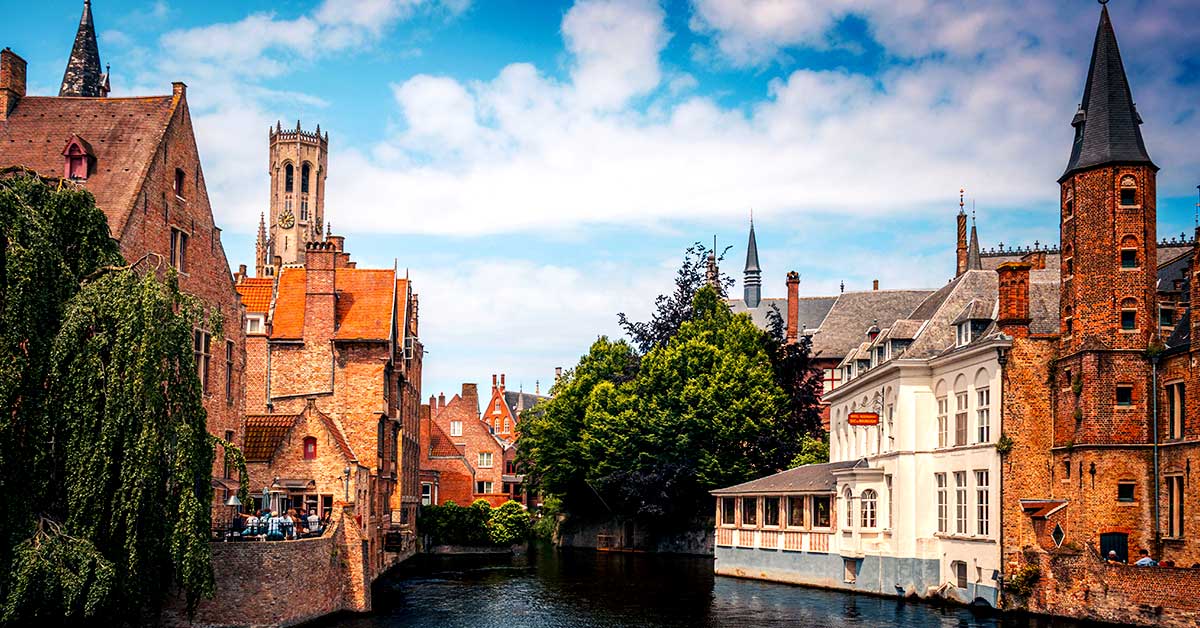
Often called the "Venice of the North" for its medieval canals, Bruges turns into a scene straight off a postcard the moment the first snowflakes settle on the triangular rooftops and stone bridges of its historic centre.
The small but charming Market Square (Markt) hosts an open-air ice rink and an intimate Christmas market, far less crowded than those in the big neighbouring capitals, making Bruges a popular choice for anyone seeking festive magic without the masses.
What to visit: The Market Square (Markt), the Belfry of Bruges, a canal boat ride, and the festive ice rink.
Where to stay: The historic centre, within the ring of canals, for full immersion in the medieval atmosphere.
Best time to visit: December, for the Christmas market and the ice rink in the Market Square.
AD
Winter Destinations in Europe
11 – Innsbruck
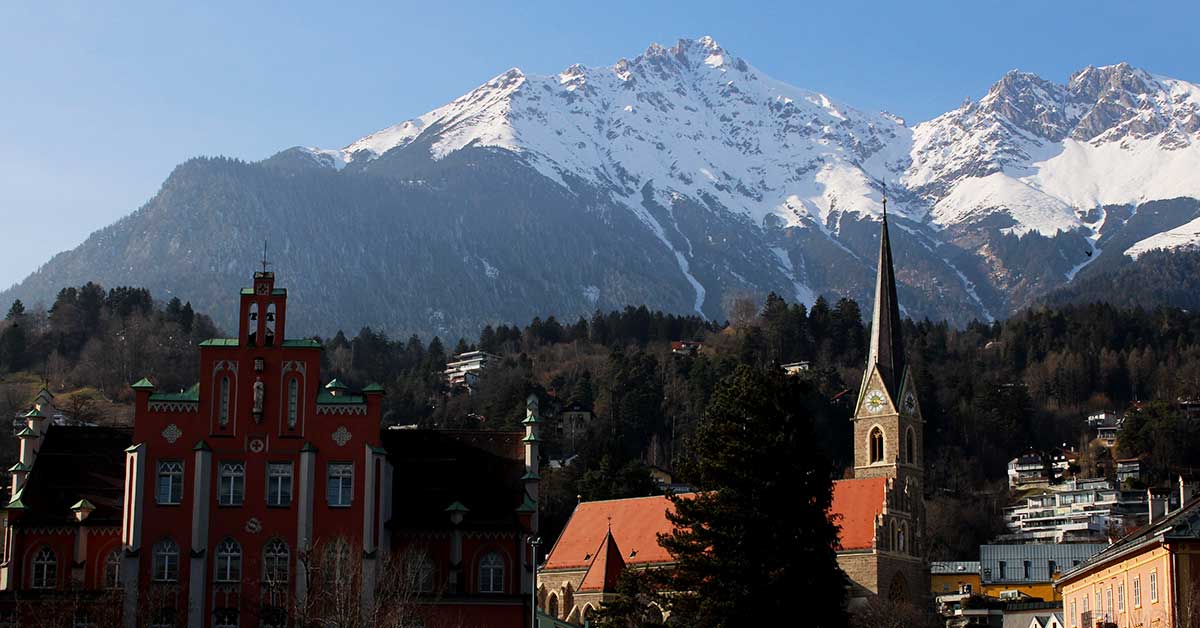
Surrounded by the Tyrolean Alps, Innsbruck is one of the few cities in the world where you can ski in the morning and visit a medieval historic centre in the afternoon, barely leaving the same spot. The view of snow-capped mountains, even from the city centre, is one of its biggest draws.
The "Golden Roof" (Goldenes Dachl), with its 2,657 gilded copper tiles, is the city's most photographed landmark, and the Christmas market set up right beneath it creates one of the prettiest scenes among Austria's markets.
What to visit: The Golden Roof, the Nordkette funicular up to the ski slopes, and the Christmas market in the historic centre.
Where to stay: The historic centre, with easy access to the Nordkette funicular for those wanting to ski.
Best time to visit: December to March, combining Christmas markets with a reliable ski season.
AD
Winter Destinations in Europe
12 – Salzburg
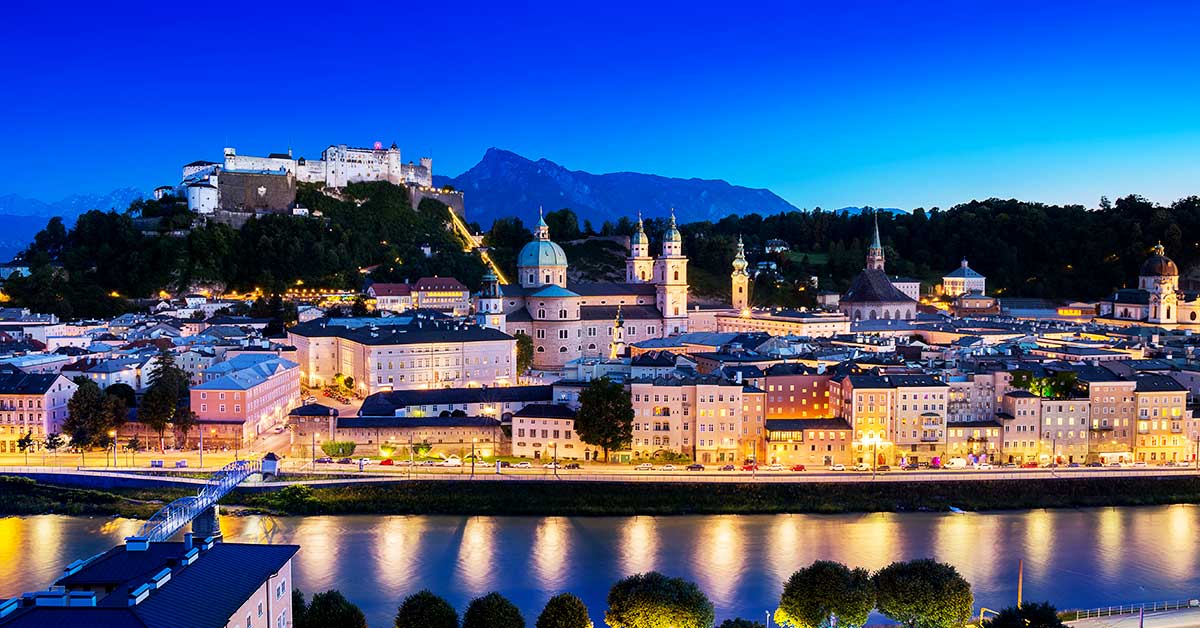
Mozart's birthplace and the setting for "The Sound of Music", Salzburg has a fairy-tale atmosphere even before the snow falls, but takes on a special meaning in winter, when Hohensalzburg Fortress, high on its hilltop, lights up over the snow-covered historic centre below.
The Christmas market on Domplatz, by the Cathedral, is one of the oldest in Austria, and Salzburg's proximity to the Alps makes it an excellent base for combining city days with day-trip escapes to nearby ski slopes.
What to visit: Hohensalzburg Fortress, Mozart's Birthplace, and the Christmas Market on Domplatz.
Where to stay: The historic centre (Altstadt), a UNESCO World Heritage Site, for walkable access to all the main sights.
Best time to visit: Late November to December, for the Christmas market and the city's festive decorations.
AD
Winter Destinations in Europe
13 – Interlaken
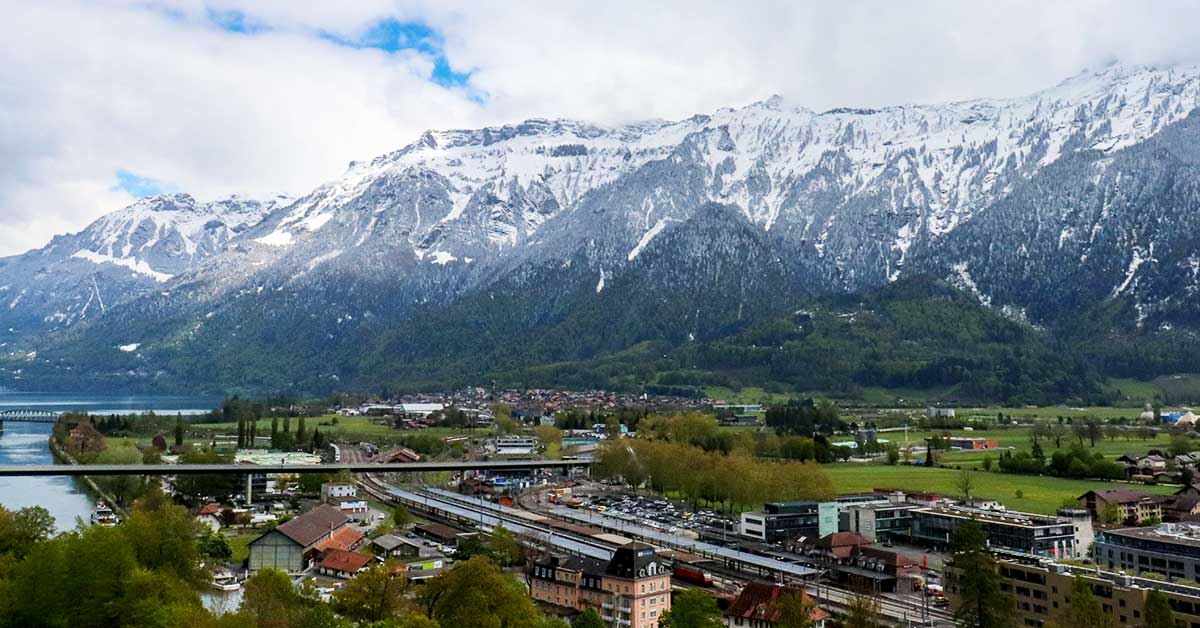
Set between two Alpine lakes, Interlaken is the classic starting point for exploring the Jungfrau massif, served by Europe's highest railway, the Jungfraubahn, which climbs to nearly 3,500 metres between the Eiger, Mönch and Jungfrau peaks.
Unlike Zermatt, Interlaken is more geared towards mass tourism, offering a wide range of winter sports beyond skiing, such as sledding, ice skating and cable car rides with panoramic views over the Bernese Alps.
What to visit: The Jungfraubahn up to the "Top of Europe", Lake Thun and Lake Brienz, and the ski slopes in the surrounding region.
Where to stay: Central Interlaken, with good rail connections across the Jungfrau region.
Best time to visit: December to March, for guaranteed snow at the surrounding ski resorts.
AD
Winter Destinations in Europe
14 – Seville
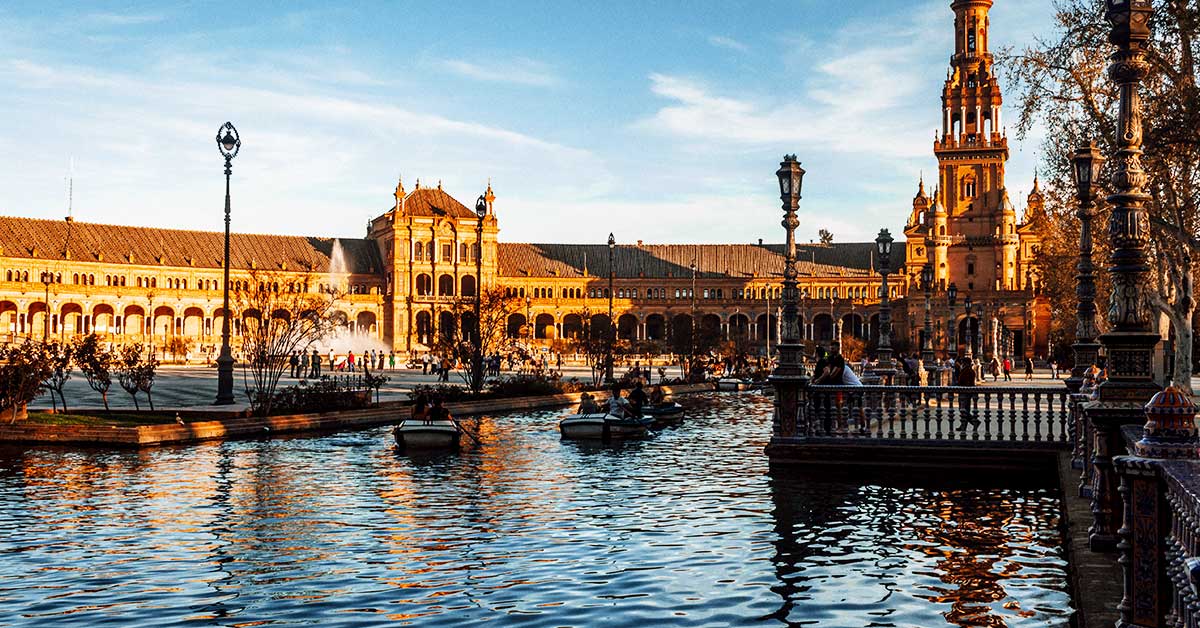
Not every European winter has to be freezing. For anyone seeking the opposite of Nordic or Alpine cold, Seville and the rest of Andalusia stay mild throughout the season, with temperatures rarely dropping much below 10°C even in January.
It's the ideal time to explore the city without the stifling heat of the Andalusian summer, taking a leisurely walk through the Real Alcázar, Seville Cathedral and the Santa Cruz neighbourhood, or simply enjoying tapas on a sunny midday terrace.
What to visit: The Real Alcázar, Seville Cathedral and the Giralda, and the historic Santa Cruz neighbourhood.
Where to stay: The historic centre, near the Cathedral and the Santa Cruz neighbourhood, to explore everything on foot.
Best time to visit: December to February, to explore the city in mild weather and without the summer crowds and heat.
AD
Winter Destinations in Europe
15 – Frequently Asked Questions about Winter Destinations in Europe
What are the best winter destinations in Europe?
It depends on what you're after. For Christmas markets, Prague, Vienna, Strasbourg and Cologne are among the most beautiful on the continent. For snow and skiing, Zermatt and Innsbruck are Alpine benchmarks. For a truly unique experience, Finnish Lapland offers the northern lights and Santa's Village, and Iceland combines volcanic landscapes with hot springs.
Where can you see the northern lights in Europe in winter?
Finnish Lapland, especially around Rovaniemi, and Iceland, near Reykjavik, are among the best places in Europe to see the northern lights. You need a clear sky and distance from city lights, with the months between November and March being the most favourable.
What is the cheapest winter destination in Europe?
Krakow, in Poland, tends to stand out for its more affordable prices, both for accommodation and dining, while still offering a Christmas market and one of Central Europe's most beautiful historic centres. Budapest also offers good value for money, especially outside the New Year's period.
Where can you escape the cold in Europe in winter?
Southern Spain, especially Seville and Andalusia, stays mild throughout the European winter, rarely dropping below 10°C during the day. It's a popular destination for anyone who wants to keep exploring historic towns without facing the harsh cold of the rest of the continent.
AD
Winter Destinations in Europe
Conclusion
From the frozen magic of Finnish Lapland to the centuries-old Christmas markets of Strasbourg and Prague, by way of the Alpine slopes of Zermatt and the unexpected warmth of Budapest's thermal baths or the Andalusian sun in Seville, Europe offers a range of winter experiences that's hard to find concentrated on any other continent.
What makes the European winter truly special is that ability to bring together, just a few hours' flight apart, such distinct landscapes and traditions: guaranteed snow, the northern lights, mulled wine in medieval squares, and escapes from the cold for anyone who prefers sunshine in the middle of December.
Save this guide as a reference for your next winter trip around Europe — and choose the right destination depending on the kind of winter you want to experience this year.
AD