Viana do Castelo: What to Visit, See and Do
The Most Complete Guide to Discovering the Capital of the Alto Minho
Set at the mouth of the Lima River, between sea and mountain, Viana do Castelo is one of the most complete towns in Northern Portugal: the historic capital of gold filigree, home to one of the country's largest religious festivals, and the gateway to some of the best beaches on the Minho coast.
We've brought together the 15 essential points of interest for discovering Viana do Castelo, from the historic centre to Monte de Santa Luzia, from blue-flag beaches to local gastronomy. For each one you'll find what to expect, its history, and practical tips to make the most of your visit.
Whether you have just one day or a full weekend, this guide will help you plan your visit to one of the most beautiful and least crowded towns on the Portuguese coast.
AD
- 1 – Santa Luzia Sanctuary
- 2 – Sé Cathedral (Igreja Matriz)
- 3 – Santiago da Barra Castle
- 4 – Eiffel Bridge
- 5 – Praça da República
- 6 – Costume Museum
- 7 – Gil Eannes Ship-Museum
- 8 – Praça da Liberdade and Cultural Centre
- 9 – Jardim Público and the "A Viana" Statue
- 10 – Riverside Walk and Urban Ecological Park
- 11 – Citânia de Santa Luzia
- 12 – Romaria da Senhora da Agonia
- 13 – Cabedelo Beach
- 14 – Local Gastronomy
- 15 – Frequently Asked Questions
AD
Viana do Castelo: What to Visit, See and Do
1 – Santa Luzia Sanctuary
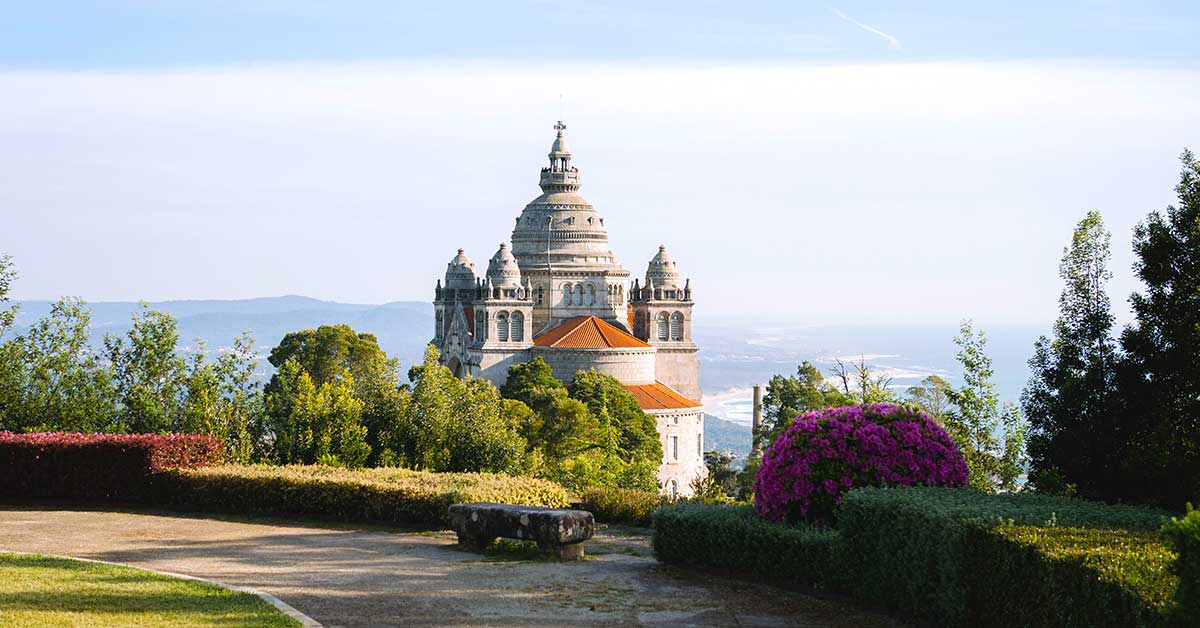
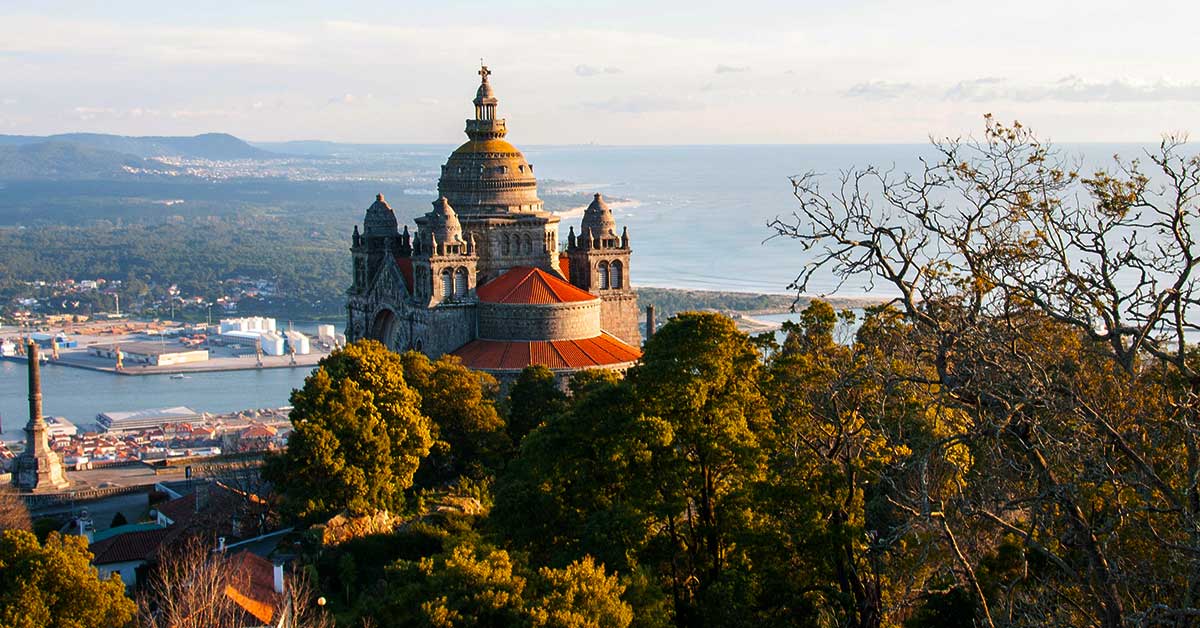
The Santa Luzia Sanctuary is Viana do Castelo's postcard image. Built on top of Monte de Santa Luzia, this early 20th-century Romanesque-Byzantine temple offers one of the most stunning views in Portugal: the town, the Lima River, the Atlantic Ocean and the mountains of the Alto Minho, all in a single frame.
The climb can be made by car, on foot, or on Portugal's only funicular, which covers 650 metres in about seven minutes. Right by the sanctuary you'll also find the Pousada de Viana do Castelo and the archaeological remains of Citânia de Santa Luzia, making the hill one of the most complete spots for a half-day visit.
What to visit: The sanctuary's interior, the panoramic terrace over the town, the historic funicular, and the viewpoint by the Pousada.
Best time to go: Late afternoon, to catch the sunset over the Lima River and the ocean.
Practical tip: The funicular isn't always running; check the schedule before heading up, or have a backup plan by car.
AD
Viana do Castelo: What to Visit, See and Do
2 – Sé Cathedral (Igreja Matriz)
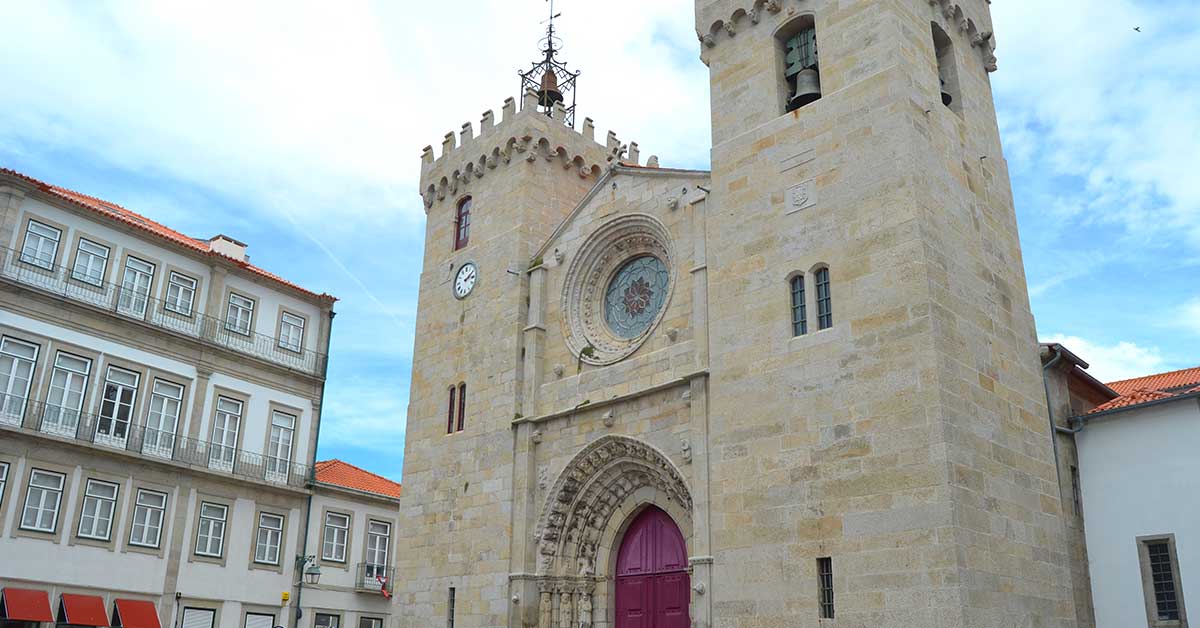
In the heart of the historic centre, the Sé Cathedral of Viana do Castelo, also known as Igreja Matriz, is a 15th-century fortress-church with an appearance more defensive than religious: its two crenellated towers and the Gothic portal, decorated with sculptures of the apostles and scenes from the Passion of Christ, reflect the pirate threats the town once faced.
Interestingly, despite its medieval facade, the building was only elevated to Cathedral status in 1977, by decision of Pope Paul VI, when the Diocese of Viana do Castelo was created. It's also a stop on the Camino de Santiago, where pilgrims can get their credential stamped.
What to visit: The Gothic portal with sculptures of the apostles, the side chapels of São Bernardo and the Blessed Sacrament, and the Baroque-decorated sacristy.
Visit time: About 15 to 20 minutes, free entry.
Practical tip: It sits right by Praça da República, so you can easily combine both visits into the same walk.
AD
Viana do Castelo: What to Visit, See and Do
3 – Santiago da Barra Castle
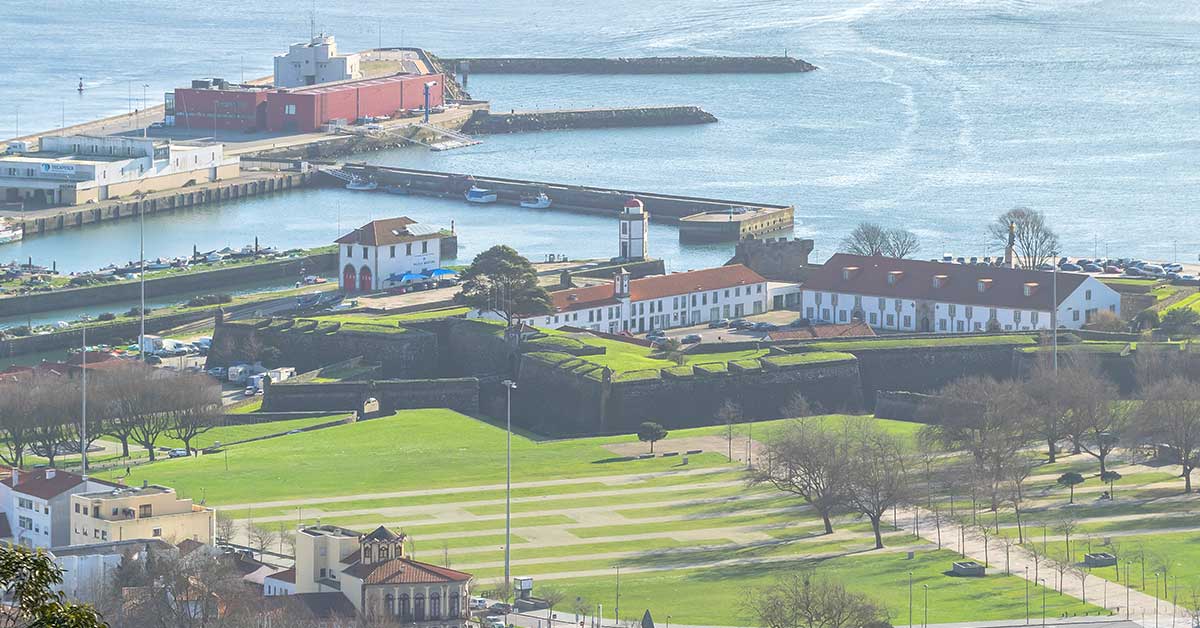
By the mouth of the Lima River, Santiago da Barra Castle is a star-shaped fortress whose first construction dates back to the reign of D. Afonso III, having been reinforced over the centuries to defend the town from pirate attacks and rival fleets. During the reigns of D. João II and D. Manuel I, the medieval castle and the Torre da Roqueta were rebuilt, leaving Manueline touches still visible today on the southwestern bastion.
Today, the castle houses the Viana do Castelo Hotel and Tourism School, but it remains open to visitors, allowing you to walk along the walls, triangular bastions and moat, with views over the Lima River and the Atlantic.
What to visit: The walls and bastions, the Torre da Roqueta, the historic moat, and the statue to the Vianese Woman near the entrance.
Best time to go: Early morning or late afternoon, for photos with fewer people and better light.
Practical tip: It's just a few minutes' walk from the Gil Eannes Ship-Museum, so you can easily combine both visits into the same morning.
AD
Viana do Castelo: What to Visit, See and Do
4 – Eiffel Bridge
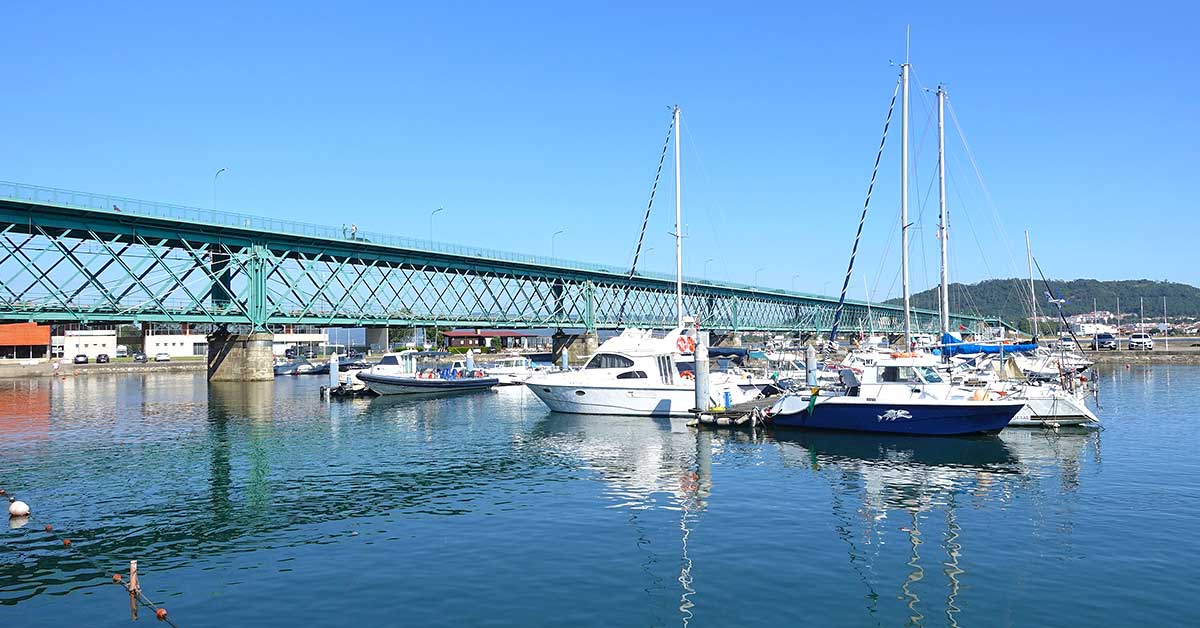
Crossing the Lima River on two levels — rail and road/pedestrian — the Eiffel Bridge is one of Viana do Castelo's most photographed structures. Although the name suggests direct authorship by Gustave Eiffel, the design was actually signed by one of his students, reflecting the same 19th-century metal-engineering style that made other Portuguese bridges from the same era famous.
Crossing on foot is one of the most pleasant ways to connect the historic centre to Cabedelo Beach, with fine views over the river, Santiago da Barra Castle, and Monte de Santa Luzia in the background.
What to do: Walk across the pedestrian deck, photograph the metal structure, and take in the view over the Lima River.
Walking distance: About 15 to 20 minutes between the historic centre and Cabedelo Beach, crossing the bridge.
Practical tip: You can also cross by car or, during the bathing season, by boat from the marina.
AD
Viana do Castelo: What to Visit, See and Do
5 – Praça da República
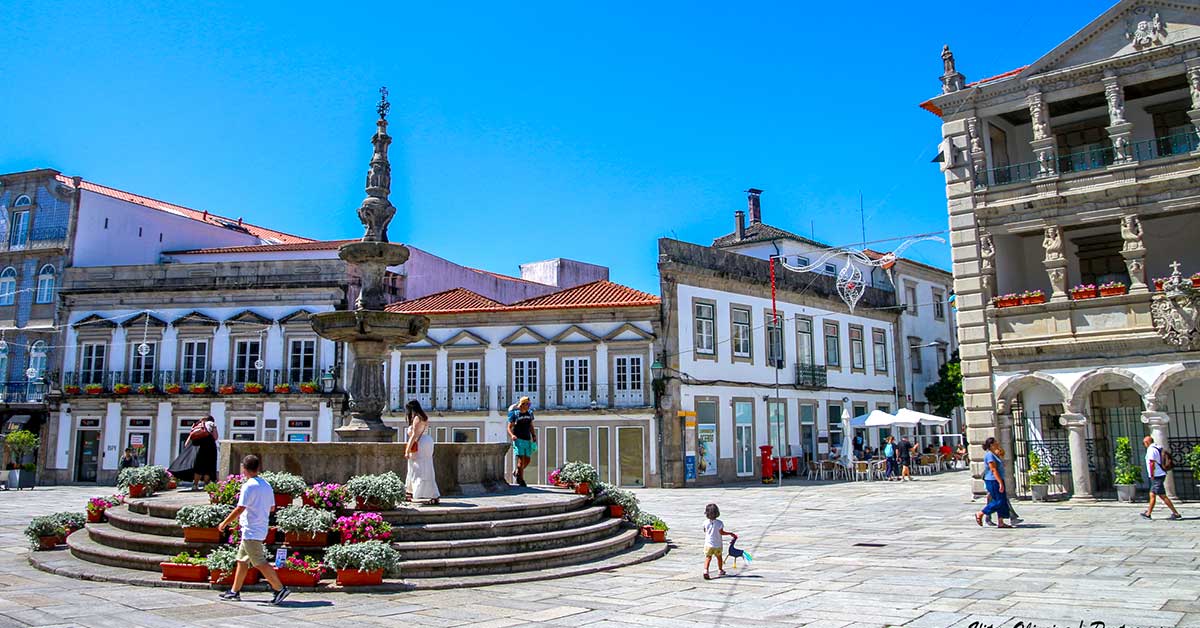
The heart of the historic centre, Praça da República brings together some of Viana do Castelo's most beautiful buildings: the old Town Hall, in Manueline style, the 16th-century Renaissance fountain, and the Casa da Misericórdia, with its balconies supported by caryatids, one of the most original examples of Portuguese civic architecture from the period.
It's also the natural starting point for exploring the surrounding streets, lined with crested manor houses, churches and tiled facades that bear witness to the wealth the town accumulated as an important trading port and codfishing harbour.
What to visit: The Renaissance fountain, the old Town Hall, and the Casa da Misericórdia with its caryatids.
Best time to go: Morning, to explore the surrounding streets in soft light and with fewer people around.
Practical tip: At the Tourist Office by the square, you can pick up a brochure with Manueline-themed walking routes around town.
AD
Viana do Castelo: What to Visit, See and Do
6 – Costume Museum
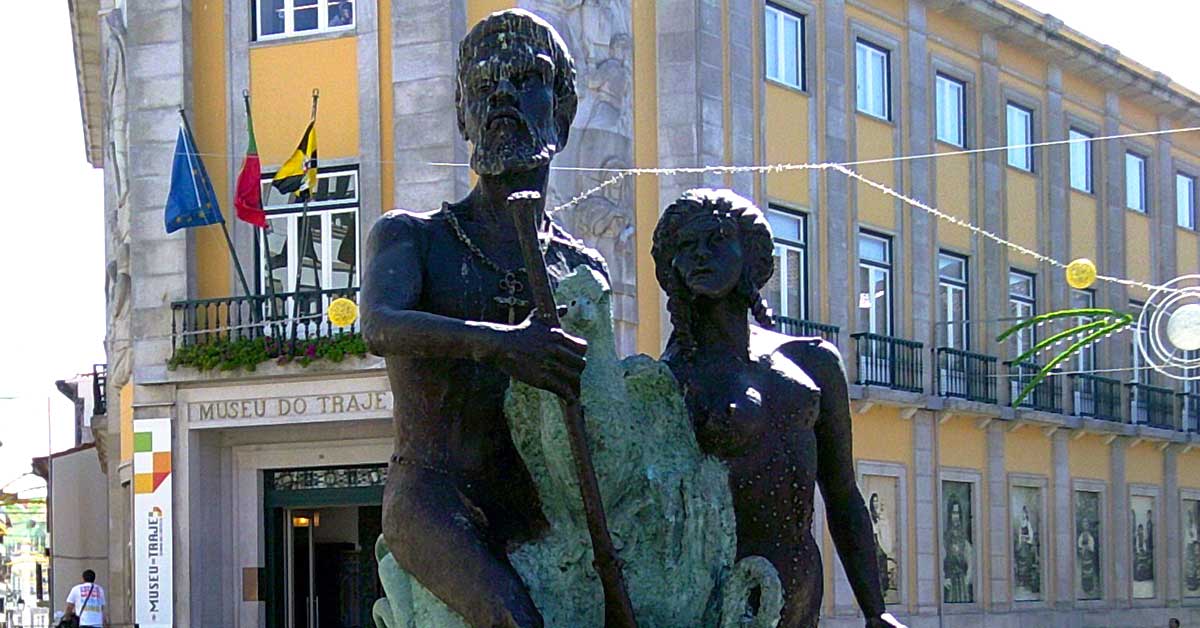
Located near Praça da República, the Costume Museum is the ideal gateway to understanding one of Viana do Castelo's most alive traditions: the region's traditional Minho costumes and the art of gold filigree, both leading stars of the Romaria da Senhora da Agonia.
Through a collection of historic costumes and goldsmith pieces, the museum tells the story of Vianese festivities and the region's cultural identity, making it a perfect complement for anyone visiting the town outside the festival season who still wants to understand its meaning.
What to visit: The collection of traditional costumes (rich farmer's, Sunday and bridal dress) and gold and silver filigree pieces.
Visit time: About 45 minutes to 1 hour.
Practical tip: Visit before the Romaria da Senhora da Agonia, in August, to better understand the meaning of the costumes you'll see parading through the streets.
AD
Viana do Castelo: What to Visit, See and Do
7 – Gil Eannes Ship-Museum
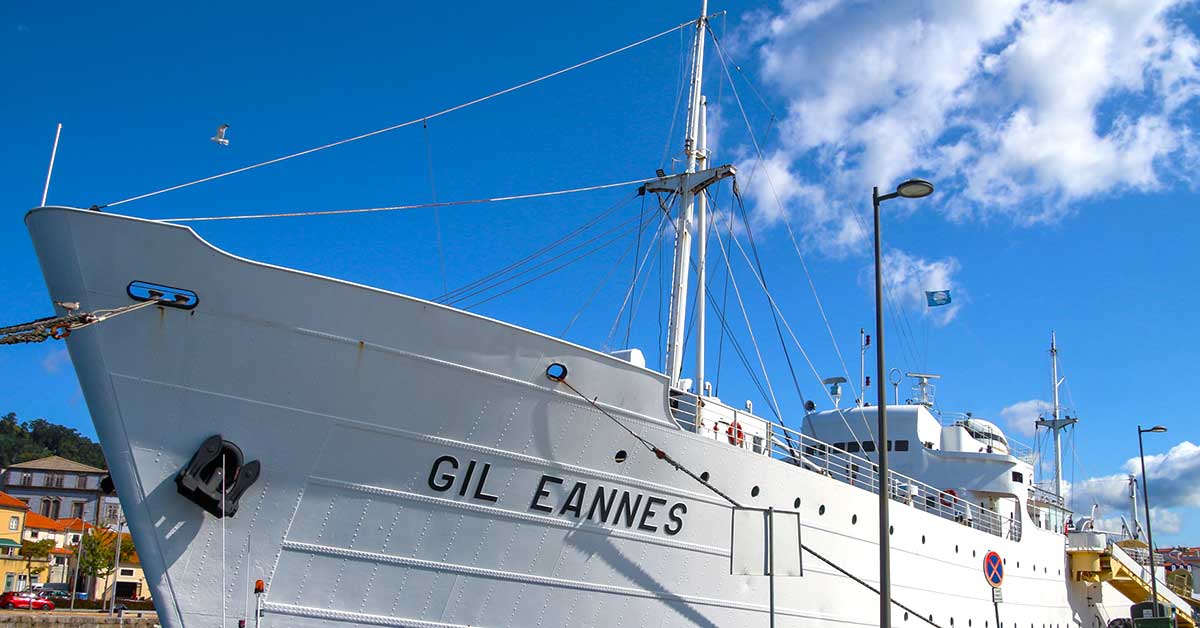
Moored on the bank of the Lima River, the Gil Eannes is a former hospital ship that supported Portugal's codfishing fleet on its long fishing campaigns off Newfoundland and Greenland, when fishermen set off from Viana do Castelo and spent months at sea in the icy North Atlantic.
After being rescued from the scrapyard, the ship was turned into a museum in 1998 and now shows, through its original internal spaces, what life on board was like, from the infirmary to the crew cabins, making it one of the town's most original attractions.
What to visit: The deck, the original infirmary, the crew cabins, and exhibitions on the history of codfishing.
Visit time: About 1 hour.
Practical tip: It's right by the Cultural Centre and Praça da Liberdade, forming a natural route along the riverbank.
AD
Viana do Castelo: What to Visit, See and Do
8 – Praça da Liberdade and Cultural Centre
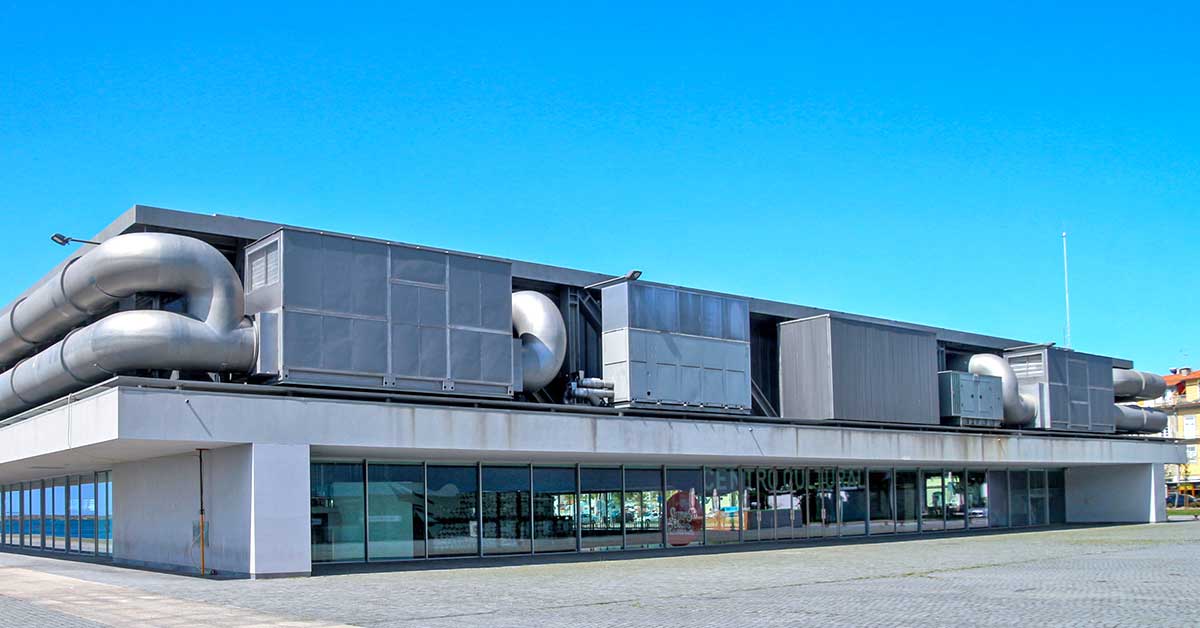
Named after architect Fernando Távora, Praça da Liberdade is a contemporary architectural ensemble that deliberately contrasts with the surrounding historic centre. Here you'll find the Municipal Library, its facade open towards the Lima River, and the Viana do Castelo Cultural Centre, a venue with capacity for around 2,000 people dedicated to performances, concerts and festivals.
This is also where the 25 April monument stands, functioning as a kind of symbolic gateway to the Lima River, and one of the best spots in town to watch the sunset by the water.
What to visit: The Municipal Library, the Cultural Centre, the 25 April monument, and the view over the Lima River at dusk.
Best time to go: Late afternoon, for the sunset over the river.
Practical tip: It's worth checking the Cultural Centre's programme before your trip, in case it coincides with a concert or festival.
AD
Viana do Castelo: What to Visit, See and Do
9 – Jardim Público and the "A Viana" Statue
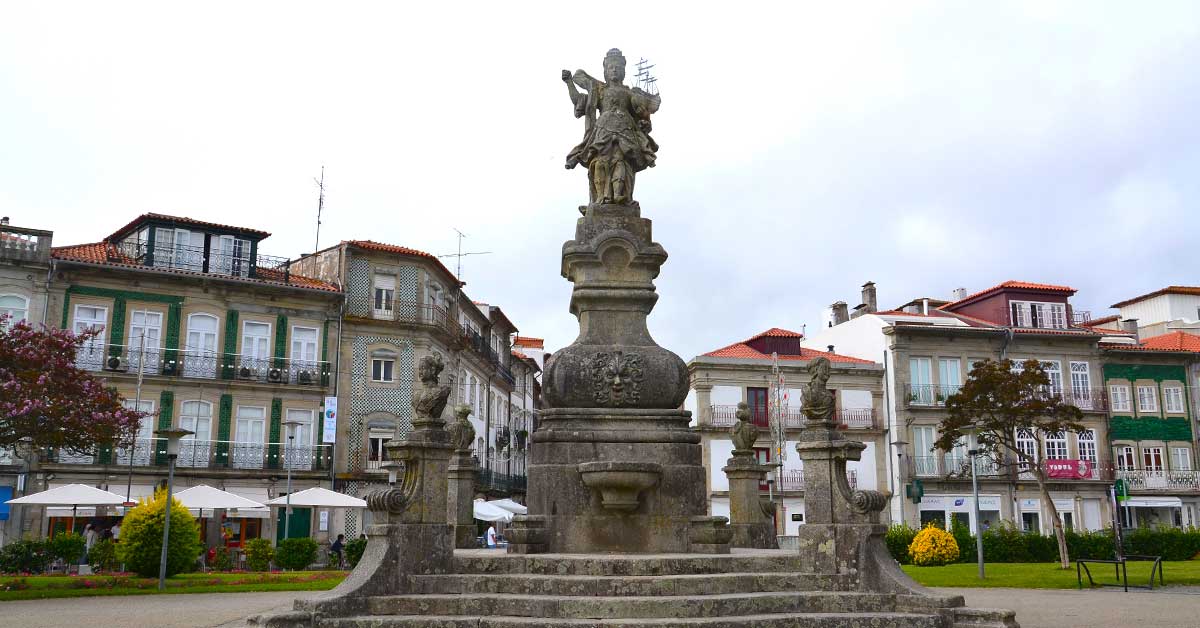
Jardim Público is one of the most pleasant green spaces in central Viana do Castelo, ideal for a break between visits to the historic sights. Right at the entrance stands the "A Viana" statue, an 18th-century female figure holding a Portuguese caravel, a symbol of the town's centuries-old link to the sea and to the Age of Discovery.
During the Romaria da Senhora da Agonia, this garden hosts the traditional Craft Fair, with dozens of stalls selling typical Alto Minho products and live demonstrations of hand embroidery, basket weaving and gold filigree work.
What to visit: The "A Viana" statue, the landscaped flowerbeds, and shaded benches for a break during your walk.
Best time to go: Early August, if it coincides with the Romaria's Craft Fair.
Practical tip: It's just steps away from Praça da República, so it's easy to fit into the same historic-centre walk.
AD
Viana do Castelo: What to Visit, See and Do
10 – Riverside Walk and Urban Ecological Park
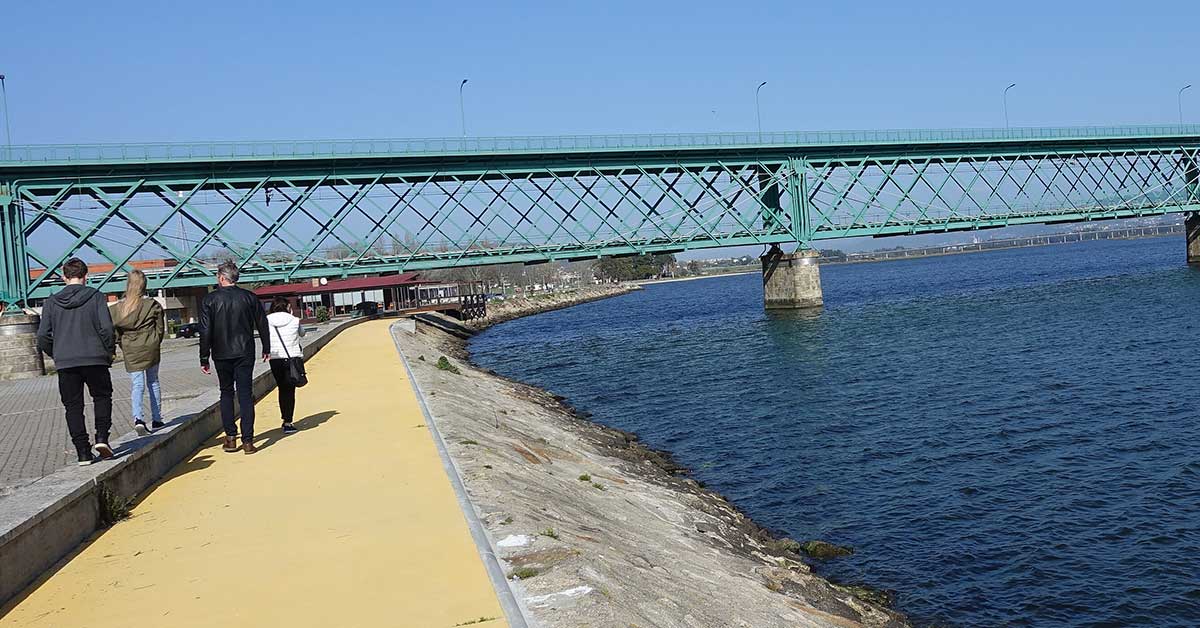
One of the most enjoyable walks in Viana do Castelo runs right along the water: starting at the town Marina, the riverside route follows the Lima River, passes under the Eiffel Bridge, and continues on to the Urban Ecological Park, a quieter green area less frequented by tourists.
It's an especially pleasant route on foot or by bike, with constant views over the river, Monte de Santa Luzia in the background, and boats moored at the marina, and it's also a good way to make your way calmly towards the Eiffel Bridge and Cabedelo Beach.
What to do: Walk or cycle along the river, watch the marina, and explore the Urban Ecological Park.
Distance: About 3 to 4 km in total, from the marina to the Urban Ecological Park.
Practical tip: Bike rental is available in town, a good option for covering more ground without too much effort.
AD
Viana do Castelo: What to Visit, See and Do
11 – Citânia de Santa Luzia
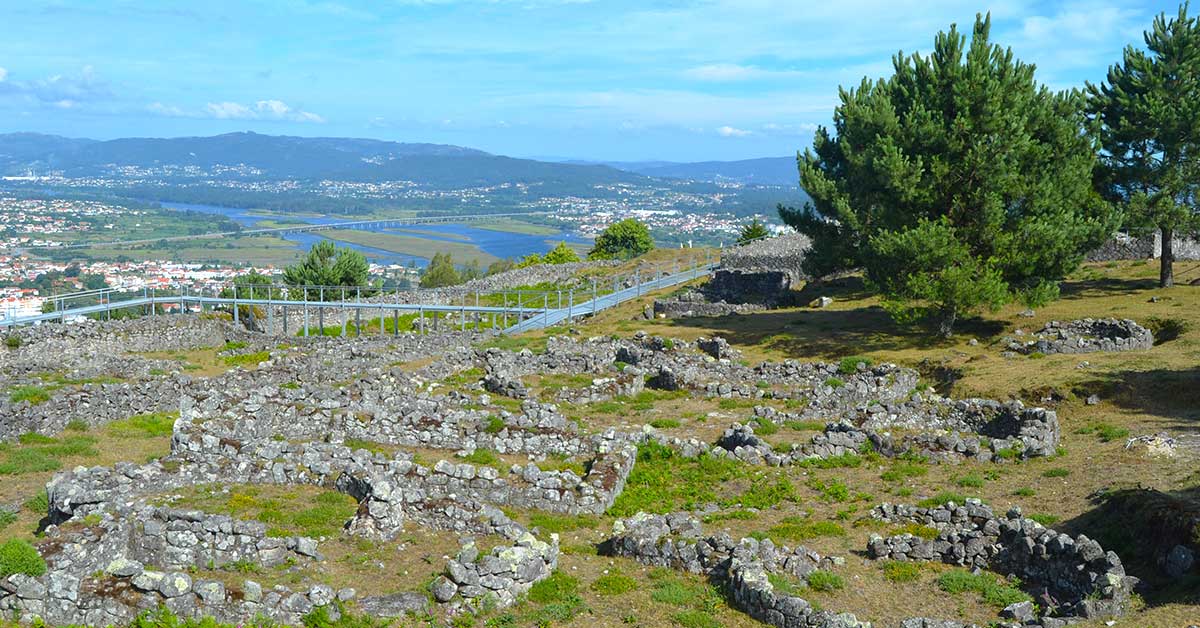
Few visitors know that, long before the sanctuary, Monte de Santa Luzia was already inhabited: the remains of Citânia de Santa Luzia, a fortified Iron Age settlement, reveal human occupation dating back centuries before the town itself was founded, confirming just how long people have lived in this part of the Lima estuary.
The ruins, located near the sanctuary, include the remains of circular stone dwellings typical of the hillfort culture found across the Northwest Iberian Peninsula, offering an interesting archaeological counterpoint to the religious grandeur of the sanctuary next door.
What to visit: The remains of circular hillfort dwellings and the defensive structures of the fortified settlement.
Visit time: About 30 to 45 minutes, depending on your interest in archaeology.
Practical tip: Combine it with your visit to the Santa Luzia Sanctuary, since both share the same access route up the hill.
AD
Viana do Castelo: What to Visit, See and Do
12 – Romaria da Senhora da Agonia
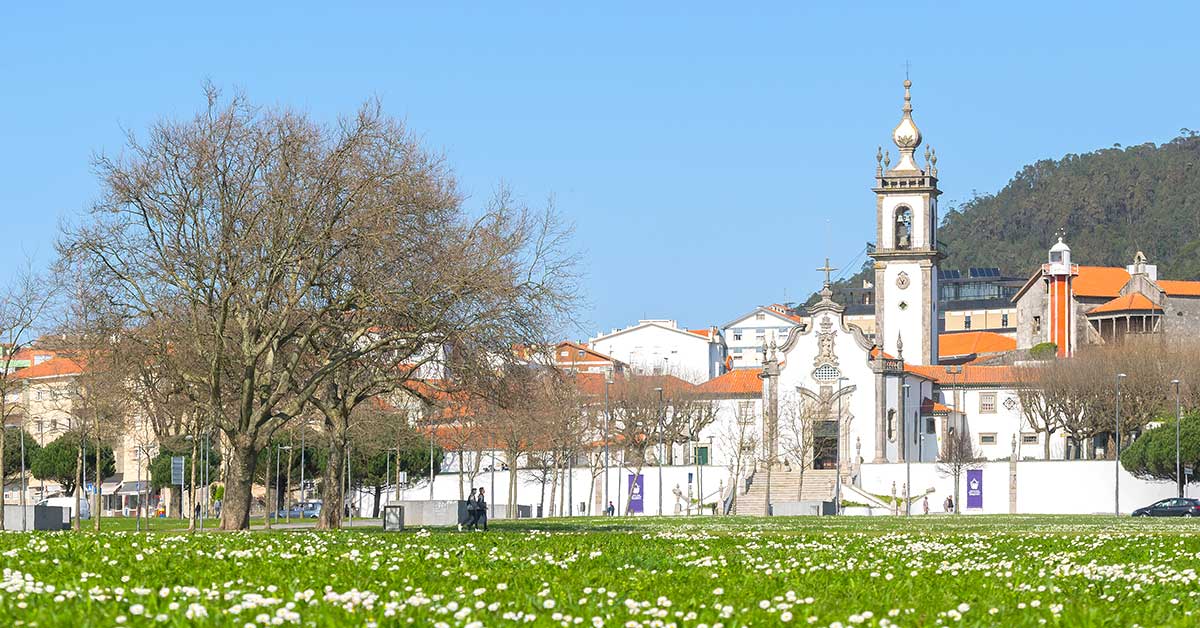
Regarded as the "Queen of Portugal's Religious Festivals", the Romaria da Senhora da Agonia turns Viana do Castelo, every year in August, into one of the country's biggest popular spectacles. Devotion to the saint dates back to the 18th century, tied to the patroness of fishermen, but it was over the following centuries that the festival gained the ethnographic and cultural scale that makes it unique today.
The programme includes the Desfile da Mordomia procession, with hundreds of women showing off embroidered traditional costumes and gold filigree pieces passed down through generations, the Cortejo Histórico-Etnográfico parade through streets decorated with carpets of flowers and salt, and the iconic Procissão ao Mar, which brings together dozens of boats on the Lima River. In 2026, the main celebrations run from 15 to 23 August.
What to see: The Desfile da Mordomia, the Cortejo Etnográfico parade, the Procissão ao Mar, and the Craft Fair in Jardim Público.
When it happens: Every year in August, usually during the week around the 20th.
Practical tip: Book accommodation well in advance, as the festival draws thousands of visitors and the town fills up quickly around this time of year.
AD
Viana do Castelo: What to Visit, See and Do
13 – Cabedelo Beach
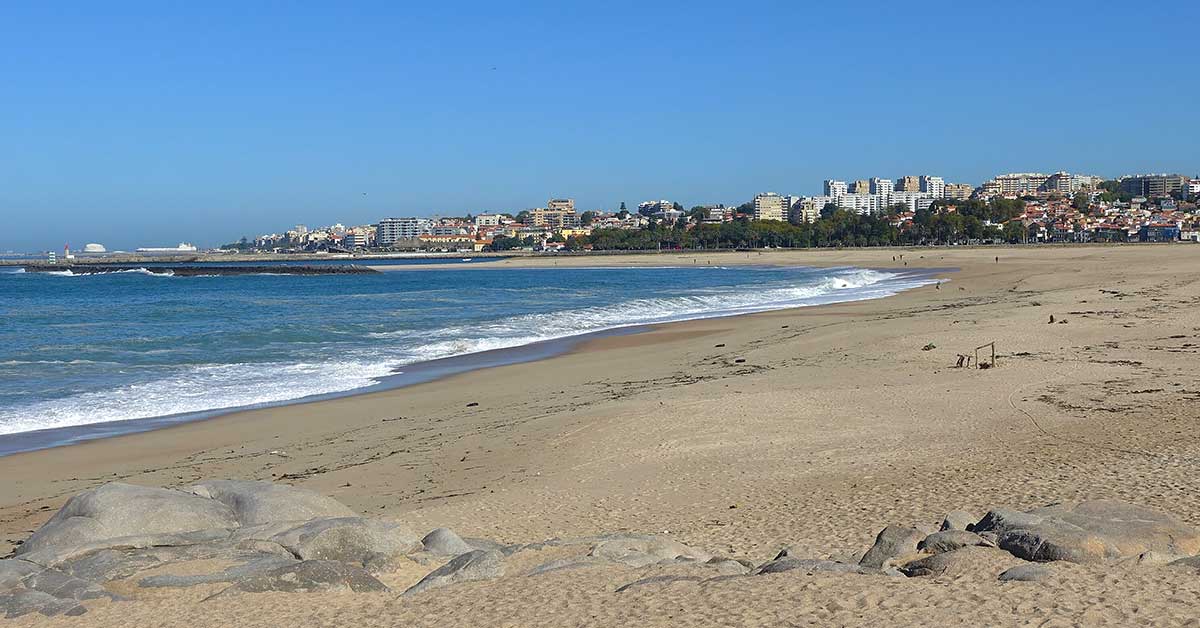
On the other side of the Lima River, Cabedelo Beach is Viana do Castelo's most popular beach, holding blue-flag status since 1998. The town's rocky shoreline makes most local beaches poorly suited to swimming, but Cabedelo is an exception, with more sheltered natural sea pools for those wanting to swim in calmer water.
The beach has lifeguards during the bathing season, accessible changing rooms, terraces and restaurants, plus wide grassy areas by the sand. At the northern end you'll also find the 17th-century Areosa Fort, a good excuse to extend your walk.
What to do: Swim in the natural pools, walk along the sand, have a meal at one of the beachfront restaurants, and visit Areosa Fort.
How to get there: On foot via the Eiffel Bridge from the centre, by car across the bridge, or by boat from the marina during peak season.
Practical tip: Besides the bridge, you can also arrive by river ferry, a more scenic option if you're not in a hurry.
AD
Viana do Castelo: What to Visit, See and Do
14 – Local Gastronomy
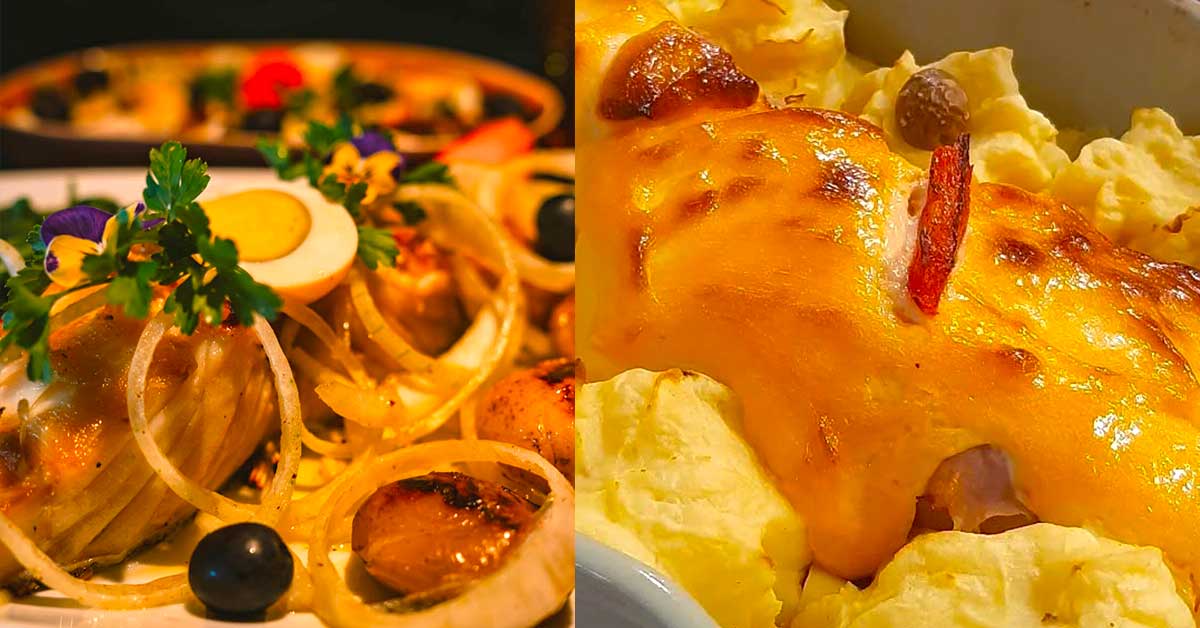
Viana do Castelo's connection to the sea shows directly in its gastronomy, above all through codfish, the "faithful friend" local fishermen brought back from Newfoundland and Greenland after fishing campaigns that could last six months. Bacalhau à moda de Viana (Viana-style codfish), rojões à moda do Minho (Minho-style fried pork) and arroz de sarrabulho (blood rice) are dishes that reflect the region's strong culinary tradition.
No meal in Viana do Castelo is complete without a glass of the region's vinho verde, and for dessert, the convent sweets and typical Alto Minho preserves round off any traditional meal nicely.
What to try: Bacalhau à moda de Viana, rojões à moda do Minho, arroz de sarrabulho, and regional vinho verde.
Where to eat: Traditional restaurants in the historic centre and around Praça da Erva, where much of the town's dining scene is concentrated.
Practical tip: During the Romaria da Senhora da Agonia, the Craft Fair in Jardim Público also features sweets and typical regional food products.
AD
Viana do Castelo: What to Visit, See and Do
15 – Frequently Asked Questions about Viana do Castelo
What should you not miss in Viana do Castelo?
The Santa Luzia Sanctuary, with its funicular ride and views over the town and the Lima River, is the most iconic spot. It's also worth visiting the historic centre, with Praça da República and the Sé Cathedral, Santiago da Barra Castle by the river, and the Eiffel Bridge, which crosses the Lima to Cabedelo Beach.
How many days do you need to visit Viana do Castelo?
One day is enough to see the main sights in the historic centre and the Santa Luzia Sanctuary. With two days, you can explore at a more relaxed pace, fit in an afternoon at Cabedelo Beach, and take your time enjoying the local food, without feeling like you're racing against the clock.
When is the Romaria da Senhora da Agonia in Viana do Castelo?
The Romaria da Senhora da Agonia takes place every year in August, usually during the week around the 20th. In 2026, the main celebrations run from 15 to 23 August, with the highlight being the Desfile da Mordomia procession and the Cortejo Etnográfico parade.
Is it worth going to the beach in Viana do Castelo?
Yes. Cabedelo Beach, with its blue flag, is the most popular, with a good choice of restaurants and natural sea pools for those wanting calmer waters. It sits on the other side of the Lima River, reachable via the Eiffel Bridge, by car, or by boat from the town centre.
AD
Viana do Castelo: What to Visit, See and Do
Conclusion
Between the sea, the river and the mountain, Viana do Castelo brings together, in a single town, practically everything that makes the Alto Minho special: first-rate historic heritage, a cultural tradition still very much alive in the Romaria da Senhora da Agonia, gastronomy rooted in the sea, and beaches that rival anything else on the Portuguese coast, without the crowds of better-known destinations.
From the Santa Luzia Sanctuary to Cabedelo Beach, every point in this guide reveals a different side of the town — the religious, the historic, the maritime and the festive — which together explain why Viana do Castelo remains, for anyone who discovers it, one of Portugal's most complete and least obvious towns.
Save this guide as a reference for your next trip to the Alto Minho, and consider combining Viana do Castelo with other destinations in the region, such as Gerês or the Serra d'Arga, for an even more complete getaway.
AD